
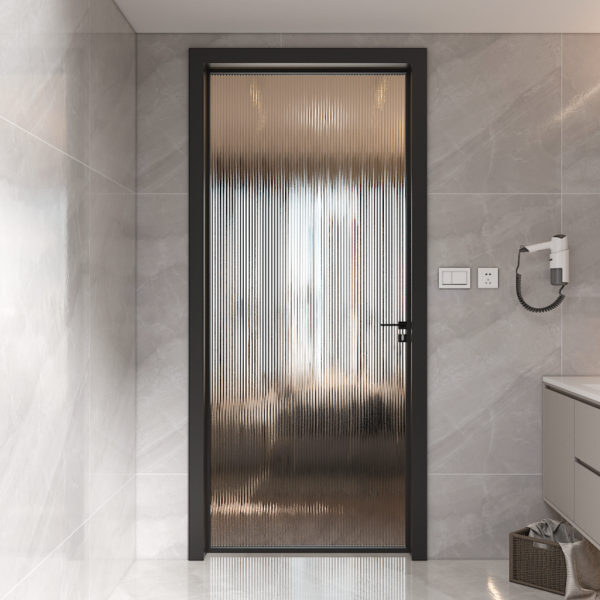
Why comparing aluminium doors and windows companies matters today
Choosing the right aluminium doors and windows companies isn’t just about price or looks anymore — it’s about performance, lifespan, and how a product behaves in real climates like Singapore’s humidity or Chicago’s freeze-thaw cycles. That’s why you should start conversations with an experienced aluminum door supplier early: they’ll explain system choices, frame depth, and glazing options before you lock into design decisions. Good suppliers also help set realistic expectations for lead times and site mock-ups, which saves money and headaches during installation.
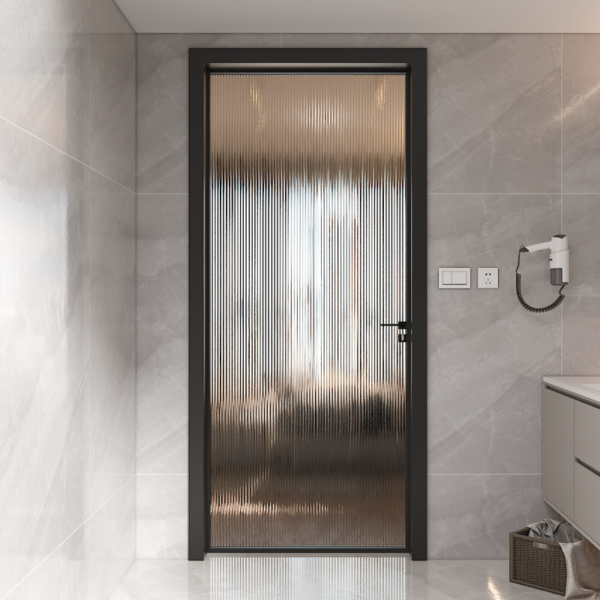
Which company types you’ll meet and what they actually sell
There are four common players: system houses (they develop aluminium profiles and systems), fabricators (cut and assemble frames), installers (onsite fitters), and full-service OEM manufacturers (design, extrude, finish, and install). System houses focus on curtain wall and storefront systems; fabricators often supply casement and sliding units. Know who’s handling thermal break design versus who’s only doing powder coating — responsibilities shift between these groups and that matters for warranties and quality control.
Premium versus budget: concrete differences on the ground
Premium suppliers invest in thicker wall profiles, anodized finishes, and tighter tolerances on frame joints. Budget options might look similar in photos but skimp on double-seal gaskets or use lower-spec hardware, so you get drafts or squeaks a year in. Field experience shows that a well-specified thermal break plus proper glazing can cut heat transfer significantly and reduce condensation complaints. But budgets exist — if you choose a more economical route, plan for earlier maintenance and expect shorter lifecycle warranties. Also remember to ask about lead times and fabrication capacity — long delays often indicate shop overload, not quality control.
Common specification mistakes teams keep repeating
Architects and owners often under-specify or over-assume: treating a storefront as if it were a pressure-tested curtain wall, or specifying heat performance without matching the right glazing. Teams forget to resolve interface details between frames and cladding, which later becomes a flashing and sealant problem — costly to fix. Another frequent misstep is skipping a full-scale mock-up; it’s slower and a bit more cash up front, but a mock-up verifies sealing, hardware function, and sightlines before mass production. Small aside — hardware compatibility is rarely sexy, but mismatches cause the majority of on-site delays.
How to evaluate aluminium door manufacturers and pick a true partner
Look past glossy catalogs. Prioritize these criteria: testing evidence (wind, air, water), documented factory process (anodizing, powder coating controls), and installed references in climates like yours. Ask for a sample unit with the same finishes and glazing stack you plan to use, and verify U-values and acoustic ratings against your project spec. If a supplier claims fast turnarounds, check recent delivery records and shop capacity to avoid surprises.
Three golden rules when choosing a supplier
1. Performance comes first: demand verified test results for air infiltration, water tightness, and wind load for the specified profile and glazing combination. Documentation beats marketing every time.
2. Confirm full-scope responsibility: make sure someone — a fabricator or an aluminum door manufacturer — accepts end-to-end accountability for fit, finish, and warranty so installation issues don’t bounce between parties.
3. Insist on a mock-up and maintenance plan: a physical prototype prevents assumptions; a clear maintenance schedule extends service life and protects asset value.

Comparing aluminium doors and windows companies becomes a sensible, measurable task when you evaluate technical proofs, production transparency, and on-site accountability. Projects that balance these three reduce callbacks and improve occupant comfort — and that’s the practical win Zekin’s systems aim for. Zekin. —