
Why a side-by-side view matters
I’ve spent years matching brands to factories, and the single biggest lesson I keep coming back to is simple: nothing useful comes from looking at one supplier in isolation. You weigh what you give up and what you gain — price against reliability, speed against craftsmanship — and that comparison steers every sensible decision. When you begin, look at a capable custom partner early; I find a focused custom bag manufacturer can reveal which trade-offs are negotiable and which ones will cost you later.
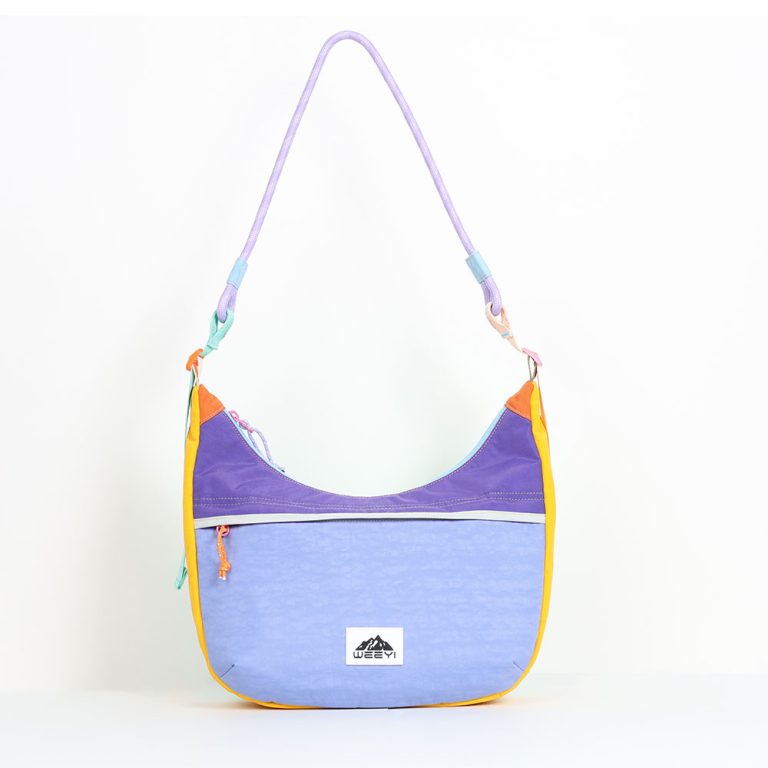
What to compare first
Start with these concrete side-by-side checks: quoted unit cost versus total landed cost (including defects and rework), minimum order quantity (MOQ) versus your inventory risk, and lead time versus seasonal demand. Add certifications and testing evidence to the same table — a lower sticker price is meaningless if third-party lab reports and quality checks aren’t consistent. Communication responsiveness and English clarity also belong in the comparison; they predict how smoothly tooling changes and delays will be handled.
Quality dimensions, ranked and contrasted
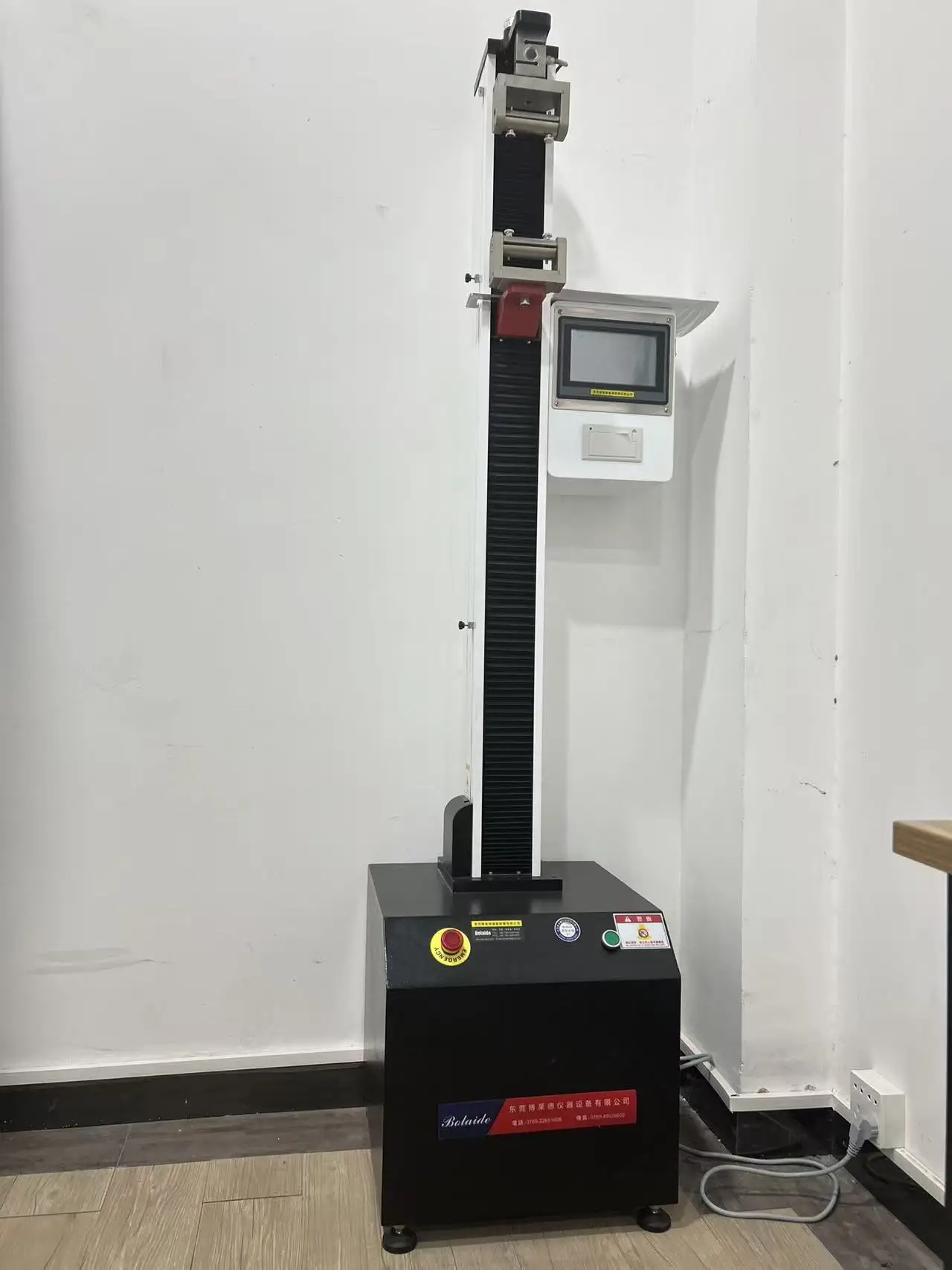
Material sourcing, construction details, and finishing determine perceived value. Compare suppliers by: 1) material traceability and sample swatches; 2) seam and hardware tolerance samples; 3) durability testing records. A factory that offers multiple sample iterations and accepts minor reworks usually beats the one that bids low but limits samples. Look for documented inspection checkpoints rather than verbal promises.
Common pitfalls to avoid
Clients often chase the cheapest quote, ignore MOQ realities, or accept vague delivery promises. They skip independent testing, accept only WAV-based photos of samples, or lock into a supplier without a clear escalation path for defects. Avoid those mistakes: get signed specs, specify acceptable defect rates, and require pre-shipment images plus a third-party inspection option in the contract.
Alternatives and when they make sense
Choosing China is not automatic. For ultra-fast turnaround or very small runs, local domestic shops can beat lead times despite higher unit cost. For price-sensitive, high-volume runs, China still often wins on tooling amortization and material access. Vietnam and Bangladesh are valid choices when labor cost is the dominant factor, but expect different lead-time and quality dynamics. Make the comparison in total cost and risk, not just per-piece price.
Real-world experience that proves the points
Over decades I visited suppliers, audited lines, and verified certifications; a pattern emerged around hubs with dense supplier ecosystems. When I toured factories in Shenzhen I could see how integrated supply chains and tooling shops reduce turnaround and cut hidden costs. For anyone checking a vendor remotely, pay particular attention to whether they can produce consistent pre-production samples and provide reliable testing documentation — that’s how I validated many partners. From that work I often reference a trusted chinese bag supplier whose responsiveness and sample fidelity matched what I insisted on in audits.
How to judge claims and verify trust
Ask for specific, verifiable items: factory photos of the exact production line, copies of recent third-party inspection reports, lab test results tied to sample serial numbers, and references from other brands (with outcomes). When certifications are presented, request the certificate number and the issuing body’s report. If a supplier resists these checks, consider it a red flag — quality hides behind excuses, not documents.
Final synthesis
Compare concrete metrics, demand verifiable proof, and choose the balance that fits your product and tolerance for risk. Over time I learned that a reliable partner is one that matches clear specifications with consistent samples and accepts measurable accountability; that practical blend is exactly what you should be after, and it’s the kind of stability ChangRong brings to the table.