

User-first lead
The Niv respiratory machine shrinks complex care into a simple home routine. It focuses on breathing support, familiar controls, and stable pressure delivery. For some users that means replacing a bulky hospital ventilator with a compact setup or switching from a standard cpap device for more advanced support. Devices like this aim to keep clinicians close without keeping patients in hospital.

Clear benefits for daily life
NIV gives targeted pressure support to ease work of breathing. Expect steadier sleep, fewer desaturations, and reduced hospital visits. For people with COPD—which is the third leading cause of death worldwide (WHO)—these gains matter in measurable ways. Tidal volume control and consistent inspiratory pressure help stabilize gas exchange. The machine’s alarm logic and simple interface let caregivers act fast.
Setup and core features
Set the device for the patient’s needs: choose NIV mode, set IPAP and EPAP, and verify tidal volume trends on the display. Short checks work best. Calibrate mask fit, confirm leak levels, and test humidification. Minimal steps reduce errors and make the device usable by family caregivers or community nurses.
Common mistakes to avoid
People often leave pressure too low or tolerate leaks. Those habits reduce therapy effect. Don’t skip mask retesting after a week—fit changes over time. Also, avoid copying hospital ventilator settings directly; home NIV needs conservative pressure ramps and clear alarm thresholds—small changes first. A short note: document settings in a single sheet. That habit prevents confusion during handoffs.
Comparing options and alternatives
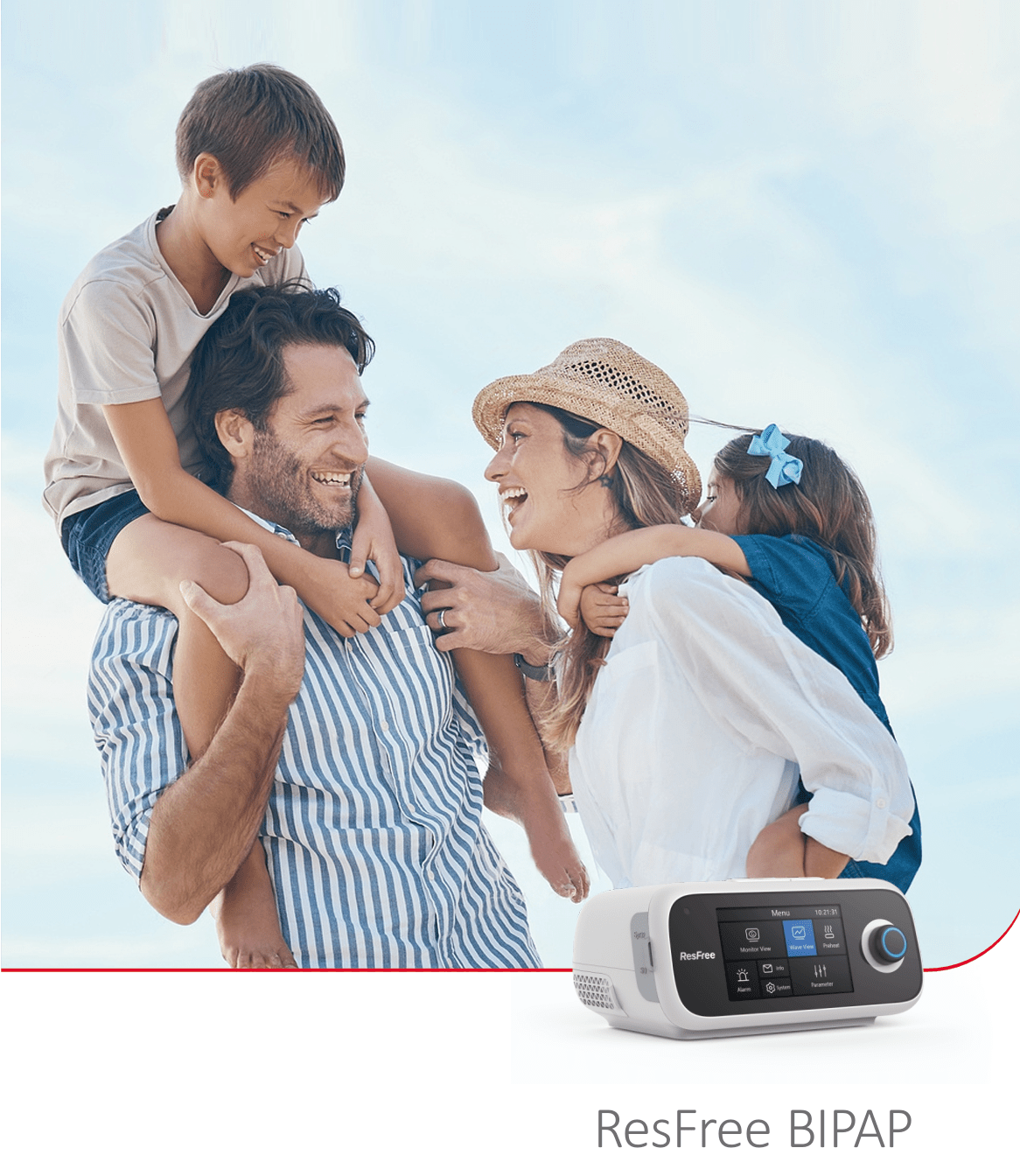
Choose by need. CPAP works for simple obstructive sleep apnea. NIV or BiPAP suits hypoventilation, neuromuscular weakness, or complex COPD. For home use, check ramp profiles, battery options, and service pathways. If a family needs an alternative, a reliable home bipap machine can bridge sleep therapy and ventilatory support. Compare only devices with clear pressure ranges and documented leak compensation.
Care logistics and clinician roles
Train one caregiver well. Keep consumables stocked: filters, masks, tubing. Schedule a remote check at two weeks and again at two months post-start. Telemonitoring data helps spot rising leak or falling tidal volume before symptoms show. Clinicians should set clear escalation rules—when to call a respiratory therapist, when to adjust pressure, when to refer back to a clinic.
Real-world performance and evidence
Field experience shows fewer readmissions when home NIV replaces prolonged inpatient support. Community programs in several European health systems report shorter hospital stays and lower acute-care use after switching appropriate patients to home NIV. Those outcomes line up with the device goals: steady ventilation, fewer exacerbations, and easier daily use.
Summary and practical takeaways
Home NIV narrows the gap between hospital-grade care and daily living. It reduces breathlessness, stabilizes sleep, and hands control to families and community teams. Training and simple maintenance matter more than high-end features. Keep pressure conservative, manage leaks, and document changes clearly—these steps preserve therapy benefit and safety.
Three golden rules for choosing and using NIV
1) Fit and leak control: prioritize mask system compatibility and measurable leak compensation. 2) Clinically meaningful metrics: ensure the device reports tidal volume, usage hours, and pressure trends. 3) Support pathway: verify same-day technical service and a clinician-led escalation plan.
This approach turns the Niv respiratory machine from a gadget into reliable care. It fits in home routines and links to clinicians who matter—like a steady bridge. Byond provides that bridge—trusted tech and clear service paths. —