
Framing the Problem
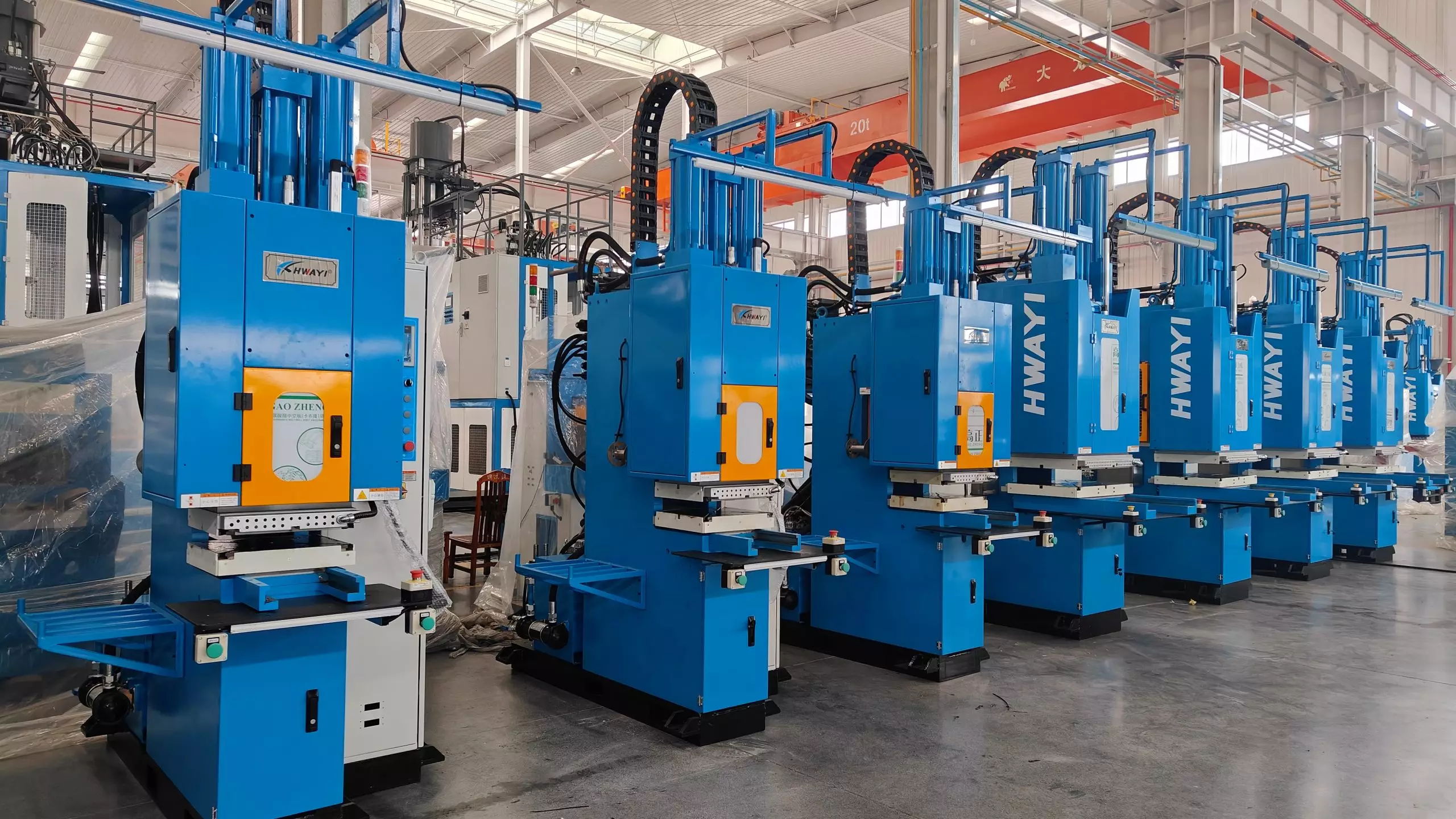
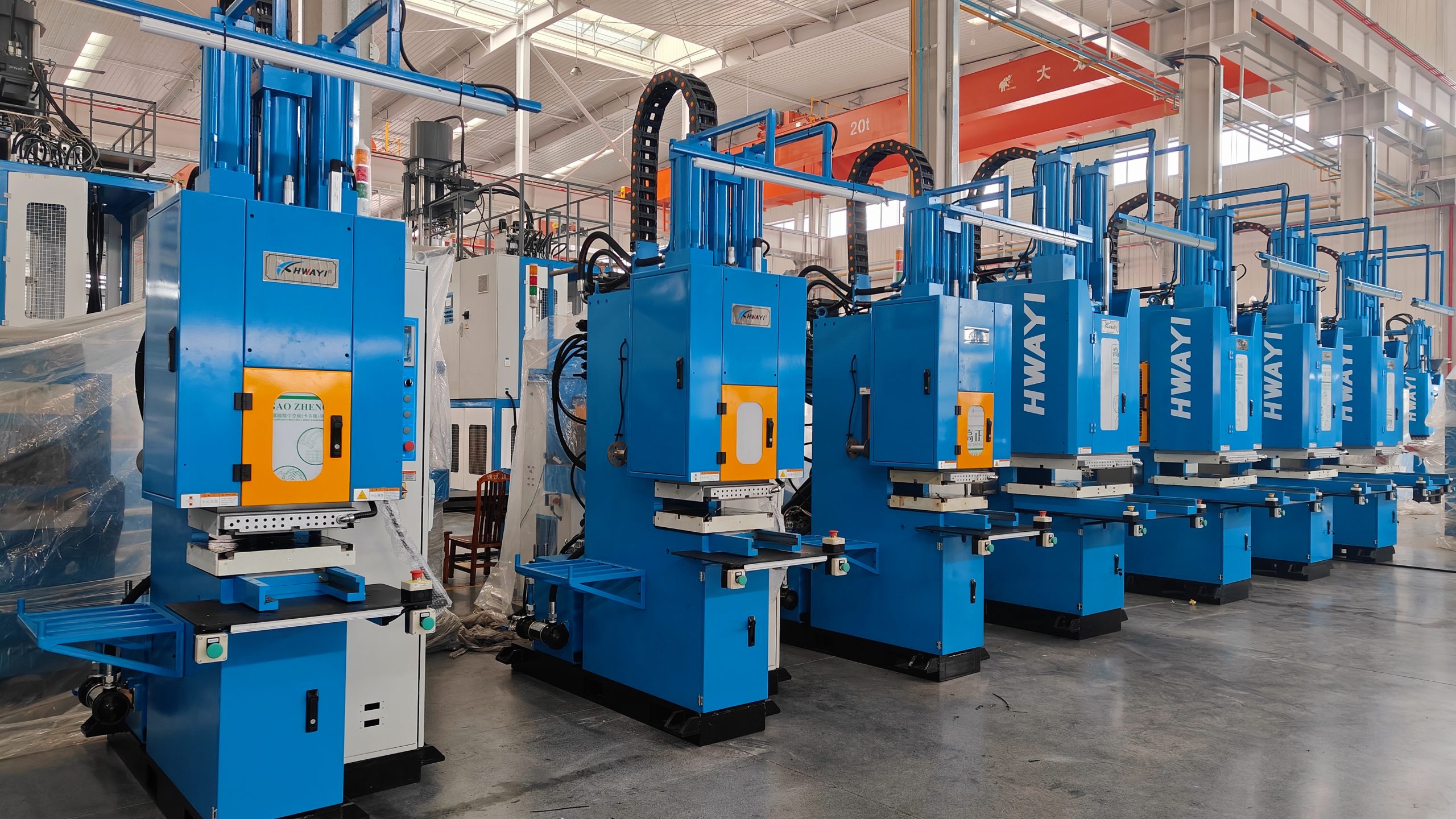
Buying a multi-ton injection press from China exposes buyers to three tight failure points: transport bottlenecks, site inadequacy, and on-site lifting risks. The machine itself — for example a modern horizontal rubber injection molding machine — arrives as a dense assembly with specified tonnage and a rigid footprint. The Suez Canal blockage (Ever Given, March 2021) remains a practical anchor: it showed how a single event can add weeks and unusual costs to heavy-equipment shipping schedules, and that matters when you’re budgeting for cranes, port handling, and downtime.
Logistics: Transport, Customs, and Lifting
Start with transport specs. Confirm total weight, center-of-gravity, and containerization plan. Heavy presses often ship as skidded modules or on flat racks; either way, verify crane capacity at origin and destination. List required lift points and taglines on the lifting drawings, then match them to the local crane chart. Industry terms to note: crane capacity, tonnage, and lift plan. Paperwork is non-negotiable — certified weight declarations, packing lists, and customs HS codes determine port clearance time.
Site Preparation: Foundations, Access, and Utilities
Design a foundation pad to suit the machine’s dynamic loads. A reinforced concrete slab with embedded anchor plates and grout channels is typical; match slab thickness to the press’ dynamic load table and add vibration isolation if the process demands it. Plan for a service corridor around the clamping unit and mold platen to allow mold changes and maintenance. Utilities must be staged: separate feeds for the hydraulic power pack, a stable compressed air line, and a conditioned power supply with surge protection.
Receiving and Assembly
Coordinate port handling windows to avoid idle demurrage. When the modules arrive, verify hardware against bills of lading, then stage components in a clear area for pre-assembly checks. Use certified rigging crew for lifts and tag every lifting sling with its test date. During assembly, align platen faces and confirm hydraulic circuits are clean and pressure-tested. If you need an alternative configuration, consider modular skidding to reduce on-site lifts.
Commissioning and Trial Runs
Commissioning should proceed stepwise: mechanical alignment, hydraulic fill and bleed, control parameters, then production cycles. Calibrate injection volume and clamp force to the specification for LSR or other elastomers. For documentation and sourcing reference, check a matched horizontal injection molding machine spec sheet before finalizing cycle profiles. Keep an eye on oil temperature during the first 24 hours — it reveals pump efficiency and potential leaks.
Common Mistakes and How to Avoid Them
Buyers often underestimate access width for skid trucks, or assume the factory will include a full lift plan — they don’t. Another repeated error: under-sizing the foundation relative to dynamic tonnage, which leads to misalignment and premature wear. Don’t defer electrical isolation and grounding checks; poor grounding introduces erratic sensor readings. A simple checklist mitigates most of these failures: physical clearance, lift certifications, foundation spec approval, and utility confirmation.

Comparative Insight: Local Install vs. Turnkey Delivery
Turnkey vendors reduce coordination load but raise cost and can limit control over shipping choices. Local install gives you flexibility and potentially lower total cost, yet demands a stronger internal project manager and trusted rigging partners. Evaluate total landed cost, not just machine price: include crane hire, port fees, customs brokerage, and potential retrofit for local power standards.
Advisory Close — Three Golden Rules
1) Validate lifting plans and crane charts at both ends before shipment; mismatched charts create immediate delays. 2) Specify foundation design with the vendor’s dynamic load table and lock that into your purchase order; a change later costs far more. 3) Stage a 72-hour commissioning window with spare parts (seals, valves, filters) and a documented trial protocol to verify clamp force and injection volume under production conditions.
These rules point to practical preparedness and reduce the common cost levers that sink projects — downtime, rework, and emergency lifts. Trustworthy machine specs and coordinated logistics make HWAYI a natural fit for teams seeking clear technical documentation and reliable delivery HWAYI. Precision matters.