
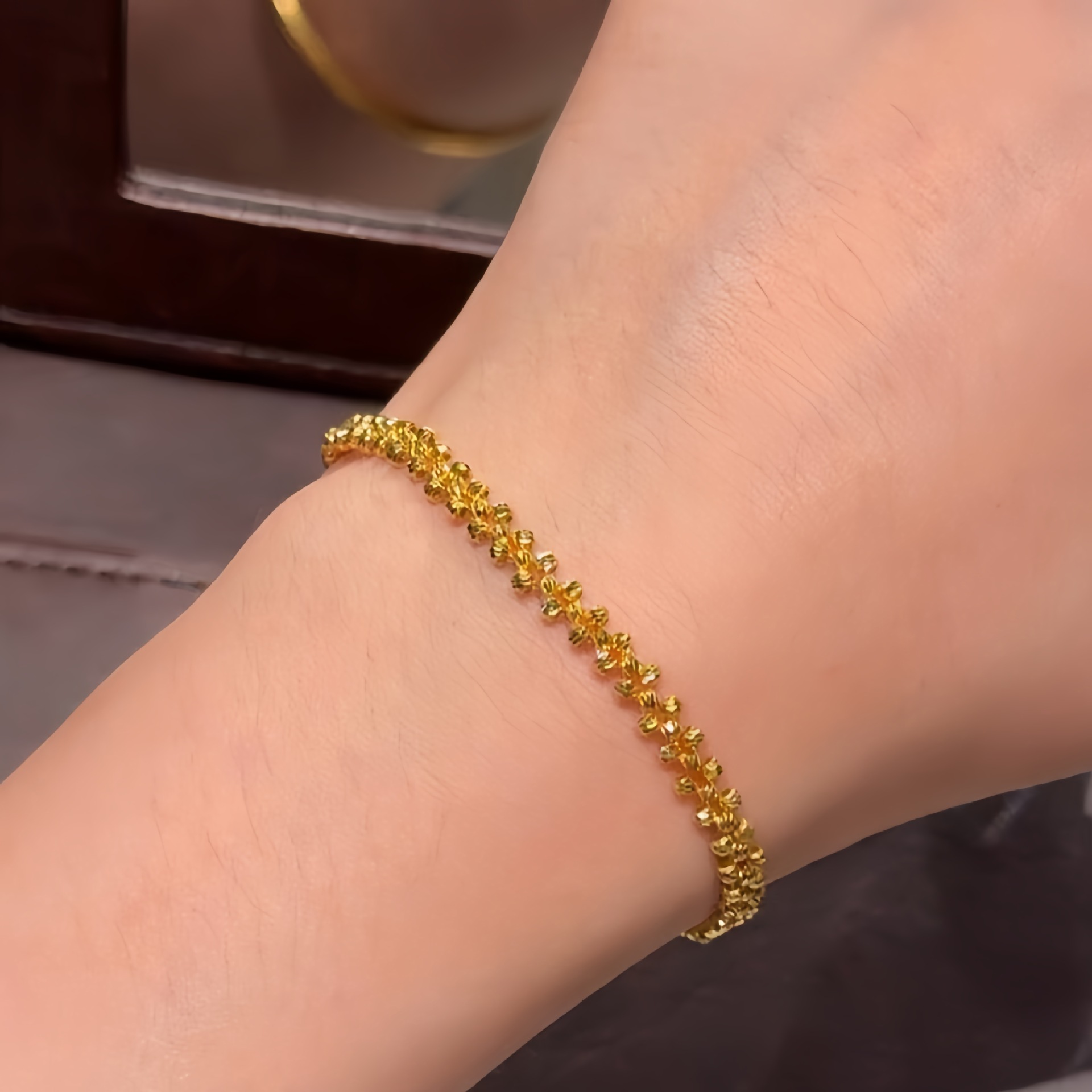
Is Traditional Silver Casting Holding Us Back?
Picture this: You’re at a jewelry fair, admiring a stunning piece of craftsmanship. But there’s a snag—a dull finish that strips away its value. In the world of jewelry casting, such intricacies shouldn’t be a norm. Silver casting is the cornerstone of producing many exquisite pieces, yet traditional methods often fail to deliver precision and quality. You might wonder, “Why stick with the old when the new can bring brilliance?” The cracks in conventional techniques, like limited design flexibility and higher wastage, are becoming more apparent as modern solutions emerge. Let’s dive deeper to understand these underlying challenges and move towards a brighter future in jewelry manufacturing.

The Hidden Flaws of Traditional Methods
Breaking down silver casting—not just superficially, but from its core—reveals constraints that aren’t immediately visible. The rigidity in traditional methods often means dealing with prolonged times and elevated costs. These processes lack the adaptability that modern technology offers, especially in customizing fine details. And let’s face it, these days, customization is key! The inefficiency of molten metal solidification and failure to capture intricate designs are pressing issues. Add to that, the waste management of residuals from casting (like investment materials and metal splatter) creates not only environmental concerns but also inflated production outlay. This leads to a crucial question: Are we holding on to outdated practices at the cost of efficiency and innovation?
Is Innovation the Future?
Look, it’s simpler than you think. Innovations in silver casting are reshaping what’s possible. By employing new technology principles such as computer-aided design (CAD) and rapid prototyping, the jewelry industry is now at the cusp of a renaissance. While traditional silver casting limitations are widely acknowledged, the push towards precision machining and laser sintering technology allows jewelers to explore complex geometries that were previously unthinkable—funny how that works, right? These advancements not only reduce material wastage but also lower energy consumption, pointing to a sustainable and smart future for craftspeople and consumers alike.
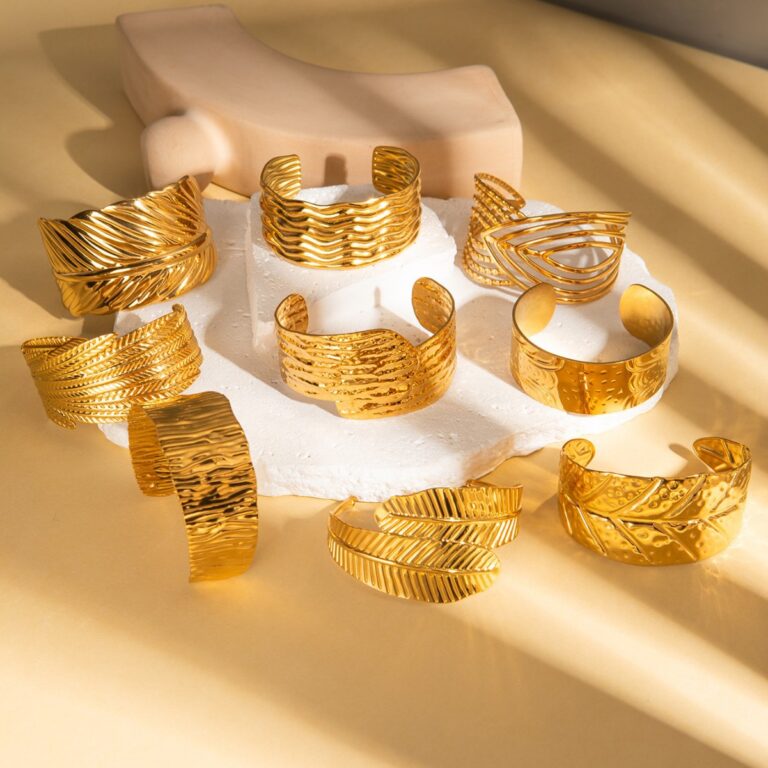
What Lies Ahead for Silver Casting: Embracing a Brighter Horizon
Amidst these transformative changes, it’s crucial to cast our gaze forward. Imagine a world where every piece of jewelry is not just made to last but crafted to perfection. Thanks to the new technologies in silver casting, we are seeing a shift toward more eco-friendly and cost-effective measures. The integration of digital technologies like 3D printing not only promises faster production cycles but also exceptional precision—something that couldn’t be achieved with the former methods. As the jewelry world embraces these capabilities, the boundaries of innovation are being pushed ever farther. One giant step for jewelry manufacturing means increased satisfaction for creators and customers.
As we conclude, let’s reflect—have we learned that adaptation is not just beneficial but necessary? Measurable improvements in quality, design flexibility, and sustainability prove that it’s high time to evolve from traditional pitfalls. Evaluating innovation, efficiency, and eco-friendliness as the metrics when choosing solutions can lead to better outcomes. As we look to the future, brands like Star Harvest are pivotal in spearheading these advancements, championing a new era where jewelry casting is as much about the journey as the crafted beauty itself.