
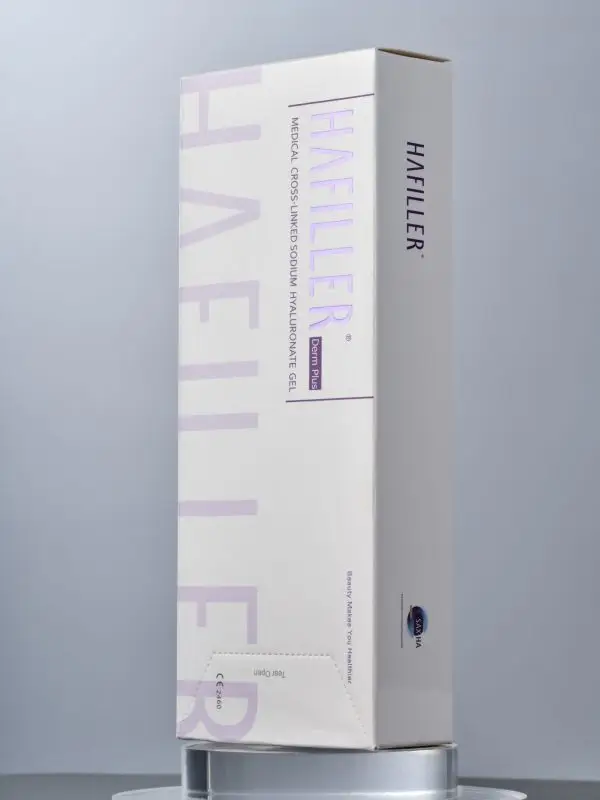
A Morning, A Mirror, A Choice
I met a woman at dawn, the clinic still quiet, her hopes louder than the city. She asked about the best injectable fillers, then pressed her fingers to the soft edge of her cheek. Numbers followed. Most clients want subtle change; many fear puffiness; nearly all want results that move well in real light. We mapped timing and touch: how long swelling lasts, how fast a product integrates, what G prime means when you smile. And we asked the question that sits under all these choices—how do you pick what makes you look like you? (Not someone else.) The skin tells on every decision. The filler’s viscoelasticity does too—funny how that works, right? Today, we hold up a clear lens, and we compare with care. Let’s step into the deeper layer.
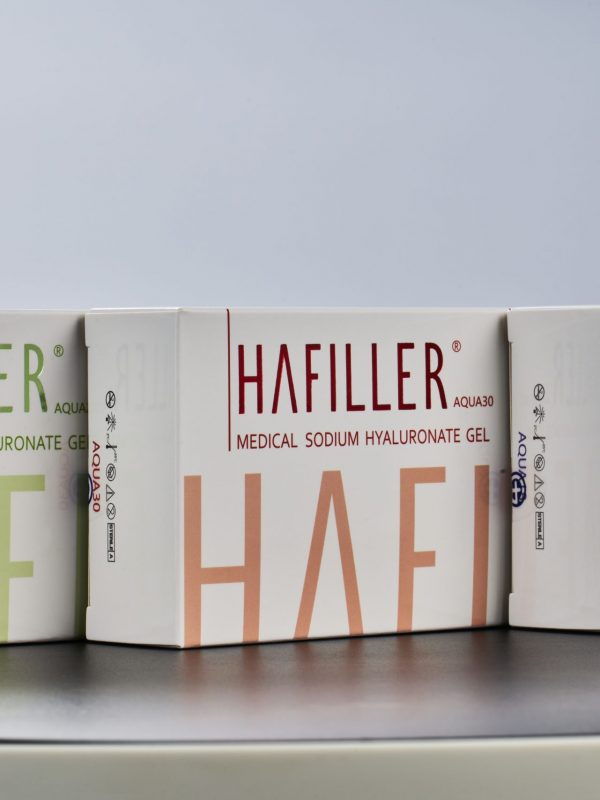
The Hidden Frictions Beneath a Smooth Result
What are we missing?
The talk is often about the result, but the lived moment sits between needle and mirror. The real gap is fit. The best dermal filler for your lips may fail your midface, and a cheek hero may look stiff around the mouth. Pain points hide in the details: product rheology vs. tissue demand, the wrong G prime in a mobile zone, or a needle gauge that bruises more than it should. Look, it’s simpler than you think: match the shear modulus to the job. Use a cannula where glide matters. Keep a plan for hyaluronidase, just in case. And talk about how the filler behaves when you laugh, not only when you sit still.
Traditional advice falls short because it stops at “volume here, definition there.” It ignores swelling sensitivity, sleep habits, workout timing, and the quiet fear of looking done. It skips integration speed, water-binding behavior, and how cross-linking density affects softness on day three. That is why some faces look right in stillness yet odd in motion. The fix is not more product. It is better pairing, slower layering, and respect for tissue planes. When the science meets the day-to-day, the result feels easy. And ease reads as natural.
Comparing What’s Next: Principles Over Hype
What’s Next
Forward matters. New formulas are not magic; they follow clear rules. Think in principles. Lower-modulus gels flex with expression; high-cohesion gels hold lift under pressure. Microdroplet technique reduces bulk and improves integration in thin skin. A hyaluronic acid skin booster injection is not a volumizer; it’s a texture tool that improves light scatter and water balance. Place it shallow, go slow, and watch the skin’s surface change over weeks—not minutes. Compare that to a structural filler in the midface, where projection needs a sturdier scaffold. Same face, different jobs. That is the quiet logic.
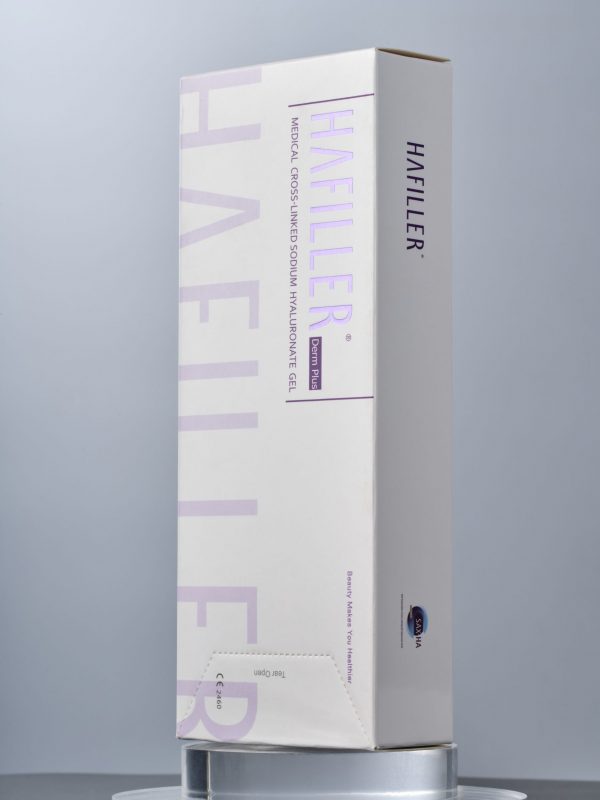
So we tie the earlier lessons to a future lens. Fit over fashion. Motion testing at the end of each pass. A plan for reversibility where HA rules. And—this surprises people—less is often more on day one, then refine. Results get better when you respect flow, like water finding a path. We close with three simple metrics to guide choice: one, dynamic test score (how the area looks in motion vs. stillness); two, rheology match (G prime and cohesivity suited to tissue and task); three, integration time and downtime tolerance (what your week allows). Track those, and your choices get clearer—day after day, face after face. Small steps, steady hands, and a kind mirror at the end. That is how we learn. That is how we honor the person in the chair—funny how consistency beats trends, right? HAFILLER