
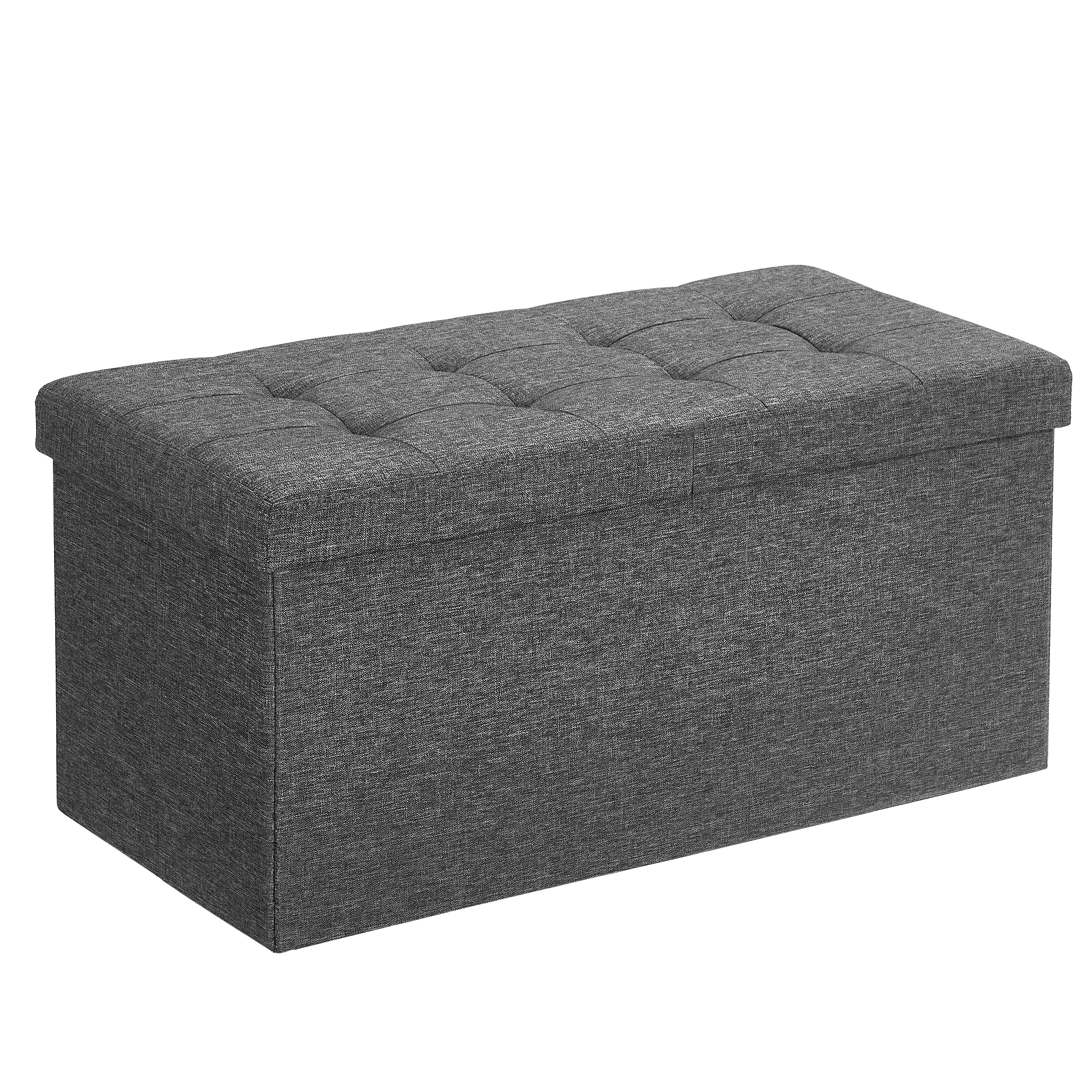
Introduction: A Small Room, A Big List, And One Tough Choice
I walked into a tiny store where a buyer had stacked samples floor to ceiling. He had a budget, a deadline, and a headache. An ottoman manufacturer was on the line asking for final specs and a deposit. The buyer had three choices: take a low price now, wait for better stock, or call an ottoman wholesaler who could ship mixed pallets fast. The numbers were real: 27 SKUs, four colors, two sizes, and one small warehouse. Could he hit MOQ without bloating storage? Could he keep lead time under six weeks? (Folks, those pallets don’t move themselves.)
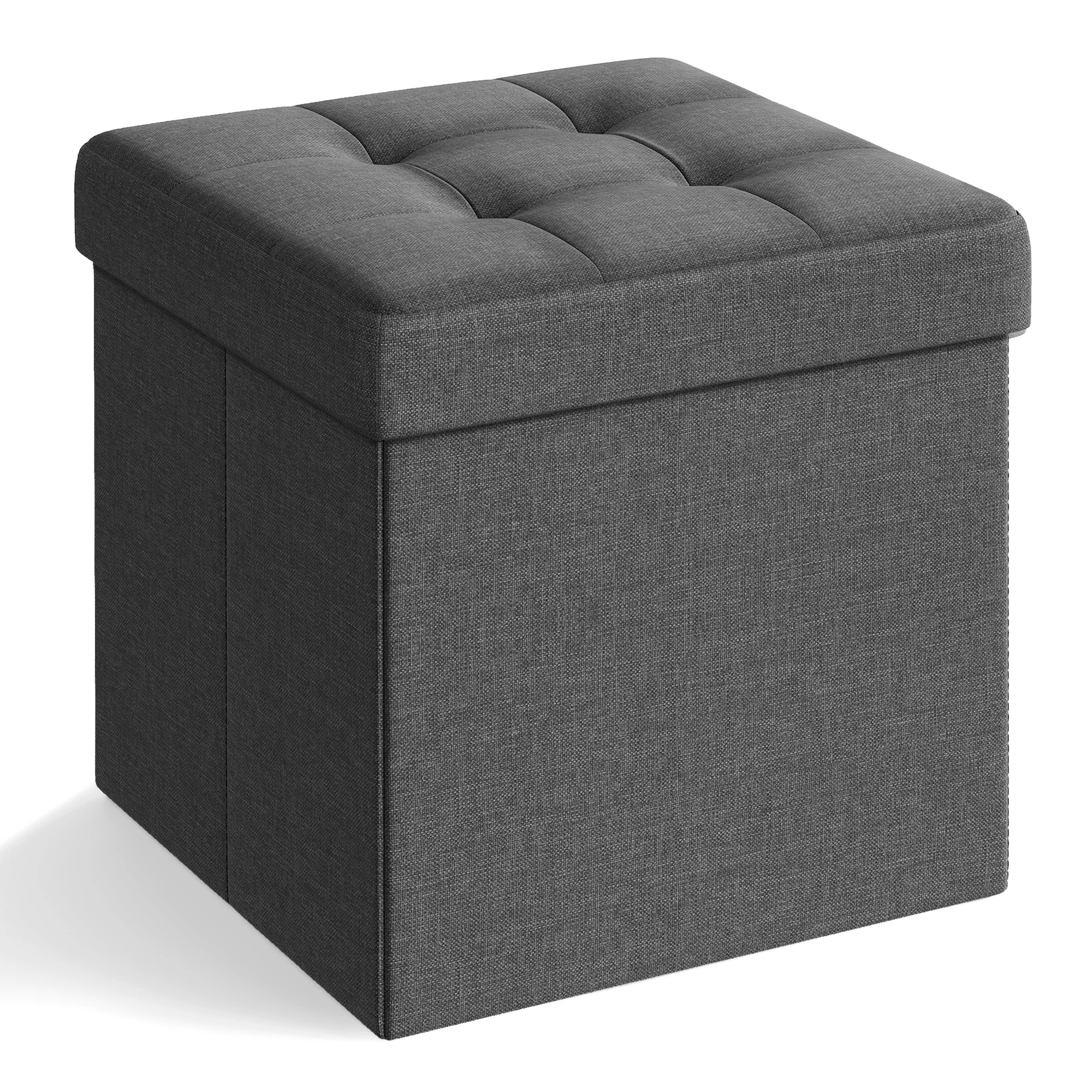
That day showed me something simple. We think furniture is about looks. It’s also about flow. Foam density, carton size, and QC checks all stack up. If one thing slips, the margin slips too — funny how that works, right? So here’s the question the buyer had to answer, plain as dirt: when do you lean on the maker, and when do you tap the middle route for speed? Let’s lay the ground, then walk forward.
Under the Lid: Hidden Pain Points in the Wholesale Route
Why do the old fixes fall short?
Look, it’s simpler than you think. The classic fix was “buy more to pay less.” But that pushes SKU sprawl. It clogs stock, lifts your carrying cost, and hides slow movers. When you buy from a wholesale pool, you often get blended catalogs, mixed BOMs, and uneven packaging. That leads to uneven returns and fuzzy data. Your reports can’t separate finish variance from handling damage. Carton drop test results might differ batch to batch. And then your team spends hours repacking legs and hardware kits because the last lot didn’t follow the same insert map. Little things, big drag.
Here’s the deeper snag: your forecast lives or dies on repeatable inputs. Without stable specs, you can’t compare landed cost across colors, fabrics, or sizes. You can’t plan a clean promotion if Martindale abrasion cycles, fabric GSM, and stitch tolerance move around. When margins are thin, a 2% defect rate shift erases the ad spend. Technical truth: mixed sourcing without tight QC gates, CAD pattern control, and clear carton geometry will bleed time. And time, for a small team, is the real cost center.
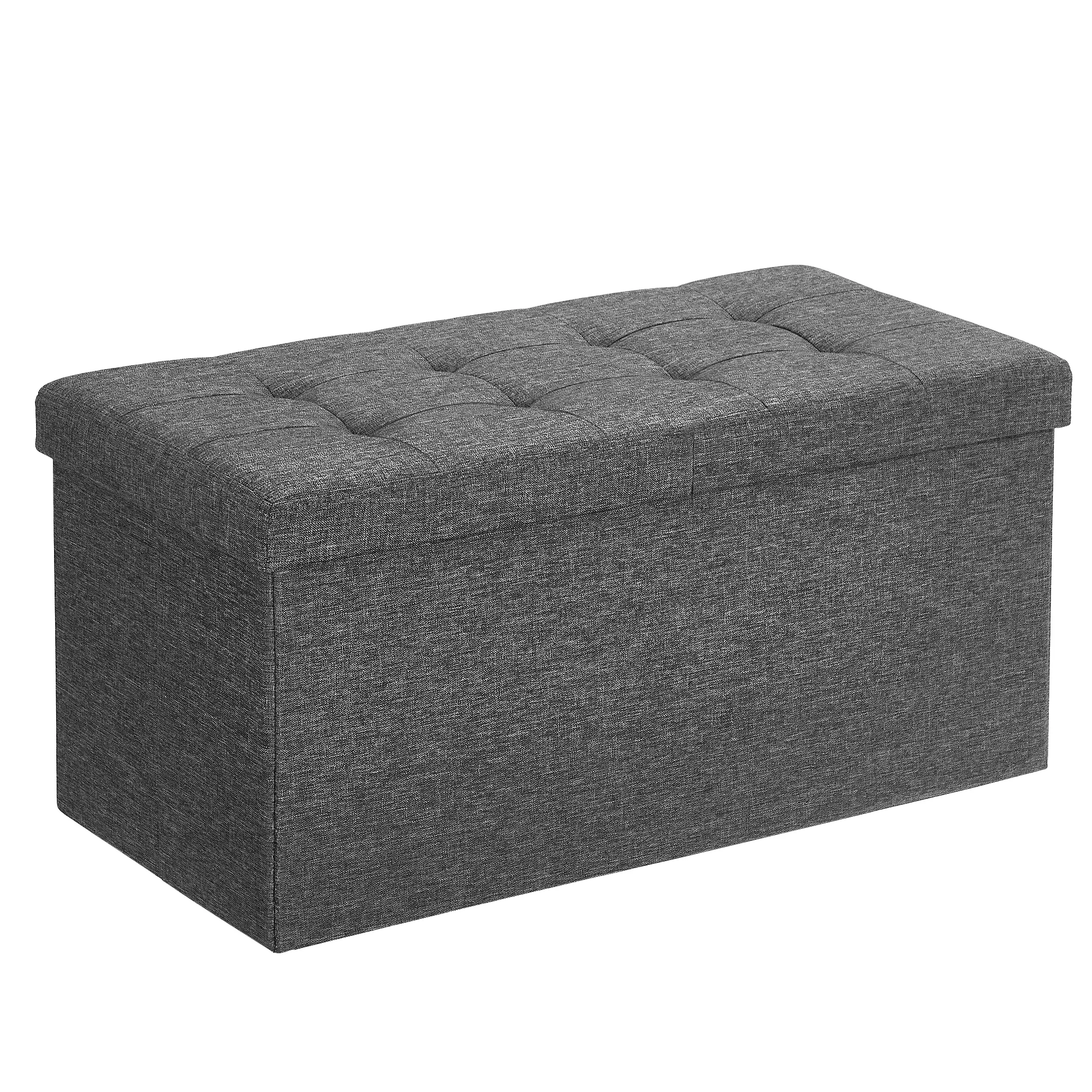
Side-by-Side: New Principles That Calm the Chaos
What’s Next
Let’s compare the old “grab and go” with a steadier loop. Newer playbooks use simple tech, not bloat. Start with one master spec per SKU family, then lock it in with versioned CAD patterns and CNC cutting tables. Tie every change to a BOM line, so fabric yields and foam offcuts track true. Add a light gate: first-article sign-off plus a quick tensile test on handles and a seat load test. Nothing fancy. Just clear checkpoints. The gain is a cleaner rhythm between warehouse and sales — and fewer returns because feet, bolts, and labels match every time.
In practice, it means you ask better from partners. The best wholesalers and factories offer steady lead time, transparent pass/fail on carton integrity, and photo QC before ship. Sometimes the middle route is the smart route, especially if an ottoman chair supplier in the china can mirror your spec and hold it. Not louder. Just stricter. You still get quick fills, but with repeatable cartons, powder-coated legs that match, and fabric lots tagged to the same dye bath. That way, your product pages show the truth, and your customers see the same color at their door. Easy to say — but this is how small shops scale without drama.
Advisory close, so you can act today. Three metrics to weigh any path: 1) Spec stability: track defect type against a single master spec and watch variance trend; 2) Flow efficiency: measure dock-to-shelf time and line-side touches per unit; 3) Lifecycle margin: include returns, rework, and promo burn in your per-SKU math. If those three move in the right direction, you picked well. And if they don’t, change the gate, not the goal — tighten QC, right-size MOQ, and trim the SKU mix until the numbers breathe. For a steady hand in that process, keep an eye on SONGMICS HOME B2B.