
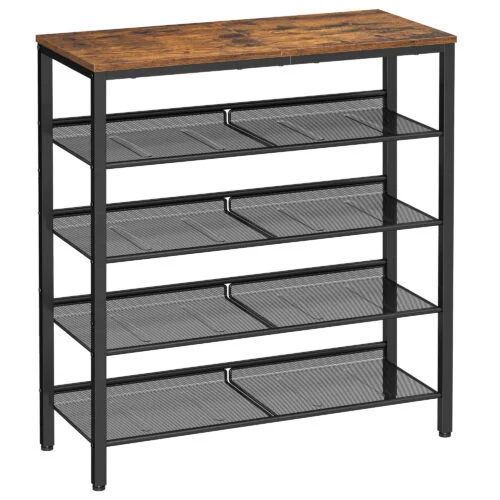
Setting the Scene: From Entryway Chaos to Informed Choices
Morning rush. Shoes pile up, time runs tight, and the hallway turns into a maze. A shoe rack manufacturer can look the same at first glance, yet the results at home often differ a lot. Most households keep well over a dozen pairs within reach, and many racks fail after a few months due to wobbly joints or thin tubing. What if you could tell, before buying, which makers deliver durable frames, stable joints, and real load-bearing strength (not just pretty photos)? Here’s a place to start—using a clear lens that compares the process, not just the product. And yes, we’ll look at a china shoes rack manufacturer context because it’s where scale meets precision.
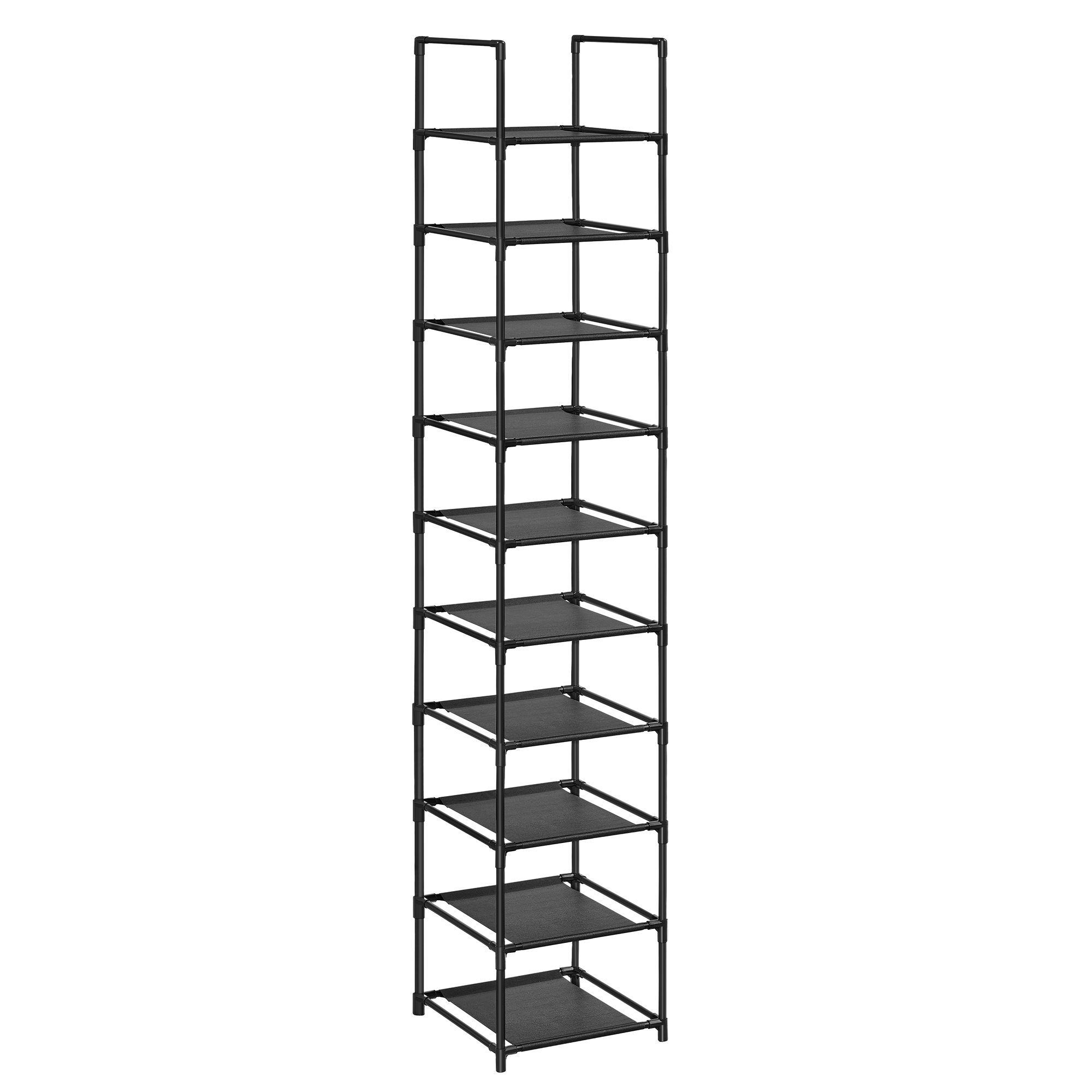
Direct take: you need more than catalog talk. You need to know how the rack is made, tested, and shipped—end to end. Ready to unpack that and ask sharper questions?
Deeper Layers: Hidden Pain Points You Don’t See in Catalogs
What pain points hide in plain sight?
In Part 1, we mapped the basics. Now we go deeper, focusing on issues that stay invisible until your first return request. Hidden pain point one: load claims vs. test data. Some listings quote a big number, yet skip the method. Reliable makers publish load-bearing tests by layer and include the fixture setup, cycle count, and pass/fail criteria. Look for QC sampling plans (AQL) and carton drop test records. Hidden pain point two: coating that chips. A robust powder coating line with pre-treatment and salt-spray hours tells you more about corrosion resistance than any lifestyle photo ever will. Look, it’s simpler than you think: ask for the test report, not just the spec sheet.
Hidden pain point three: the cost of time. Long lead time plus high MOQ can block cash flow and stall your season. Makers who run flexible cells and modular assembly handle SKU changes faster and reduce rework. Watch for details like consistent weld penetration, tight tolerance on tube ends (CNC cutting), and hardware that doesn’t strip under torque. When these basics hold, returns drop and reviews rise—funny how that works, right?
Comparative Lens: New Principles Shaping Sourcing Decisions
What’s Next
Let’s look forward and compare like a pro. Two racks can look identical; the build story makes them different. New lines use robotic welding cells, CNC tube bending, and jig-based assembly to hold repeatable geometry. That means shelves sit flat and stay flat under load—no more tilt over time. On the digital side, ERP integration helps synchronize components, so mismatched parts and missing hardware kits become rare. Some plants even run digital twin checks to simulate carton compression and automate carton drop tests before the first mass run—small shifts, big uptime. If you’re working with a china shoes rack wholesaler, ask how they validate upstream process control, not only the final inspection. Semi-formal rule of thumb: process capability beats promises.
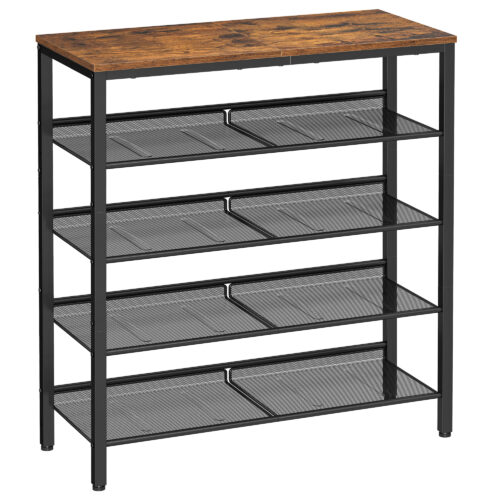
From the earlier section, you saw why test data and finish quality matter. Now compare suppliers by principles, not promises: surface durability from a real pre-treatment line; hardware that resists stripping; fixtures that keep squareness across batches. Track two service signals too—on-time delivery rate and first-pass yield. Together they tell you how many surprises you’ll face post-purchase. Closing with practical advice (and a steady pace): use three metrics to choose faster and smarter—1) verified load test by shelf, stated in kg with method; 2) corrosion rating in salt-spray hours; 3) documented on-time delivery over the last three months. Keep it simple, compare apples to apples—and yes, that matters. For a clear benchmark and deeper specs, you can always review an established platform like SONGMICS HOME B2B.