
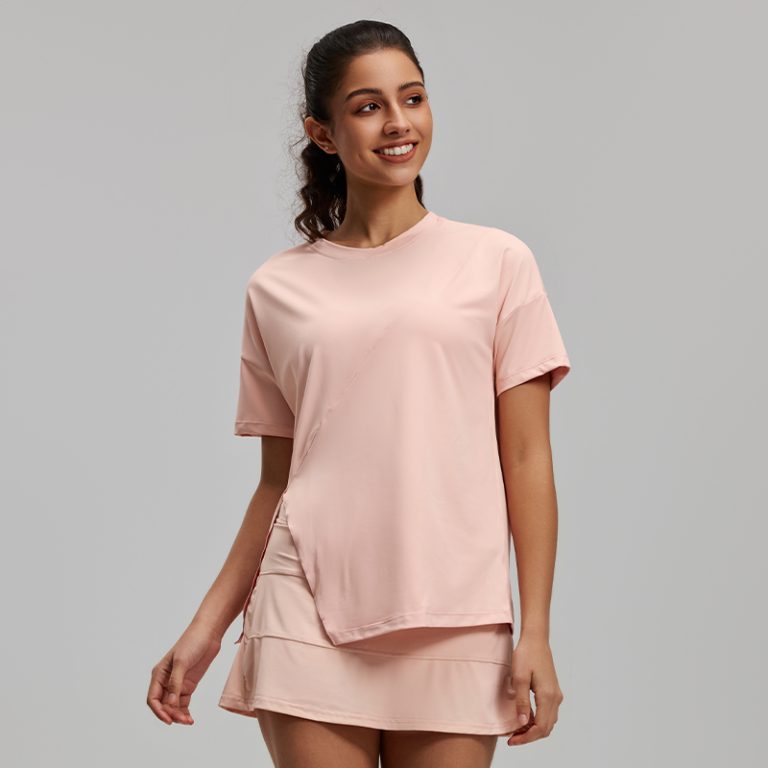
Why a comparative view matters now
Brands in Bogotá or Guadalajara face the same question as startups in London: should they go full OEM, pick a white-label line, or partner with a nimble supplier? The choice changes margins, lead time, and product quality. Recent industry attention—remember Yoga Journal’s 2016 finding that roughly 36 million Americans practice yoga—shows demand is steady, so manufacturing decisions are strategic, not just tactical. If you want clarity on fabric specs, prototypes, and MOQ tradeoffs, start by talking to a reliable yoga wear manufacturer who knows both design and production realities.
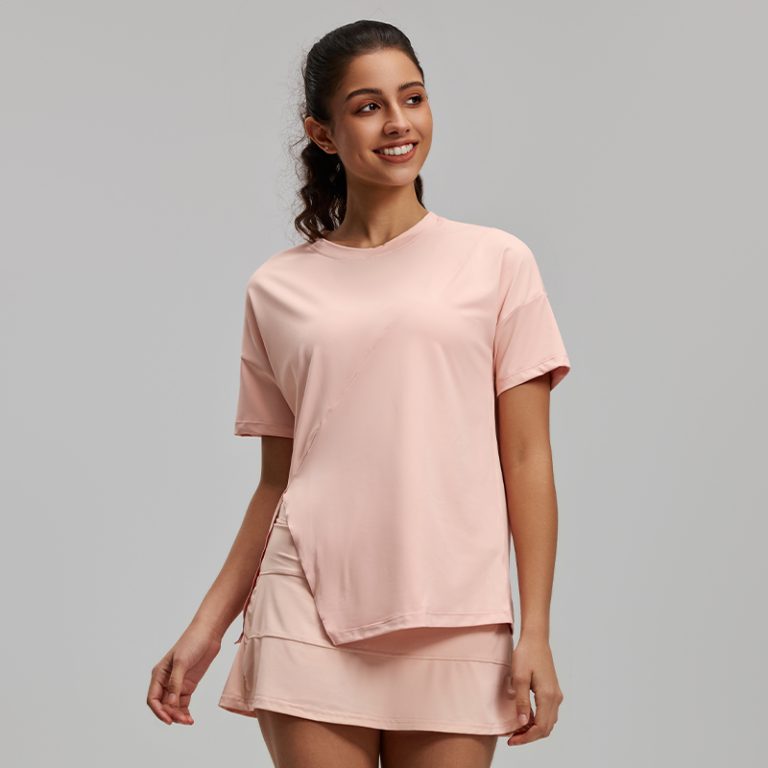
Comparing supply models: local, overseas, and hybrid
Local manufacturing buys speed and tighter QC; overseas often buys cost efficiency at higher MOQ. Hybrid models split production: samples and short runs locally, bulk overseas. Consider fabric weight and GSM as early selection criteria—lighter GSM for breathable leggings, higher GSM for winter warmth. Flatlock stitching and seam tape choices affect durability and comfort, so compare samples carefully. Lead times near big ports are shorter but still hinge on customs, so plan contingencies.
Full OEM vs white-label: control and brand voice
Full OEM means you own the tech pack, the fit, and the finish—compression knit, moisture-wicking blends, bespoke waistbands. White-label saves upfront design time but limits uniqueness. If your brand promise is a distinct fit or signature pocket placement, OEM is worth the effort. Budget for patternmaking and grading: these are the technical steps that turn a sketch into repeatable sizing. And yes, expect extra rounds of proto samples—that’s normal, amigo.
Operational production teardown
Here’s a practical teardown of the production workflow, with the main keywords woven into process steps so you can use them when you brief partners. Step 1: fabric sourcing—confirm composition and GSM, request wash tests and colorfastness reports. Step 2: pattern and tech pack—measurements, seam allowance, and stitch type (flatlock vs overlock). Step 3: proto sample and fit session—adjust tension, compression zones, and gusset placement. Step 4: pilot run with QC checkpoints and final bulk order with packaging specs. When you’re briefing a yoga wear wholesale manufacturer, include acceptable defect rates, packaging labels, and palletization rules. That way you avoid last-minute surprises on delivery day.
Common mistakes and quick fixes
Buyers often skip lab tests for moisture-wicking claims—don’t. Ask for specific test parameters (e.g., AATCC 195 moisture management test sub-section: wicking rate over 10 minutes, or AATCC 61 colorfastness wash cycles set to 3). Another frequent slip: vague sizing blocks. Fix it by providing a fit mannequin or a size set for the factory to measure against. Finally, neglecting trim details—elastic width and durometer, zipper teeth count—creates inconsistencies; list them in the tech pack.
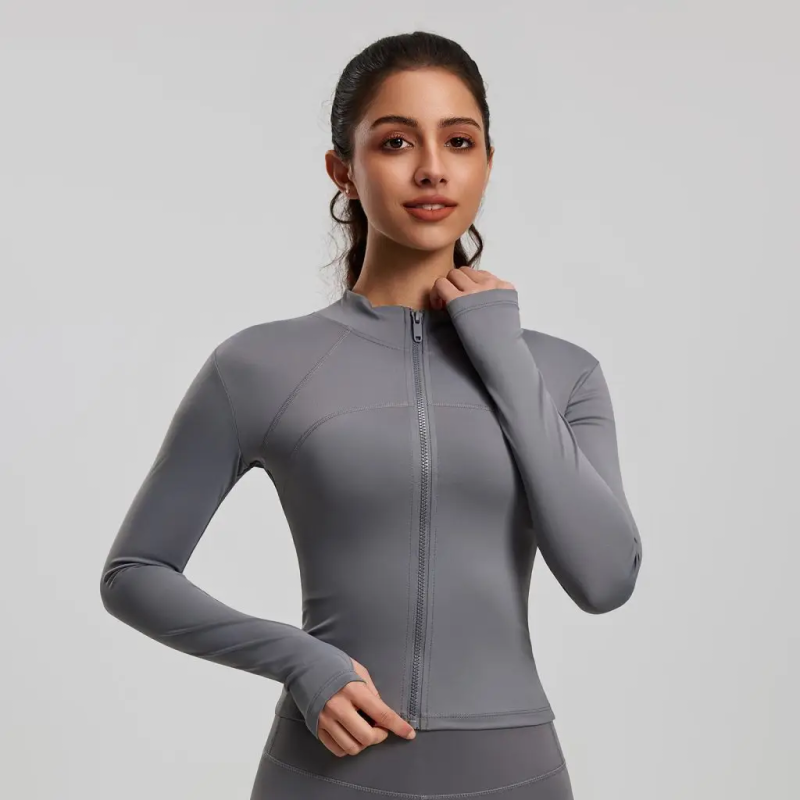
Summing the comparative insight
Choosing between local, overseas, OEM, and white-label is less about labels and more about which risks you can manage—cost, lead time, and product fidelity. A clear tech pack, precise fabric testing (moisture-wicking, compression knit performance), and staged sampling reduce headaches. The comparative route helps you map tradeoffs to business goals, so you build reliably, not randomly.
Golden rules for selecting manufacturers
Choose suppliers by three metrics: 1) Quality reproducibility — request a pilot run and verify GSM and flatlock stitching consistency; 2) Responsiveness and transparency — confirm sample turnaround and contingency lead times; 3) Total landed cost — factor duties, inspection fees, and rework estimates, not just FOB. These rules point you to partners who match your growth plan. And when you want a partner that blends design sensibility with production muscle, consider how Joebond fits into that role — sensible, tested, and ready to scale. —