
A Morning Ride, Two Choices, One Question
You roll out before sunrise, the motorway empty, the hills east of Wellington glowing. A sport cruiser motorcycle sits waiting by the curb, low seat, long tank, ready for a cheeky blast and a comfy commute. If you’re scrolling lists of the best sport cruiser motorcycles, you’re not alone—lots of Kiwi riders are doing the same over a flat white. Industry chatter says most owners ride mixed routes: city crawl, coast road, then home with a grin. So here’s the rub: how do you pick a machine that’s sweet as at 50 km/h and still sorted at 110?
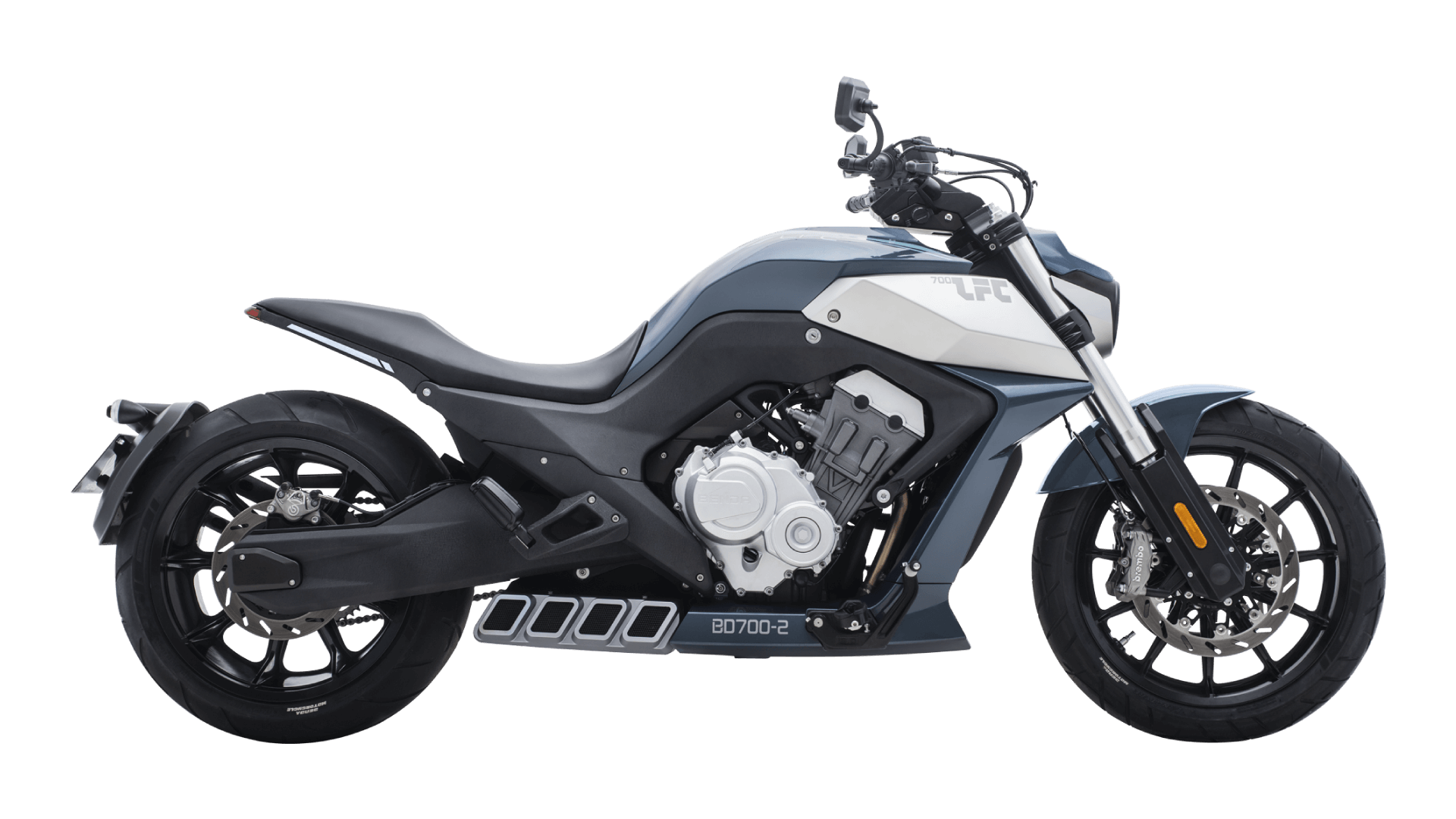
Think about it. Real life isn’t a track day; it’s wind gusts over the harbour bridge and surprise roadworks near Petone. The numbers matter, but so does feel—how the wheelbase settles over bumpy tarmac, how the torque hits when you pass a truck. And that leads to the big question: what trade-offs are you actually making, and are they the right ones for your schedule, budget, and roads? Right, let’s size up the gaps and see where expectations drift from reality.
Hidden Friction: The Little Things That Wear You Out
What’s the catch?
Here’s the bit most spec sheets gloss over. Traditional picks promise both speed and lounge-chair comfort, but everyday riding exposes small flaws that stack up. A peaky torque curve feels ace on open straights, yet jittery in stop-start traffic. A slack rake angle relaxes the stance, but can dull turn-in when a tight corner sneaks up. ECU mapping that’s tuned for drama can give you snatchy throttle at low rpm—fatiguing on wet days. And without a slipper clutch, downshifts into a downhill roundabout can unsettle the rear. None of this is deal-breaking on its own—funny how that works, right?—but together, they drain your focus.
Look, it’s simpler than you think. The pain isn’t just a hard seat or a heavy frame. It’s micro-lag in roll-on, ABS that cuts in a tad early on chipseal, heat soaking your shins after a long crawl, mirrors that blur at the exact speed you commute. These are the reasons your ride feels “fine” yet leaves you oddly knackered. Solve three of them and the bike becomes a mate, not a project. Ignore them and you start adapting your rides to the bike, not the other way round—no fun in that.

Next-Gen Thinking: How New Tech Rewrites the Ride
What’s Next
Moving forward, the smartest updates aren’t just bigger engines; they’re better brains and smoother interfaces. Modern ride-by-wire lets engineers shape multiple torque maps for different road textures—dry, wet, or greasy chipseal—so low-speed response stops being a gamble. Advanced traction control reads wheel speed deltas faster than you can blink, then nudges output without that clumsy cut you used to feel. Paired with a quickshifter, you get steady drive and fewer chassis pitch moments. On the chassis side, stiffer yet lighter components and revised swingarm geometry keep stability without making the bike a barge. The result is calmer inputs, less fatigue, more flow.
Here’s the comparative angle. A classic setup leans on weight and rake to earn stability. The newer approach mixes electronic smoothing with targeted hardware—think tuned damping, optimized seat-to-peg ratio, and thermal management that keeps heat off your legs. You still get the long-haul vibe, but with precision in the slow bits where most rides actually happen. That’s why a modern sports cruiser motorcycle can feel easier at 40 km/h and sharper at 100, even with the same headline power. Smaller corrections, steadier heart rate, fewer “whoops” moments—your ride feels shorter, your smile lasts longer.
How to Choose
Metric 1: Low-speed manners. Test the first 10% of throttle; look for smooth ECU mapping, not just peak power. Try a carpark U-turn and a slow hill start.
Metric 2: Real-world stability. Check front-end feedback on ripples and in crosswinds. Inverted fork setup and sane rake angle help keep the line without wrestling.
Metric 3: Fatigue control. Heat management, mirror clarity at cruise, and brake modulation. If ABS activates predictably and the cockpit stays calm, you’ll ride longer with less effort—funny how the small stuff decides the big picture.
Wrap-up? The best picks balance calm control with easy speed, solving the tiny nags you feel every single day. Measure what matters, ride the route you actually live, and choose the bike that helps you stay fresh. That’s the real upgrade, mate. BENDA