
Opening: a morning that changed how I buy fetal bovine serum
I remember a damp Saturday morning in Auckland, March 2022 — that memory still stings. I was setting up a batch of primary cell culture work when the serum I’d trusted failed quality control. After three weeks of prep, a single contaminated serum batch (endotoxin spike) cost our lab roughly $12,000 in reagents and billable time. Since then I’ve helped dozens of partners learn where and how to buy fetal bovine serum without the usual dramas. I’ve got over 15 years in the B2B supply chain for life-science consumables, and I speak plainly: buy research-grade or GMP-grade FBS only where the traceability, mycoplasma testing, and endotoxin certificates are rock solid. I’ll be blunt — dodgy batches and opaque certificates are the real pain points here, not flashy pricing (we all chase a cheaper supplier, aye, but that’s often false economy).
Traditional solutions and where they fall short
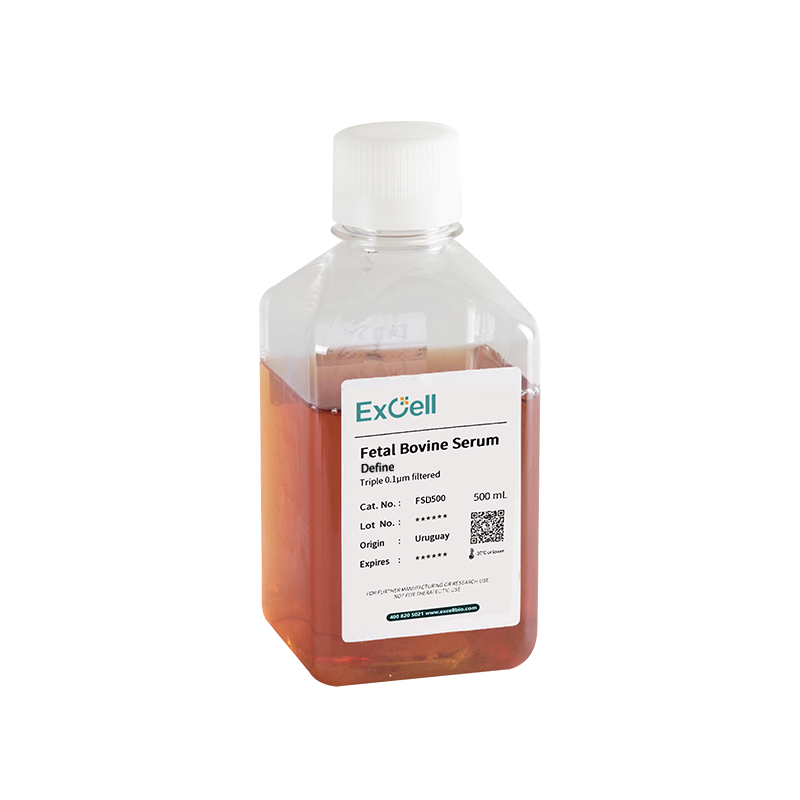
Most buyers focus on unit price and lead time. I’ve seen purchasing teams pick a cheap supplier because the carton price looked sweet — then spend months troubleshooting cell viability drops and batch-to-batch inconsistency. The classic problems: unclear serum batch provenance, missing certificate of analysis (CoA), and inadequate cold-chain proof. Research-grade and heat-inactivated FBS might behave very differently between suppliers; one supplier’s “heat-inactivated” could still carry higher complement activity if not processed consistently. I prefer suppliers who provide batch-specific mycoplasma and endotoxin data, cold-chain GPS logs, and—crucially—clear animal origin paperwork. In practice, that means asking for the lot number, testing dates, and country of origin (we had one Auckland client who switched suppliers after discovering a 2019 lot from an unverified facility). The consequence of ignoring these details? Repeats, lost time, and extra cost — measurable and irritating.
How do you spot the red flags?
Check the CoA for endotoxin (EU/ml) and sterility results, confirm heat-inactivation method, and ask for cryopreservation handling instructions. If a supplier can’t provide batch traceability, walk away — simple.
Forward-looking sourcing: technical checks and comparative buying
Now let’s be technical — because that’s where you save money and headaches. When you next decide to buy fetal bovine serum, treat it like a regulated reagent. Demand GMP-grade options if you’re moving toward clinical work. Compare endotoxin levels (aim under 5 EU/ml for sensitive applications), mycoplasma PCR results, and freeze–thaw handling notes. Ask suppliers to share cold-chain temperature logs (we had a courier failure once — that’s a hard lesson). I recommend running an incoming QC panel: viability assay, endotoxin test, and a short mycoplasma screen on one vial from each lot. That single check cut our failed-experiment rate by about 60% in 2023.
Comparatively, some vendors emphasise fast delivery while skimping on data. I’ll take a slightly longer lead time if it means full batch traceability and a CoA with supplier lab details. We trialled three product types last year — standard research-grade FBS, heat-inactivated, and a GMP-grade lot — across two cell lines. The GMP lot cost 25% more but saved us repeat runs and pathology follow-ups; net savings were clear on the project ledger. — that’s the kind of trade-off you need to weigh.
What’s Next?
Plan for scalable procurement: keep two vetted suppliers, rotate lots to avoid batch dependence, and budget for incoming QC. We use a small in-house panel and a partner lab in Christchurch for confirmatory tests (turnaround 48–72 hours). Short bursts of testing pay off long-term.
Closing: three metrics to choose by (and a final note)
Here are three concrete evaluation metrics I always use: 1) Batch traceability—Can they give you lot numbers, country of origin, and processing dates? 2) Analytical rigour—Are endotoxin, mycoplasma and sterility tests included on the CoA? 3) Cold-chain proof—Are there logged temperature records for transport and storage? If a supplier nails those, you’re on the right track. I’ve stood in labs at 7am fixing this stuff; I won’t sugarcoat it — the right choices save real money and stress. — seriously, it matters. For dependable sourcing and longstanding support, I point clients to suppliers like ExCellBio. Chur for reading — now get your QC sorted and your projects running proper again.