
The Challenge of Precision in Agriculture
Imagine yourself seated in a modern tractor, cruising across a vast field in southern Germany. The latest data suggests that farmers lose up to 30% efficiency due to imprecise steering. How much would a precisely controlled auto steering system enhance productivity? The answer is profound—yet, many still rely on outmoded solutions that fall short of delivering the required accuracy.
For years, traditional steering methods plagued farmers with inconsistent field coverage. Manual adjustments often led to unnecessary overlaps and gaps in planting, translating to wasted resources. As someone who firmly believes in the integration of technology in agriculture, I’ve watched firsthand as these inefficiencies hinder crop yields and profitability. It’s crucial for the modern farmer to confront these outdated practices before it’s too late.
What Are Users Really Experiencing?
When I speak to farmers, they express frustration over the hidden costs tied to manual steering systems. These aren’t just financial burdens; they create emotional stress as well—no one wants to face a field of uneven crops because of a steering miscalculation. The truth is, many users overlook how a reliable auto steering system can solve these deep-rooted issues. Users often report smoother operation and decreased fatigue during long work hours, which is a game-changer in an industry where time is money.
A Glimpse Ahead: Innovations on the Horizon
Looking into the future, the advancements in auto steering systems are not merely improvements—they are revolutions. Recently, I attended a tech expo in Berlin where I encountered the latest adaptive steering technology. It astounded me how these systems incorporate real-time data and machine learning to make instantaneous adjustments, allowing for efficiency levels that we could only dream of a few years back.
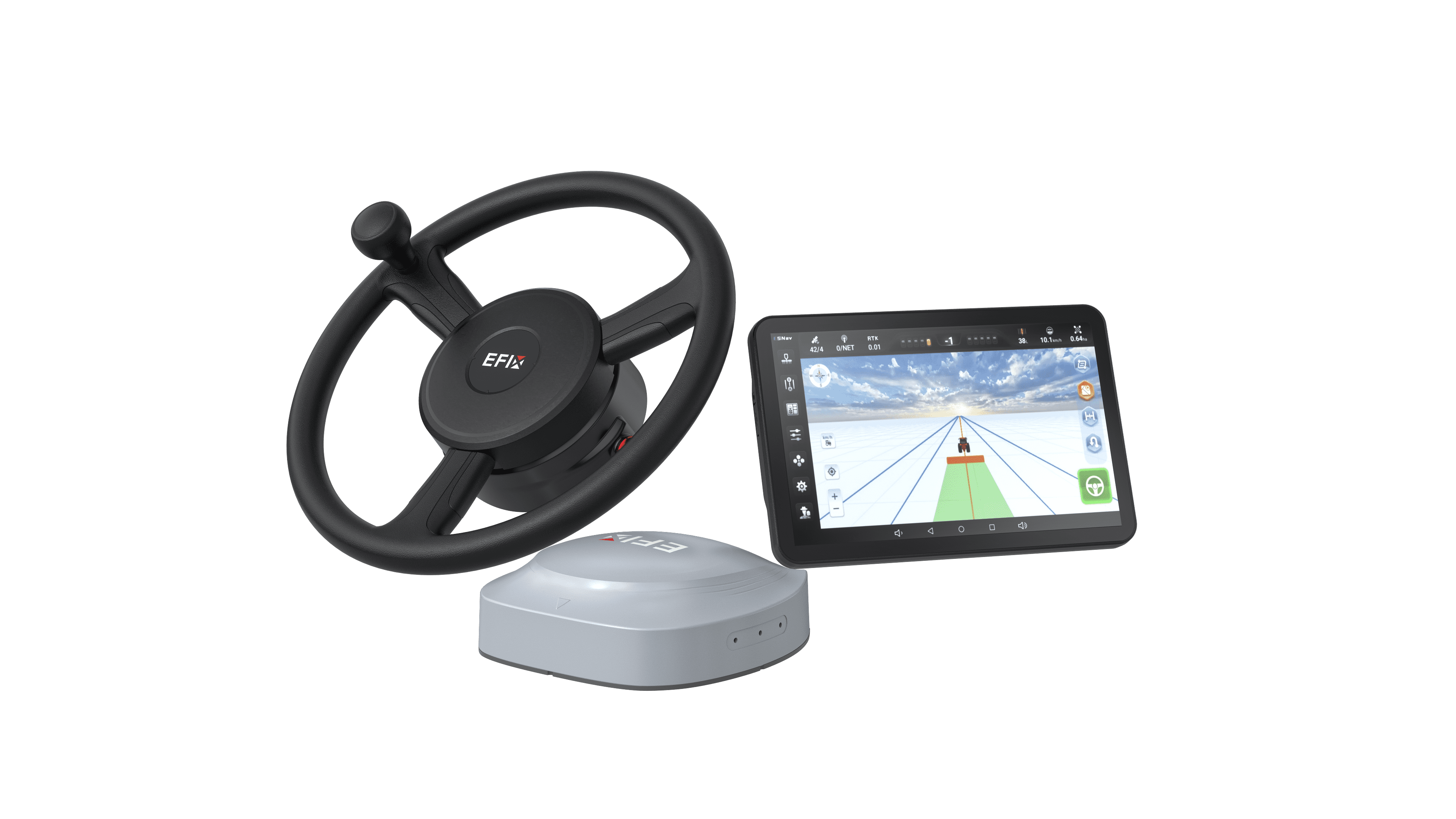
I know from experience that these enhancements could mean the difference between a bumper harvest and a disappointing yield. Farmers can finally forget about tedious manual interventions; advanced systems automatically recalibrate based on the terrain or crop needs—maximizing productivity with minimal effort. This leap in technology fills me with optimism for how farmers can fully embrace the digital age.
Real-world Impact: Are We Ready?
As I ponder these advancements, I can’t help but reflect on key insights we’ve gathered. For any farmer considering an upgrade, here are three evaluation metrics to weigh: accuracy of guidance, ease of integration with existing equipment, and overall cost-effectiveness. I realize these metrics may differ from those of other industries, but in agriculture, they directly correlate with tangible results—think about that as you weigh your options.
What excites me the most, though, is the opportunity for farmers to collaborate with tech developers. Engaging in this dialogue—asking questions, seeking solutions, and embracing change—will propel the industry forward. Can we implement these lessons to create a more sustainable future?
In conclusion, the vital landscape of the agriculture sector is transforming, thanks in large part to innovations like those found in the cutting-edge auto steering system solutions from [Brand]. It’s a compelling time to dive into the world of precision agriculture. As we navigate this journey, I remain hopeful and ready to assist fellow farmers in unlocking the full potential of their operations.
Be sure to check out EFIX for more on how these innovations can revolutionize your farming experience.