
Opening: The problem named
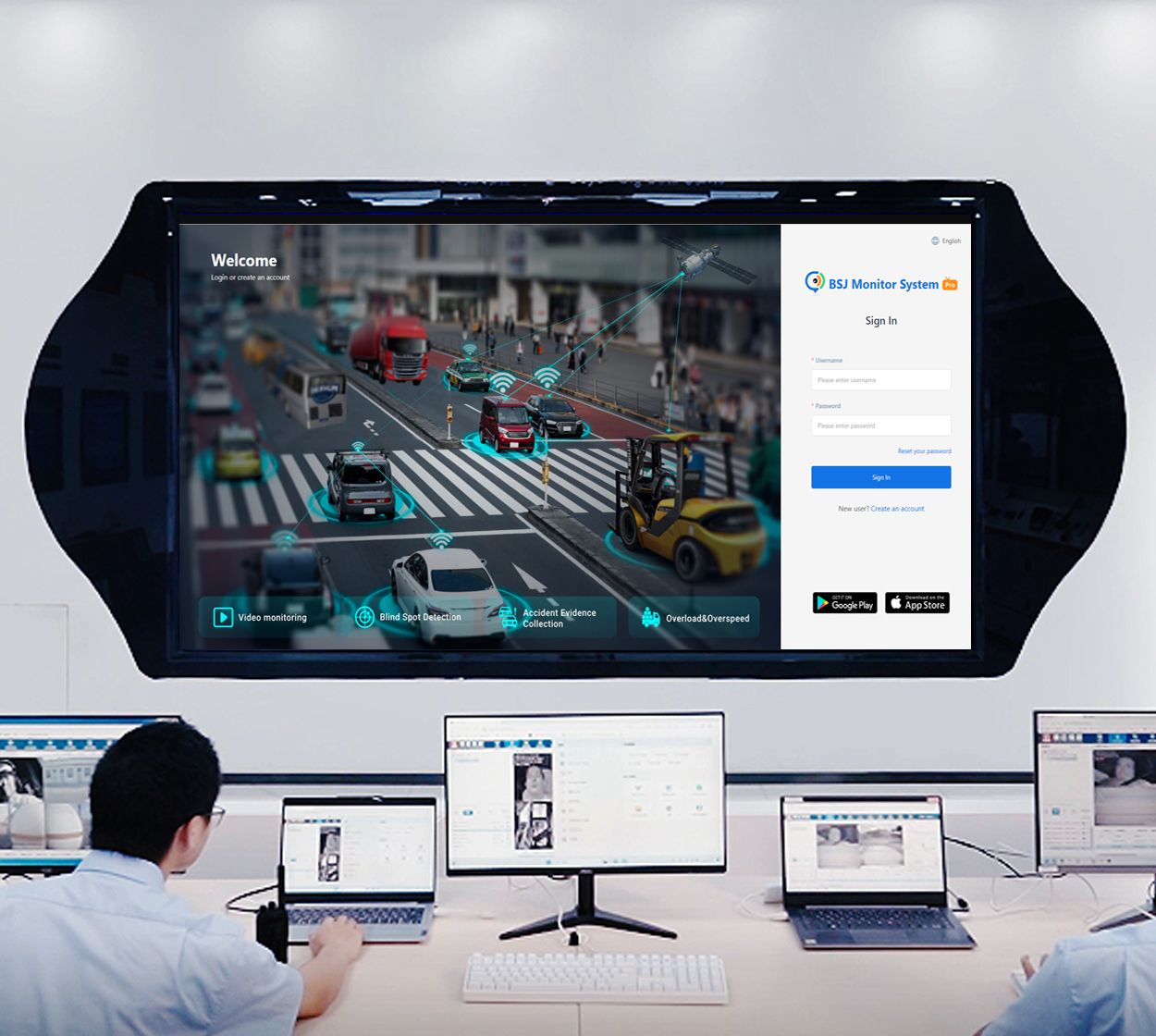
The fleet talks in beeps and silence; you hear gaps where meaning should be. Operators miss routes, sensors misreport, and dashboards drown in conflicting feeds — the everyday failures of bus fleet telematics reveal themselves as stubborn, recurring problems. A route planner I once worked beside in London described mornings when telemetry lagged like a delayed heartbeat. For teams trying to tame that noise, practical fixes start by treating the whole as a system: the vehicles, the network, the software, the people. Many transit leaders begin by replacing chips or dashboards, but a better start is to align objectives with the tools, whether you’re assessing a bus fleet management rollout or consolidating feeds into a single bus management system.

Data fragmentation: The symptom and the remedy
Problem: GPS, engine diagnostics, passenger counters, and fare systems speak different dialects. Reports conflict and decisions stall.Solution: Create a single source of truth and clear ownership.- Define one canonical feed for location and schedule adherence.- Normalize data at ingestion: timestamps, IDs, units.- Use lightweight middleware to translate proprietary CAN messages into standard JSON.Experience matters: I’ve seen teams shorten incident resolution from hours to minutes by enforcing a single event schema and a denormalization layer that serves both ops and analytics.
Hardware and connectivity: Where poetry meets physics
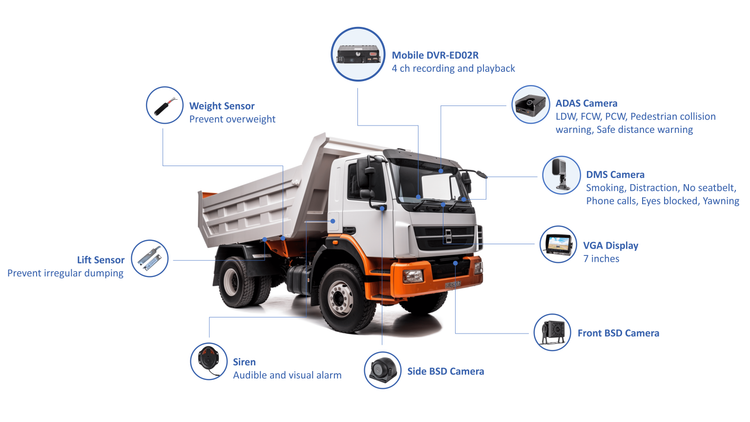
Problem: Devices fail in rain, heat, or when firmware drifts. Cellular gaps make live data false.Solution: Specify hardware to conditions and plan for graceful degradation.- Choose devices rated for vibration and temperature extremes; prefer modular units where GPS, cellular, and CAN gateways are separable.- Implement store-and-forward buffering so a bus doesn’t look dead during coverage gaps.- Use dual-SIM roaming profiles to reduce single-carrier outages.Practical check: insist on remote firmware rollback as a contract item. That single capability prevents mass failures after a bad OTA push.
Security and compliance without theater
Problem: Vendors promise airtight security, but the real risk is misconfiguration and weak identity management.Solution: Enforce least privilege, certificate-based device auth, and audit trails.- Isolate telematics networks from passenger Wi‑Fi and driver mobile devices.- Rotate keys and monitor device behavior for anomalies rather than only relying on per-device firewalls.- Keep a written incident playbook and rehearse it.Operators who pair automated detection with a practiced human response find breaches contained before operations slow.
Driver and human factors: The overlooked sensors
Problem: Systems ignore the living interface; drivers disable sensors, or alerts are ignored.Solution: Design for trust and clarity.- Build concise, actionable alerts that respect driver attention and shift patterns.- Offer transparent feedback to drivers: safety scores tied to coaching, not punishment.- Pilot changes with small crews and iterate; don’t deploy sweeping UI changes fleet-wide on Monday morning.People adapt when the system reduces noise and rewards safe, efficient choices.
Scaling and vendor selection: Tests that reveal truth
Problem: A build that worked for ten buses breaks at one hundred.Solution: Validate with progressive scaling and standard metrics.- Run a staged rollout: lab → pilot fleet → zone → citywide.- Measure uptime, packet loss, and mean time to repair (MTTR) under real routes.- Evaluate vendors on interface stability and their documented integration patterns, not just slides.Avoid the trap of buying a shiny dashboard without asking for API keys and data schemas; interoperability fails are rarely visible until you need them.
Common pitfalls and a concise checklist
Do not:- Accept opaque data formats.- Deploy mass firmware updates without a rollback plan.- Mix production and testing certificates.Do:- Keep a canonical device registry and change log.- Log events with UTC timestamps and route IDs.- Train a small response team with clear escalation.This checklist prevents the repetitive errors that sap budgets and morale.
Alternatives and trade-offs
Open-source stacks offer control but require in-house discipline; commercial suites provide faster time-to-value but can lock you into rigid schemas. Hybrid approaches — standardized data layers with configurable analytics — often balance speed and control. Choose the trade that matches your team’s ability to operate and maintain the stack, not the vendor’s promise.
Closing: Where repair becomes craft
When the system hums, it’s not magic; it’s careful choices: robust hardware, clear data contracts, sensible security, and human-centered alerts. Treat telematics problems as stories with causes and small, testable fixes. That practice turns repeated failure into steady improvement, a quiet engineering craft that transforms noisy feeds into dependable signals — the very work BSJ helps weave into daily operation, blending tools and practice so fleets move with confidence.