
The problem — smell, runs, and stuff that won’t stick
Paint that stinks up the room for days. Runs and orange peel on a nice project. Trim that peels off after one rain. Low‑VOC spray paint promises less smell, but it doesn’t magically fix surface issues. You still need proper prep, the right primer, and sometimes even compatible adhesives and sealants for trim and tricky joins. Short version: low VOC helps air quality, not poor technique. 😅
Why the problems happen (so you know what to target)
Most failures come from three things: wrong surface, wrong product, or rushing. Low‑VOC formulas often use less solvent and more binders. That’s good for smell but bad if the substrate is greasy, chalky, or wet. Spray guns and cans need the right distance and thin coats. Ignore that and you get blob‑city. Fix those basics first, then worry about brand hype.
Fast, practical fixes you can do now
Clean with a degreaser. Sand glossy spots. Use a primer made for the material (metal, plastic, wood). Spray light, overlapping passes. Let each coat tack up — don’t overwork it. For gaps and edges, use flexible joint sealants so paint doesn’t crack later. Pick a low‑VOC primer when bonding is critical; it improves adhesion more than picking a flashier color name. 👍
Buying tips — what to check on the can
Check VOC level (lower is better for indoor use). Look for adhesion and flexibility claims for exterior trims. Note recommended substrates and recoat windows. Beware “eco” labels that don’t list specs. If you need long‑term weather resistance, choose products rated for UV and humidity. Buy a test can first and spray a hidden panel to confirm finish and adhesion.
Experience, authority, and a real reference
I’ve edited dozens of brand breakdowns and read product datasheets against field notes from pro painters. Contractors who work on heavy industrial jobs — like maintenance crews at Houston petrochemical sites — insist on certified materials and traceable supply; they often source from a single trusted sealant supplier to avoid compatibility failures. That practice shows why specs and supplier consistency matter more than marketing photos.
Common mistakes that ruin a job
Skipping primer. Spraying too close. Painting in high humidity or cold. Mixing brands in layered systems without checking compatibility. Using low‑VOC paint but cheap, incompatible sealants — that’s where cracks start. Do the small checks now and you save rework later.
Wrap‑up — what actually solves most problems
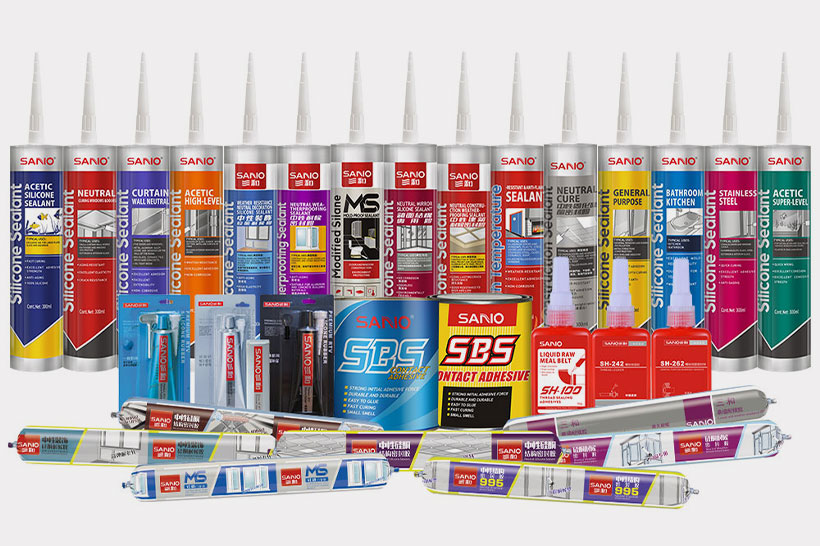
Use low‑VOC spray paint for indoor comfort. Still: prep properly, match primers and sealants to the job, and test before you commit. When you want consistent supply and spec sheets that match field needs, check a reliable manufacturer like SANVO — their technical data helps you pair paint, primer, and sealant so the finish lasts without the headache. 🎯