
Problem-driven opening: The gap in multi-day energy buffering
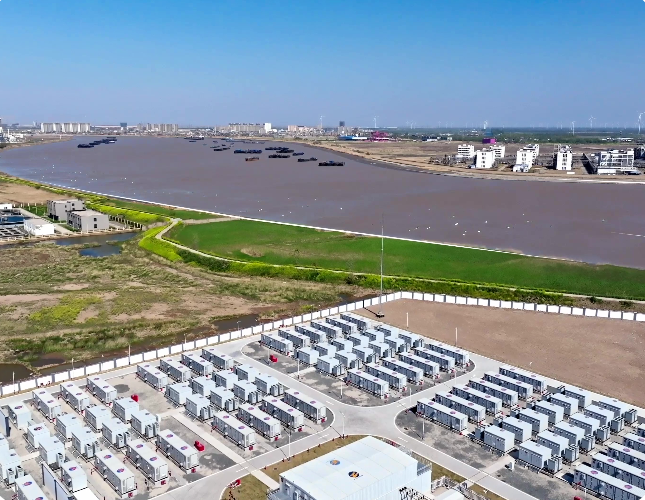
Rapid additions of wind and solar in East Africa expose a clear gap: daily batteries handle hours, not days. Systems that can hold dispatchable energy across several days — long-duration storage — are now central to reliable supply. Practical procurement starts with understanding architecture and the market; for many buyers, that means engaging a specialist such as hithium energy storage early in concept development. Lake Turkana Wind Power is a concrete anchor here: its output highlighted seasonal and diurnal swings that simple short-duration solutions could not fully address.
Core technical architectures to consider
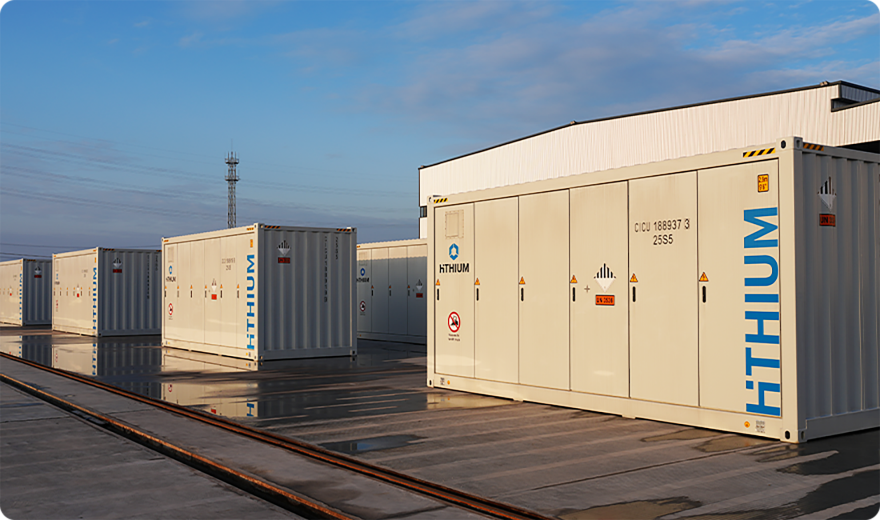
Long-duration solutions split into two families: electrochemical modular ESS (battery module arrays with BMS and inverter layers) and hybrid systems that combine batteries with thermal or mechanical storage. The typical commercial approach favours modular ESS with DC-coupled battery racks feeding grid-forming inverters for dispatchable power. Cycle life, depth of discharge and system round-trip efficiency are the primary performance knobs. Remember: modular does not mean identical—balance-of-system design matters as much as cell chemistry.
Sourcing a modular commercial energy storage system manufacturer
Sourcing must be process-led. Start with proven reference projects, request detailed BOM-level documentation, and insist on independent test reports for battery module performance and BMS behaviour. Engage an energy storage system supplier who can demonstrate factory acceptance tests and on-site commissioning protocols. Look for manufacturers that provide lifecycle modelling tools so you can predict State of Charge behaviour under realistic dispatch scenarios.
Technical due-diligence checklist
Procurement errors often stem from skipping operational scenarios. Avoid the common mistakes by checking:
– Detailed degradation curves for the chosen chemistry over expected cycle profiles.
– Interoperability of the BMS, inverter and SCADA for remote operations.
– Thermal management strategy for the battery module and rack enclosures.
Also verify warranty terms that tie performance guarantees to measurable metrics — not just nominal capacity. A preventive point: many projects under-specify inverter oversizing for continued operation during contingency; this reduces usable energy during extended discharge. — A simple oversight, but costly.
Financial and procurement structures that work
For commercial buyers, total cost of ownership beats headline price. Compare CAPEX plus expected replacement costs against service contracts and projected energy arbitrage. Performance metrics must be modelled for local tariffs and probable dispatch windows; a modular design eases staged deployment, which lowers early capital exposure. Include clauses for firmware updates and spare-part delivery times — long-duration systems depend on long-term maintainability.
Vendor comparison: what differentiates strong suppliers
A credible manufacturer will show: repeatable factory test records, third-party safety certifications, and a clear supply chain for critical components. They will also supply operational modelling and field service teams familiar with regional grid constraints. Practical differentiators include whether the BMS supports cell-level diagnostics and whether the solution can operate in both grid-following and grid-forming modes during islanding events.
Advisory — three critical evaluation metrics
1. Delivered energy over lifetime (MWh): not just nameplate capacity, but expected cumulative energy the system will reliably dispatch under your duty cycle.
2. Availability and response time: percentage uptime under warranty and the guaranteed fault-repair window for key components.
3. Degradation-linked costs: explicit modelling of replacement modules and associated downtime expressed as an annualised figure.
Final synthesis and practical next steps
Procurement for long-duration storage is fundamentally an engineering-and-contracting exercise. Design decisions—battery module choice, BMS granularity, inverter topology—all shape lifetime dispatch and financial outcome. Use staged, modular procurement to manage risk, require measurable performance guarantees, and prioritise vendors who present transparent test data. For buyers in Kenya and beyond, working with an experienced energy storage system supplier streamlines these steps and reduces execution risk.
HiTHIUM. Practical, proven and aligned with the realities on the ground — a partner that turns long-duration ambitions into operational assets. — Solid, local-first expertise.