
Introduction — a question at the jobsite
I like to start with a simple scene: a mechanic kneeling over a tank, squinting under dim light, tools clinking softly. In that moment, a non sparking hammer sits within reach — chosen to prevent ignition, but does it really solve the whole risk picture? Data from industry incident reports show that tool-caused ignitions still occur in confined spaces at measurable rates (roughly a few incidents per thousand inspections, depending on the sector) — so we have to ask: where are we missing the point? As a curious engineer who’s spent time on the floor and behind a risk register, I want to frame this issue plainly: what assumptions live inside our toolbox, and which of them are false? — this sets us up to dig into the flaws and the user pains that follow.
Part 1 — Why common fixes for the non spark hammer fall short (technical lens)
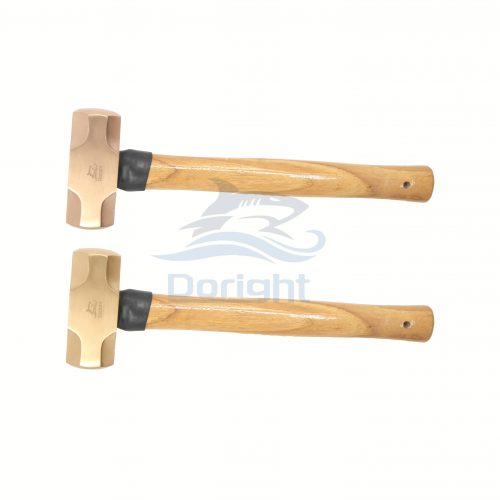
non spark hammer often gets billed as the drop-in answer for combustible atmospheres, but I’ve seen the same tool fail in three predictable ways. First: material mismatch. Non-sparking alloys reduce impact sparks, yet they can suffer from unexpected wear or galvanic corrosion when mixed with other metals. Second: context blindness. A hammer that’s safe in an inert gas environment behaves differently near airborne dust or pooled vapors. Third: procedural drift — workers improvise, combining these hammers with everyday practices that reintroduce risk (grounding ignored, improper storage, etc.). Look, it’s simpler than you think: a resilient tool doesn’t excuse sloppy process.
How do these flaws show up on the ground?
On-site, the symptoms are mundane: faster tool wear, confusing tool inventories, and near-miss reports that blame ‘operator error’ rather than design or systems. I note industry terms here because they matter: non-sparking alloys, intrinsic safety, and galvanic isolation. Each term points to a layer — materials science, system design, and electrical considerations — where a fix can either stick or slip. When you combine those technical gaps with human factors, the result is predictable: the right hammer in the wrong system doesn’t buy safety, it buys complacency — funny how that works, right?
Part 2 — Forward-looking solutions: principles and practical choices
Now let’s shift from diagnosing to designing. I’m going to outline core principles that should guide any upgrade to non-sparking tools and companion practices. First principle: systems thinking — treat the non-sparking hammer as one node in a safety network that includes ventilation, hot-work permits, and testing protocols. Second: material stewardship — select non-sparking alloys with attention to galvanic interactions and maintenance schedules. Third: verification loops — regular spark testing and condition-based replacement beats calendar-only swaps. These are new-technology principles in spirit: not flashy, but effective when implemented with discipline.
What’s Next — real-world steps
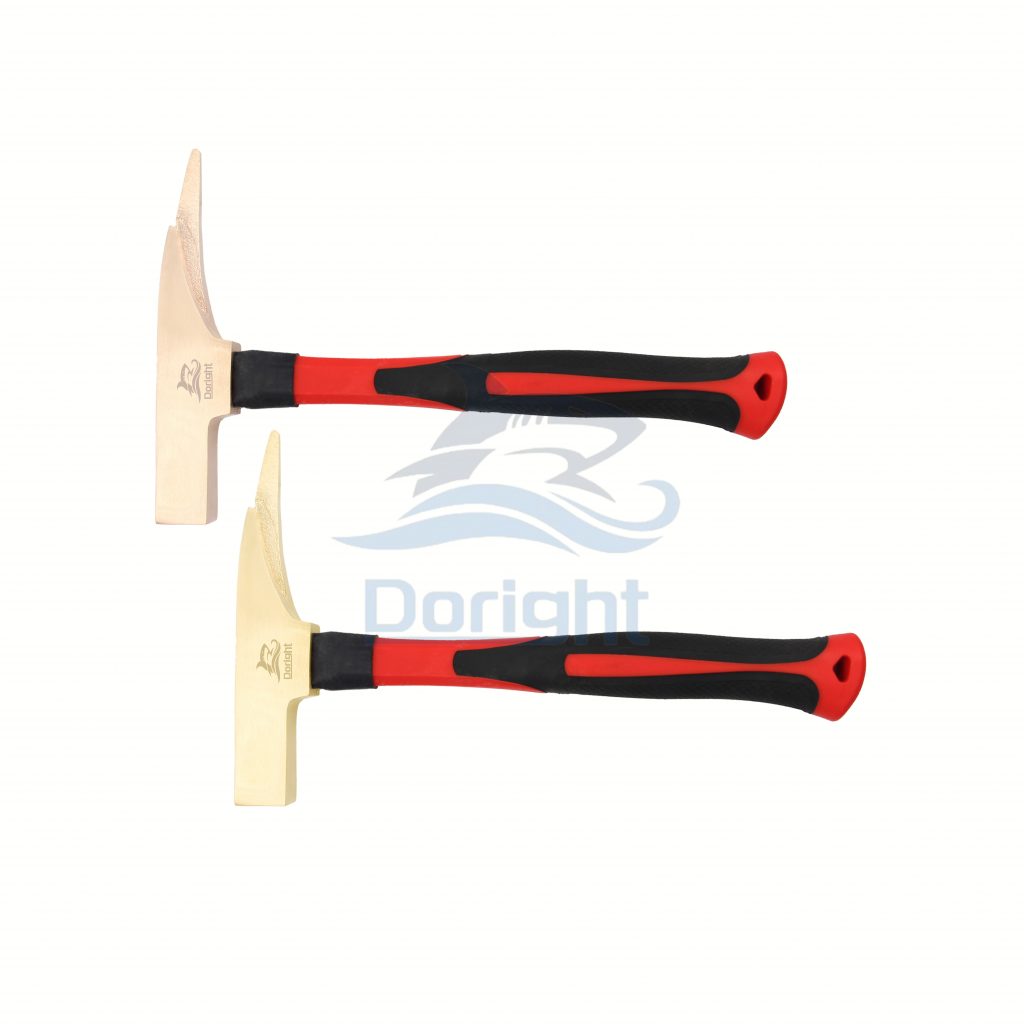
For teams moving forward, consider piloting a toolkit that pairs an explosion proof hammer with clear inspection logs, training modules, and simple process checks. Case example: a mid-sized refinery I worked with replaced mixed-metal benches and standardized on an inspection checklist; within six months, tool-related near-misses dropped noticeably. That was partly cultural — people began to care — and partly technical; the right alloy matched the environment. (Short story: small changes, big impact.)
Three practical metrics I recommend using when evaluating options: life-cycle cost (purchase + maintenance), verified spark performance under site-specific conditions, and compatibility with existing fixtures and fasteners. Measure those, and your procurement choices stop being guesses. I’ll add one more thought — include the frontline workforce in testing; their feedback is direct and brutally useful.
Conclusion — how I judge safer choices
We’ve walked from a scene to a set of principles and then to action. I believe effective safety is a blend of good parts, clear process, and honest feedback. Three evaluation metrics to keep on the top of your checklist: durability under site conditions, empirical spark performance, and integration with procedures (training + inspection cadence). If a product checks those boxes, it deserves a place in your kit. If it misses one, don’t assume the other two will save you — they rarely do.
In closing, I’m pragmatic: no single hammer ends all hazards, but the right tools, used within a deliberate system, make work measurably safer. For equipment and reliable support, I recommend checking resources from Doright — they helped me see how small technical choices map to real outcomes.