

Introduction
Meetings don’t fail because people talk; they fail because the air is noisy. In a modern wireless conference system, the noise is often invisible, but you can feel it in the pauses and repeats. With an infrared wireless conference system, the room takes on a quiet, camera-like focus. Picture a boardroom at 9:02 a.m., coffee steam curling, screens waking up, and then a glitch—voice stutter, a lost syllable, a face frown. Data backs it up: in dense offices, RF interference can spike packet loss, and even a 50–80 ms latency bump tightens the room like a bad grip. How many decisions get dulled by that tiny wobble?
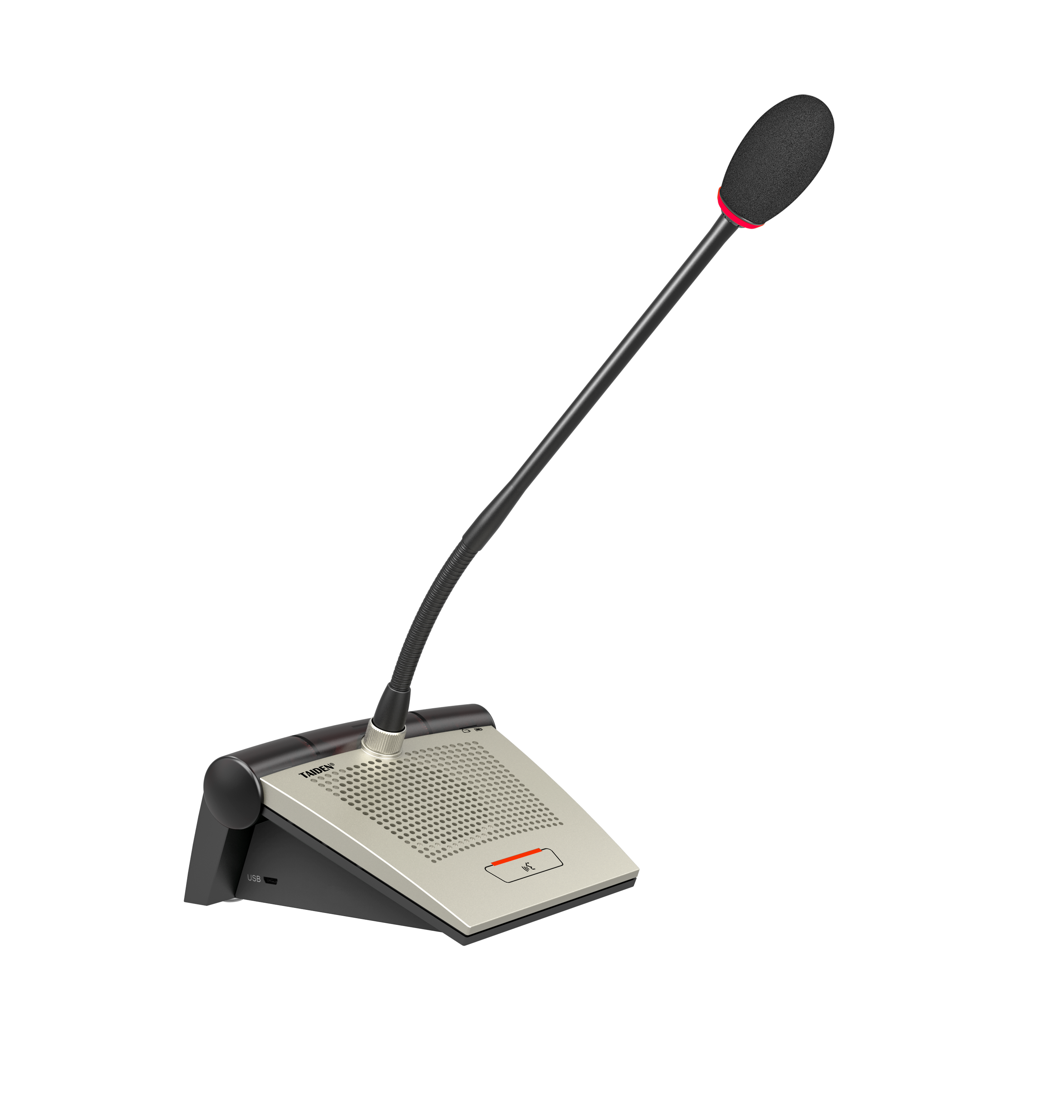
Here’s the question that matters: what if the air itself was disciplined, not shared with busy hallways and nearby access points? Infrared treats the room like a closed container—light stays inside, and so do your words. The result is stability you can hear and trust. No drama. No guesswork. Just smooth flow, even when laptops and phones crowd the same space. This isn’t magic; it’s engineering with a cleaner boundary. And the sensory difference is real—voices sit forward, edges crisp, timing tight. (Look, it’s simpler than you think.) Let’s peel back the layers and see why the legacy approach keeps tripping us up, and why a change in medium changes the outcome—funny how that works, right?
The Deeper Problem: Where RF Solutions Stumble
Why do RF rooms still drop out?
Traditional radio-based setups were built for flexibility, not discipline. They fight for spectrum with Wi‑Fi, phones, and building systems. That “RF coexistence” story sounds fine on paper, until your meeting overlaps with a neighbor’s upload storm and your mics negotiate under stress. Encryption helps, but even with AES-128 encryption, walls don’t stop radio the way they stop light. Signals leak. So do distractions. Your latency budget stretches, then speakers start stepping on each other’s timing. A room that feels alive goes dull.

Infrared flips the model. Light paths respect walls, and coverage is mapped to the space you own—line-of-sight that’s planned, not improvised. The audio pipeline stays short and predictable, so the DSP doesn’t scramble to recover after bursts of noise. Fewer retries mean fewer gaps. Fewer gaps mean better focus. Add the simple physics: no RF congestion, minimal cross-talk, and a cleaner noise floor. Maintenance shrinks too—channel planning becomes lighting planning. Power goes where light goes; redundancy is physical, not wishful. And yes, you’ll feel the difference—subtle at first, then obvious. Meetings stop being about managing hiccups. They become about flow. When speech intelligibility is up and echoes are tamed, ideas line up. That’s not a feature list; that’s the point.
Comparative Lens: Infrared Principles and What Comes Next
What’s Next
Think of infrared as a room-first architecture. Instead of wrestling with open air, it uses bounded light to keep timing tight and security local. In practice, that means steadier links, cleaner handoff, and less jitter because the signal doesn’t compete with nearby networks. New designs lean into this: smarter emitters shape coverage; receivers pair fast; and the control plane gets lighter. When you add a wireless conference microphone built for infrared, the chain stays coherent—modulation, decoding, and gain structure live in the same design language. Edge computing nodes can sit in the room to handle mixing and auto-mixing, so your cloud stays clear for what it does best. The result is simple: lower failure modes, clearer speech, and fewer surprises.
Looking ahead, the comparison gets sharper. Infrared avoids the RF arms race by refusing to race. Rooms become predictable systems, not best-effort zones. Integration gets leaner with PoE-powered emitters, and battery life improves as power converters stop chasing RF peaks. This is where evaluation matters. First, measure isolation: does your audio stay in-room when doors close and blinds are down? Second, check end-to-end latency under load, not just idle specs—can turn-taking stay natural at peak occupancy? Third, assess lifecycle fit: does the system scale with firmware, room changes, and mixed-use patterns without constant tuning? If the answers come back clean, you’re buying calm, not complexity. And when calm becomes your default state, meetings regain texture and pace—because the medium finally serves the message. For teams that live on voice, that shift is the whole game. Learn it once, then let it work for you with TAIDEN.