
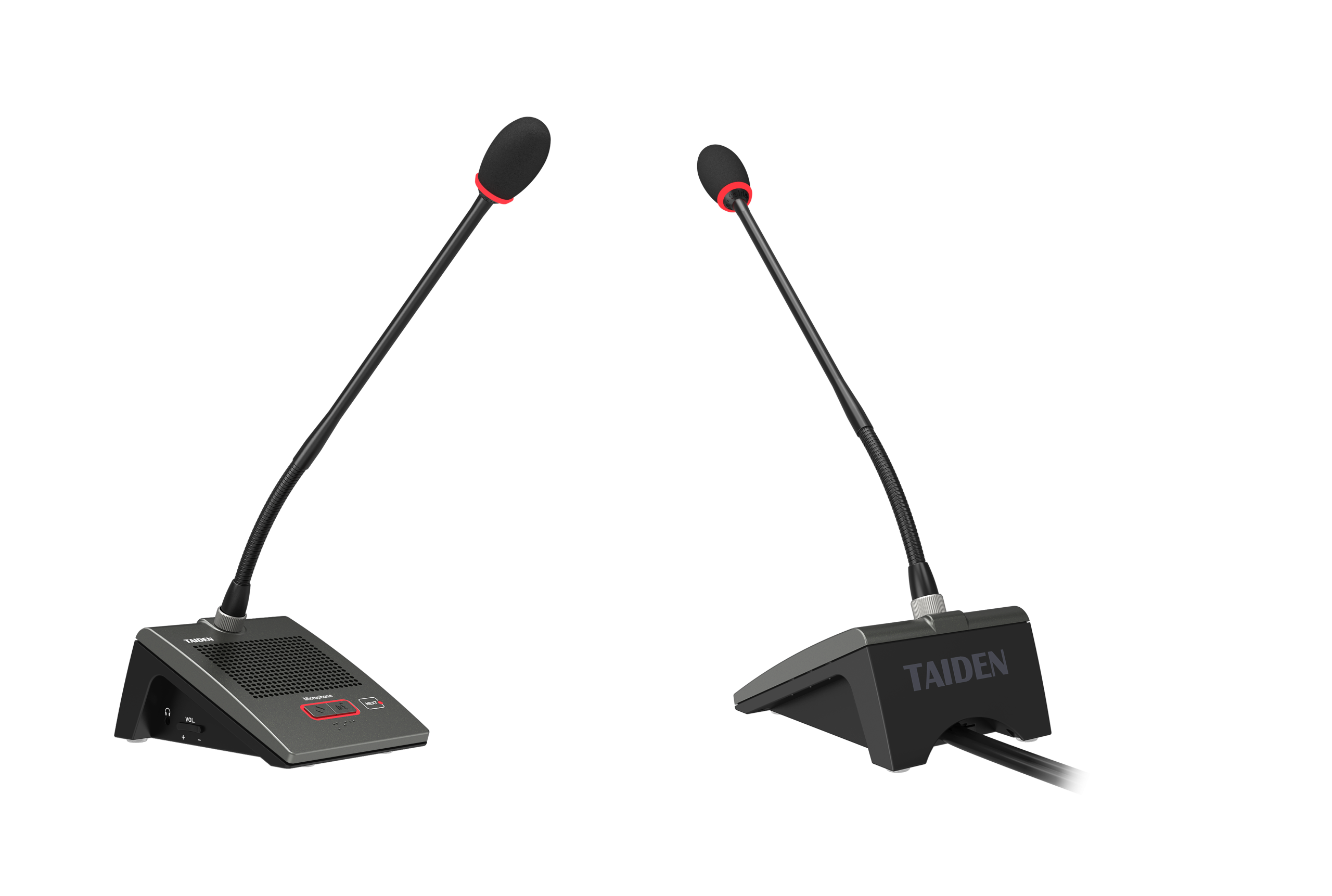
The Moment Sound Decides the Meeting
Great meetings start with clear sound—no ifs, no buts. Your conference room speaker and microphone system decides whether ideas land or get lost. Picture a quarterly review: remote leads speak, the panel leans in, and the room mics pick up chair noise instead of voices. In many teams, minutes per hour get wasted repeating lines and fixing volume. That cost adds up, not just in pesos, but in focus and trust. Now ask yourself: when people say “sorry, come again,” is it a hardware issue, a room problem, or both?
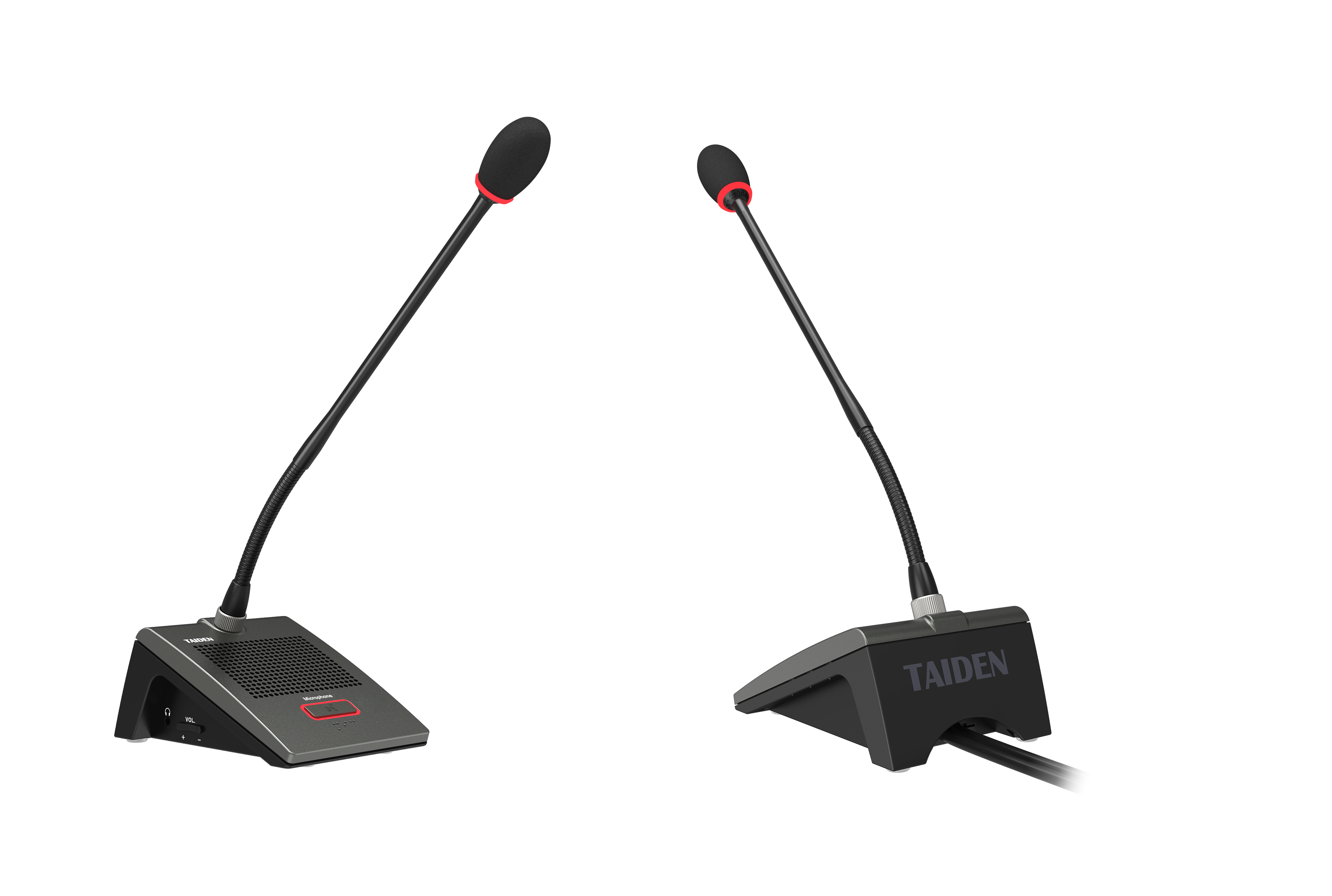
The fix isn’t just buying more gear. It’s about matching coverage, gain structure, and echo control to your real space. (Sige, let’s be practical.) Small rooms need nearfield pickup; boardrooms need managed zones and stable acoustic echo cancellation. And yes, even a solid setup can fail if the workflow isn’t simple. So here’s the challenge: how do you compare options without overengineering? Let’s map the usual pitfalls and the smarter way forward—then pick what fits, not just what’s fancy. Tara, proceed to the deeper layer.
Deep Dive: Why Traditional Setups Struggle When Rooms Get Real
Where do legacy systems fall short?
Technical view first. Many traditional kits assume “one room, one mic, one speaker” logic. But rooms vary in noise floor, seating density, and reflection paths. That is why modern digital audio products focus on managed signal flow, not just louder output. Without proper DSP, beamforming, and acoustic echo cancellation, a table mic will chase voices and boost HVAC rumble—funny how that works, right? The result: unstable gain, harsh EQ, and listener fatigue. Add unmanaged latency across USB extenders, and far-end talkers feel a half beat late. The fix needs system-level thinking: calibrated pickup patterns, auto-mixing, and consistent SNR at each seat.
Another flaw: patchwork installs. You see ceiling speakers from Brand A, boundary mics from Brand B, and a power injector that starves PoE class. Then the soft codec updates, breaks a driver, and the room falls silent before a pitch. Look, it’s simpler than you think—choose components built to interoperate and to hold settings through reboots. Standardized audio transport like Dante or AES67 reduces spaghetti runs. Edge DSP nodes keep AEC local, so calls survive network hiccups. And if you must scale, remember the latency budget: keep end-to-end under roughly 25 ms to preserve natural turn-taking. That’s the real bottleneck: not volume, but controlled, predictable clarity.
Comparative Outlook: New Principles vs. Old Habits
What’s Next
Moving forward, think principles, not boxes. Old habit: drop a USB mic, hope for the best. New approach: design for coverage uniformity and adaptive pickup. Today’s arrays steer beams to active talkers; auto-mixers gate noise; and networked amps manage power converters with real diagnostics. In practice, that means fewer hot spots and fewer “hollow” voices at the edges. Pair this with managed audio visual conference equipment and you gain remote monitoring, profiles per room type, and firmware that keeps pace with hybrid platforms. Semi-formal take: compare systems by how well they handle change—new tables, more people, a different codec—without tearing up the ceiling grid.
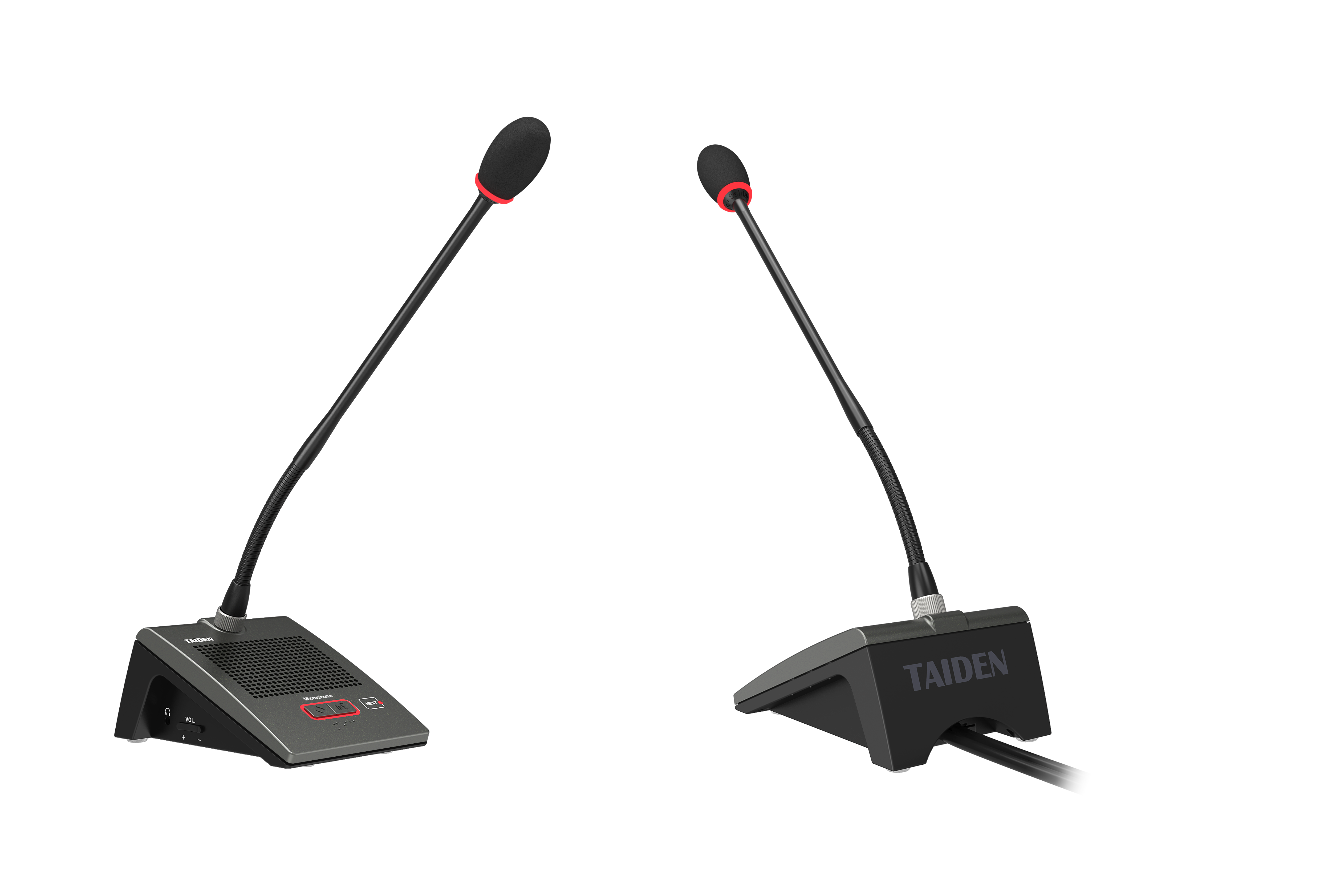
Here’s the quick synthesis. From Part 1, we saw that clarity rules attention. From Part 2, we learned that unmanaged setups fail under real-world acoustics and workflows. Now, choose with three metrics in mind: first, intelligibility (aim for consistent speech clarity across seats, often reflected by stable STI or user feedback after two meetings); second, coverage delta (keep level variation within about ±3 dB SPL across the table); third, resilience (monitoring, failover paths, and end-to-end latency kept tight). Build on these, and your team stops repeating lines—and starts solving problems. One last thought—rooms change faster than budgets, so pick a platform that scales without rewiring. For further study and options grounded in integrated design, see TAIDEN.