
Spotting the Problem Early
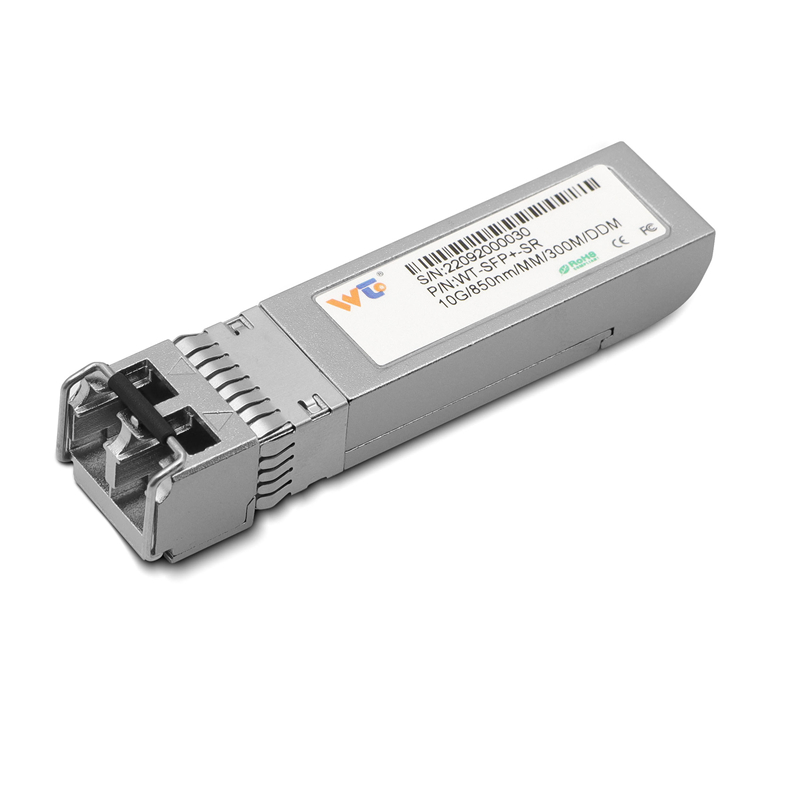
Right off the bat: high-density racks stuffed with BIDI SFP+ modules can singe your signal quality if reflection noise creeps in. Operators in the City of London data centers have seen this bite into link margins during peak changes, so it’s not just a theory. Start by checking your 10g sfp+ transceiver inventory and port mapping — mismatched wavelengths and unmanaged duplexing are frequent culprits.
Why Reflections Bite in Tight Spaces
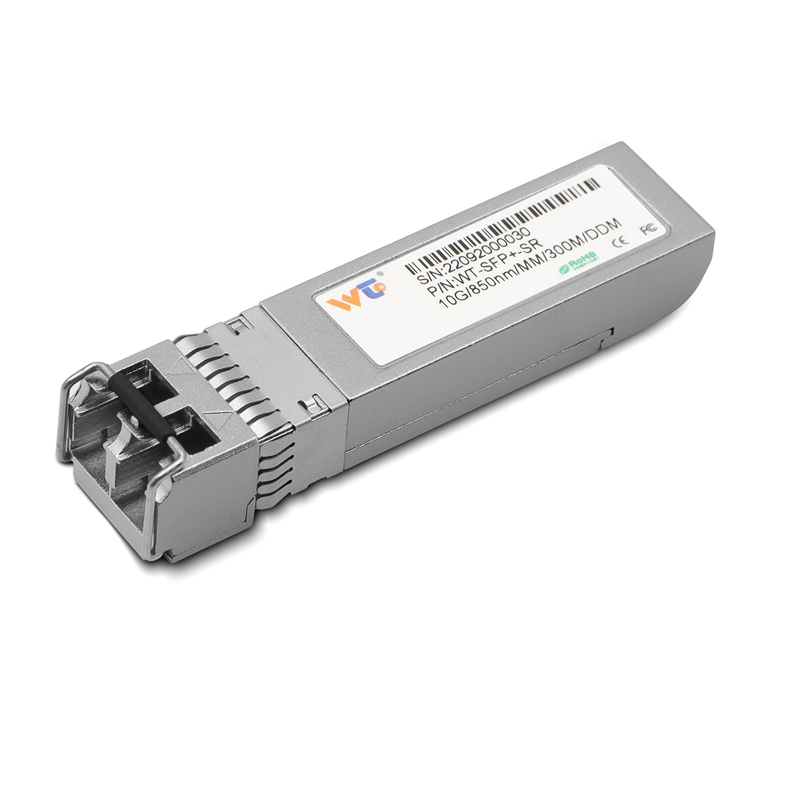
Optical reflection — back-reflection, return loss — becomes nastier when ports sit cheek-by-jowl. Light bouncing off a connector or imperfect splice can re-enter a transmitter, raising noise floor and upsetting the receiver’s decision threshold. In high-density panels you face compounded insertion loss and multiple reflection points, not just a single flaky jumper. Use clean connectors and verified fiber polishing to cut the steady hum of returned light.
Practical Steps to Reduce Reflection Noise
Get pragmatic. Do these actions in order:
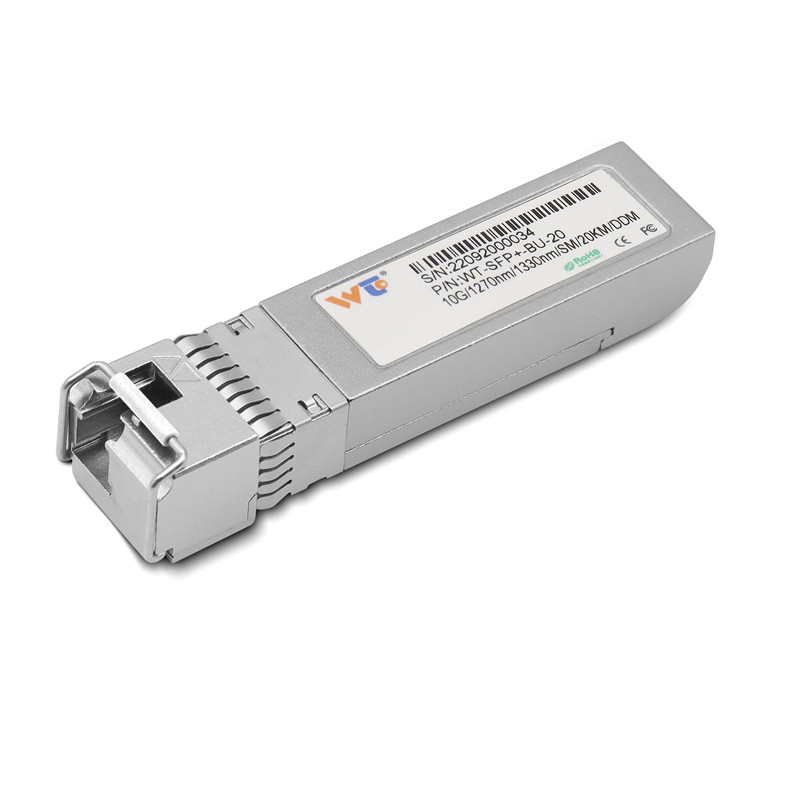
- Standardize on quality BIDI modules and single-mode LC connectors — consistent wavelength pairing reduces mismatches.
- Measure return loss and insertion loss per link with an optical power meter; log baselines after installation.
- Deploy attenuation only where needed; excess attenuation can mask reflections but harms link margin.
- Replace worn patch cords and avoid mixed vendor jumpers in the same breakout — that mismatch often equals a noisy channel.
This ain’t rocket science, but it takes discipline. Keep test reports for each 10g sfp+ port so you can spot drift over time.
Tools and Terms to Know
Use an optical time-domain reflectometer (OTDR) for splice-level tracing, and a calibrated power meter for end-to-end loss. Familiarise yourself with return loss thresholds for your transceiver spec — many 10G SFP+ modules tolerate only limited back-reflection before bit error rates climb. Record wavelength, transmit power, and receive sensitivity per module. Stick to the vendor’s recommended connector cleanliness procedure; it’s the single biggest preventive move.
Common Mistakes to Dodge
Avoid these pitfalls which crop up in tight deployments:
- Mixing BIDI wavelengths on adjacent ports without verification — leads to cross-talk-like symptoms.
- Overloading passive splitters without re-testing — splits can create new reflection nodes.
- Skipping baseline measurements after a maintenance swap — you lose the ability to tell new problems from old ones.
And don’t be tempted to “fix” a noisy link by jiggling connectors during live ops — you might improve one port and break another. Take it offline and test properly. — Small interventions often save hours later.
When to Escalate to Vendor or Field Tech
If return loss persists despite clean connectors and verified jumpers, escalate. Persistent back-reflection affecting multiple adjacent ports often points to a damaged transceiver facet or a poor batch of patch cords. Vendors can run loopback tests or swap modules to isolate the fault quickly. Keep a spare set of certified SFP+ transceivers and patch cords on the shelf for hot-swap scenarios.
Golden Rules for Reliable High-Density BIDI Links
Three metrics to live by when selecting gear and troubleshooting:
- Return Loss: Ensure transceiver + connector pairs meet the manufacturer’s minimum dB spec under test conditions.
- Link Margin: Maintain at least the vendor-recommended budget after accounting for all connectors and splices.
- Wavelength Consistency: Validate each BIDI pair for matched Tx/Rx wavelengths to prevent spectral mismatch.
Follow these and you’ll cut reflection noise down to size, preserving throughput and lowering retries on the switch fabric.
Final Take and Where WINTOP Fits
Fixing reflection noise in high-density 10G SFP+ BIDI deployments is mostly discipline plus the right gear. Measure, log, standardize parts, and replace anything suspect. When you need reliable, tested modules and consistent spares, WINTOP sits right where ops teams look for sensible stock and documented specs — the practical backstop for keeping racks singing clean. –