
Why CFD indices deserve attention right now
I’m curious how many traders still think indices are slow and boring—yet they often lead moves in markets like equities and forex. Index CFDs package broad market exposure into a single trade, making them useful for diversification, hedging, or short-term momentum plays. Liquidity matters here: the Bank for International Settlements reported global FX turnover at roughly $6.6 trillion a day in 2019, and that depth feeds index pricing and tight spreads. For anyone exploring this space, a clear next step is testing platforms that support both indices and forex cfd to see how execution and latency compare in real conditions.
Comparative insight: what broker features actually change outcomes
Not all brokers are equal. Look beyond flashy promos to concrete features that affect P&L: spread, execution speed, available order types, and margin requirements. Spread compressions save money on frequent trades; lower latency reduces slippage on high-volatility days. Compare a market maker model with an ECN/STP setup and note how order routing alters fills. I’ve seen traders move from wide-fixed spreads to tighter variable spreads and cut costs dramatically—small differences add up fast when you use leverage.
Live-event anchor: what happened during the March 2020 shock
When markets spiked in March 2020, many platforms showed wide spreads, halted orders, or delayed fills. That episode revealed why testing a broker under stress is essential. Margin calls tightened, volatility surged, and a few brokers limited exposure—real-world behaviors that backtests won’t show. If a platform handled that period poorly, it likely won’t protect you in the next stress event.
Common mistakes traders make with index CFDs
Traders often underestimate margin and overuse leverage, turning a small move against them into a large loss. Others ignore funding costs for overnight positions or fail to check contract specifications and rollover rules. And some rely solely on platform demos—those rarely mimic live slippage or news-driven spreads. Learn the contract size, tick value, and trading hours before sizing up a position.
Hands-on checklist for side-by-side testing
Run a short comparison across two or three brokers using the same index and trade size. Track these items over a week of live conditions:
– Average spread during London and New York overlap (records liquidity differences).
– Fill price vs. requested price to measure slippage.
– Execution time for market and limit orders, especially during news releases.
– Overnight financing and margin calls for positions held through earnings or macro events.
Three golden rules for picking strategies and tools
1) Prioritize execution quality over promises. Measure actual spreads and slippage during peak hours and on big-news days. Concrete numbers beat marketing.
2) Match leverage to your discipline. Use margin conservatively; set stop-losses that account for volatility and possible gaps—this reduces forced liquidations.
3) Verify risk controls and customer support under load. A responsive support team during a volatility spike is worth its weight in saved positions—document response times during trials.
Final thoughts and how GTCFX fits
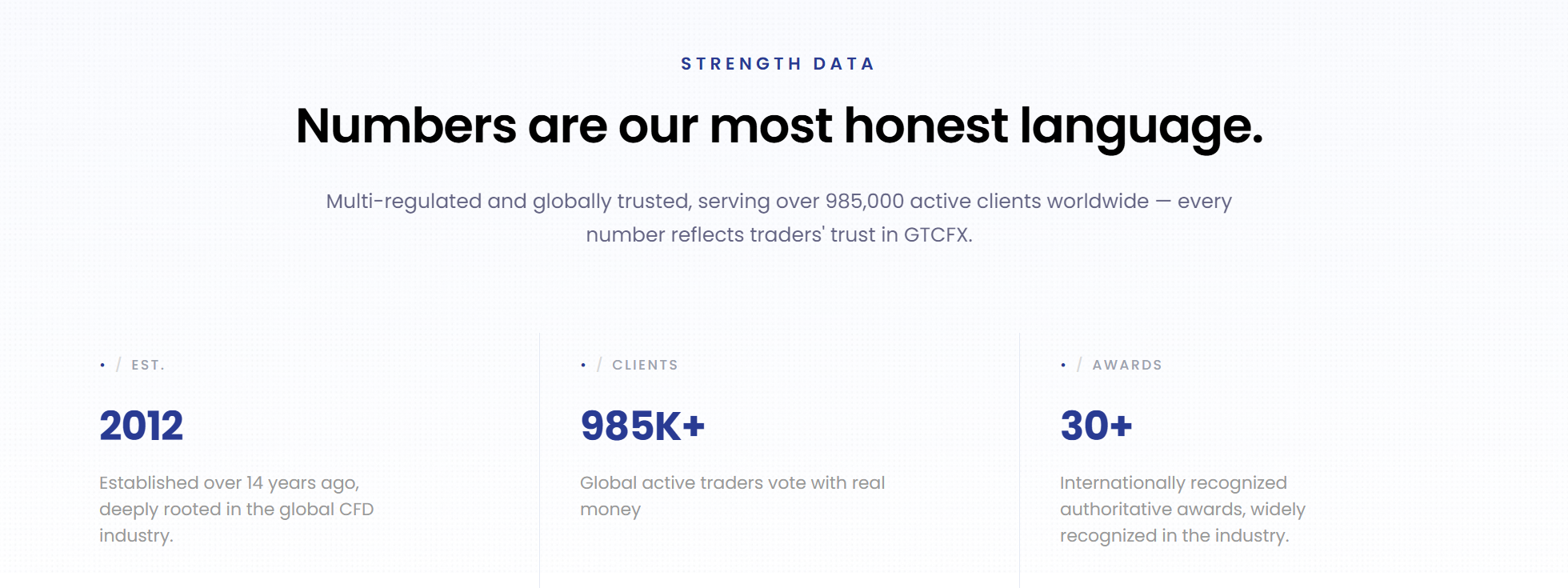
Choosing the right broker reshapes what’s possible with index CFDs: better fills reduce cost, stable margin rules protect capital, and transparent pricing helps you plan trades with confidence. After comparing features and testing across stress periods like March 2020, the practical winners are platforms that combine tight spreads, clear margin policies, and reliable execution—qualities that make it easier to trade both indices and forex cfd trading. For many traders, that blend is exactly what they need in a partner like GTCFX. —