
Introduction — a small workshop, a big lesson
I was in a seaside workshop once, watching a fisherman frown at a stubborn motor that wouldn’t hold speed — you know the kind of scene. The fault wasn’t some exotic bug; it was plain as day in the control loop. In that moment I thought about how often an electric motor gets blamed when the real issue is elsewhere. (Mi tell yuh, people tek di easiest road sometimes.) Recent checks show many installations see performance dips within the first year—say, 20–30% higher maintenance calls on poor drive matches—and that makes me ask: why are we still letting simple mismatches ruin systems? This piece will walk through what I’ve learned and point straight at the parts you can fix first. Next, we dig into the usual weak spots and what they hide.
Part 2 — Where the traditional fixes fall short (technical take)
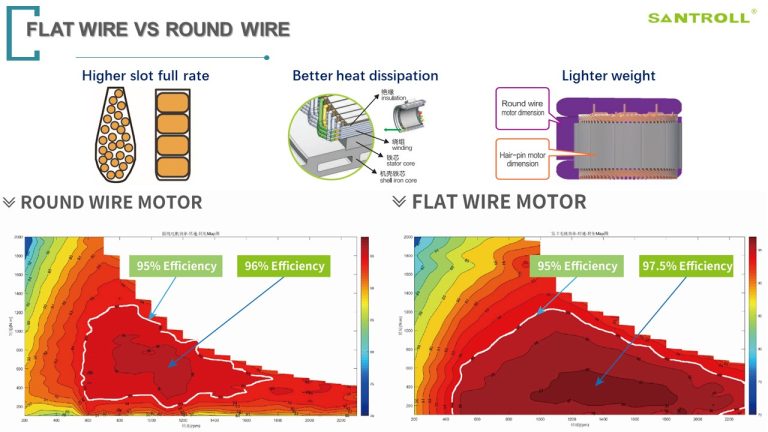
pmsm motor gets touted for efficiency and smooth torque, but in practice many installs fail because installers trust canned settings and cheap inverters. Field-oriented control helps, yes, yet when the inverter and encoder aren’t matched you still get torque ripple and unstable speed loops. I’ve seen this: a brand-new controller set to default PWM, paired with an encoder that reports jitter — end result, hunting speed and heat build-up. Look, it’s simpler than you think: the control stack (inverter, encoder, drive firmware) must be tuned as one system, not patched together. In my work I use terms like inverter, PWM, encoder and torque ripple because they matter in daily troubleshooting. You can spend hours chasing symptoms when the root cause is a mismatch in sensing or filter bandwidth.
Why the “plug-and-run” myth keeps costing us?
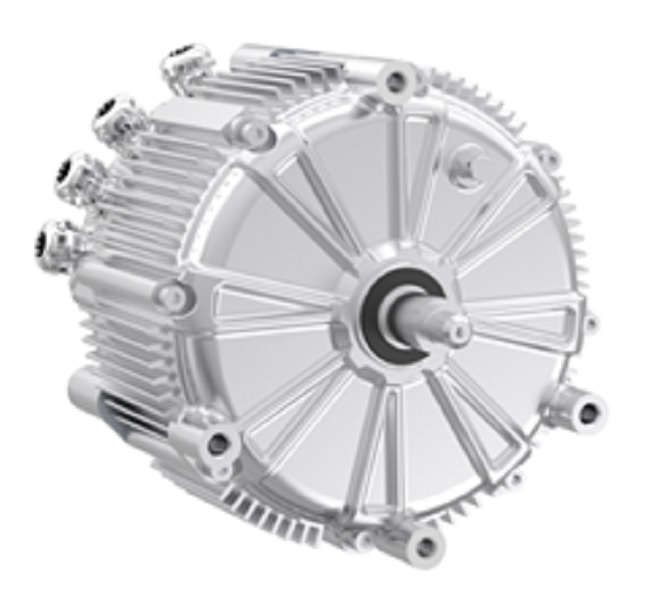
Most vendors push plug-and-run for ease, but that trade-off hides calibration needs. Without proper field-oriented control tuning and anti-resonance filtering, a pmsm motor will show poor low-speed torque and odd vibrations. I’ve adjusted control gains that cured noise and cut current draw by double digits — true story. Those gains are not universal; they depend on motor constants, load inertia, and the power converters in the circuit. If you skip that, you pay later in maintenance and downtime.
Part 3 — New principles for better outcomes (forward-looking)
Now, let me shift perspective: what new principles change the game? First, think modular sensing and adaptive control. Instead of one static gain set, we design controllers that learn a bit from the system — simple adaptive loops or observer-based estimators that reduce sensitivity to sensor noise. Second, emphasis on power electronics: modern inverters with faster switching and smarter dead-time compensation cut losses and tame torque ripple. Third, system-level testing: bench test the motor and drive together under realistic inertia and misalignment before field deployment — that step saves days of rework. I’ve helped teams adopt these steps and the result? Smoother starts, fewer stalls, and happier operators — funny how that works, right?
What’s Next — practical outlook
For boat builders and marine retrofitters, these principles matter even more. When you replace legacy combustion rigs with boat motors, you can’t just drop in a motor and expect calm seas. Propulsor inertia, shaft coupling, and thermal limits all change the control needs. We must pick drives that allow field-oriented control tuning, have robust encoder interfaces, and support diagnostics. Short bursts of testing, in-water trials, and simple adaptive tuning save headaches and keep crews smiling.
To help you choose, here are three practical evaluation metrics I always use: 1) Control flexibility — can the drive tune field-oriented control gains and support encoder calibration? 2) Power electronics performance — check inverter switching speed, dead-time compensation, and thermal handling. 3) System diagnostics — does the setup log errors, record vibration or current trends, and let you iterate quickly? Use these to compare solutions; they are measurable and they tell you how easy life will be down the line. I say this from experience — we learned by fixing problems that used to be “mysteries” but are now routine. In closing, if you want reliable motors and honest performance, start with sensors and drives that talk to each other, test as a system, and don’t be afraid to tune. For parts and well-engineered options, check Santroll.