
Problem statement: why preventive care matters
When an inverter quits during a blackout, you don’t want guesses — you want known fixes. Most failures start small: dusty heat sinks, loose DC terminals, or a clogged fan bearing. If you rely on a hybrid inverter to switch between solar, battery, and the grid, those small issues become immediate downtime. After the February 2021 Texas winter storm showed how quickly the grid can fail, the value of predictable hybrid system behavior became obvious to installers and homeowners alike.
Top failure modes and what to look for
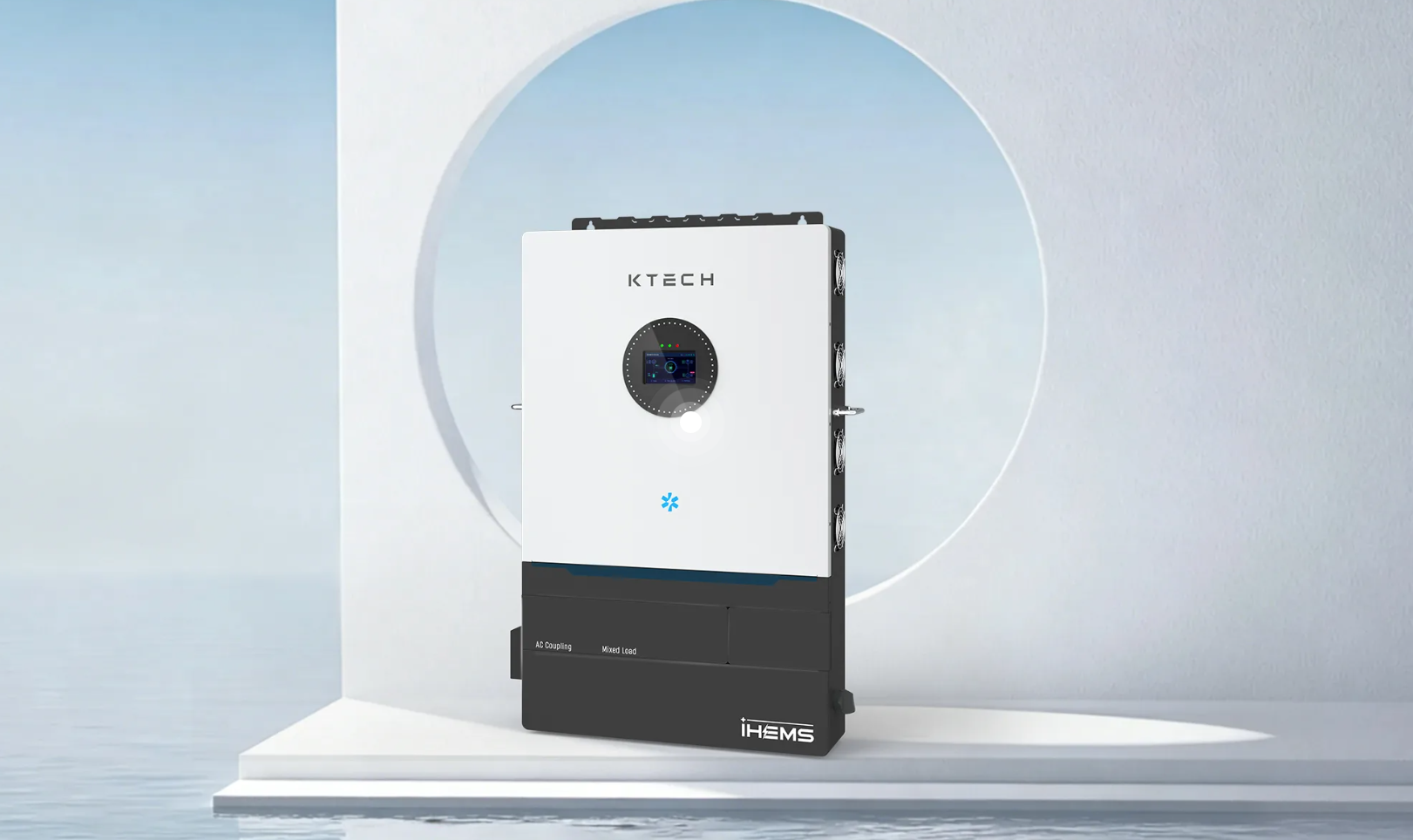
– Overheating: high internal temps, thermal trips, reduced charging rates. – Battery interface faults: bad shunts, corroded lugs, wrong battery settings. – AC-side issues: loose mains connection, tripped breakers, unstable utility waveform. – Control-board faults: swollen capacitors, broken solder joints, failed relays. – Environmental damage: moisture ingress, rodents chewing cables, salt corrosion. Check symptoms: unusual fan noise, amber LEDs on the front panel, unexpected restarts, or a steady fault code on the display.
Preventive checklist — tasks and cadence
Daily quick check: glance at status LEDs and the inverter display; confirm battery state-of-charge and charging current. Weekly: wipe dust from vents; verify no obstructions to airflow; confirm AC breaker positions. Monthly: tighten battery and DC cabling (torque to manufacturer spec); inspect connections for heat discoloration; log error events. Quarterly: measure battery voltage under load; test transfer relay timing; clean fan blades and check for play. Annually: open the unit (if rating and warranty allow) to inspect caps and solder joints; replace fans if noisy; verify firmware is current with vendor notes. Record each action in a simple log — date, task, measured values, and any corrective action.
Tools, measurements, and safety
Required tools: insulated torque wrench, DC-rated multimeter, clamp ammeter, thermal camera or IR thermometer, replacement fuses, contact cleaner, and a calibrated battery hydrometer if using flooded cells. Safety rules: isolate DC and AC sources before touching terminals; remove jewelry; use fused test leads for continuity checks; wear insulated gloves when working on the battery. Measurement targets: acceptable DC ripple, inverter internal temp under rated load, battery internal resistance trend. If readings exceed expected ranges, stop and troubleshoot.
Triage steps for common faults
If inverter won’t start: confirm mains and battery voltages at terminals, check DC fuses, and inspect for visible PCB damage. If inverter trips under load: reduce load, monitor temperature, check fan operation, and test transfer timing. If charging is inconsistent: verify battery chemistry settings, check PV array open-circuit voltage and MPPT current, and inspect DC isolator. If intermittent faults occur: run a 24-hour stress log to reproduce fault conditions, note environmental factors like temperature swings or grid instability.
Common mistakes that shorten service life
– Leaving the enclosure sealed in a dusty or coastal environment without filtration. – Using the wrong battery chemistry setting for the installed bank. – Overlooking torque checks; a hand-tight terminal can loosen under vibration and heat. – Performing firmware updates without reading release notes for bug fixes or compatibility. Avoid these and you preserve inverter uptime and battery longevity.
When to call a technician and what to expect
Call a qualified tech when you hit PCB damage, unexplained smoke, or repeated faults after basic triage. A pro will bench-test power modules, check internal filter caps for ESR, and run a controlled load test. Expect them to bring a calibrated clamp meter, spare fuses, and a laptop for firmware and event log downloads. If your setup is part of a broader hybrid solar power system, confirm the tech understands inverter-to-battery communication and grid-transfer logic.
Wrap-up: keep it mechanical, keep it steady
Routine checks, correct torque, and clean airflow fix most problems before they trip you out. A clear log and the right tools let you spot trends instead of chasing one-off failures. For reliable hybrid inverter behavior and fewer surprises, lean on honest inspection and measured fixes — the practical approach installers and system owners trust when they need consistent power, like operators who stabilized critical loads after grid failures. For steady results that span specification, installation, and long-term service, the real value appears through disciplined maintenance and partners who understand the system, such as Ktech.