
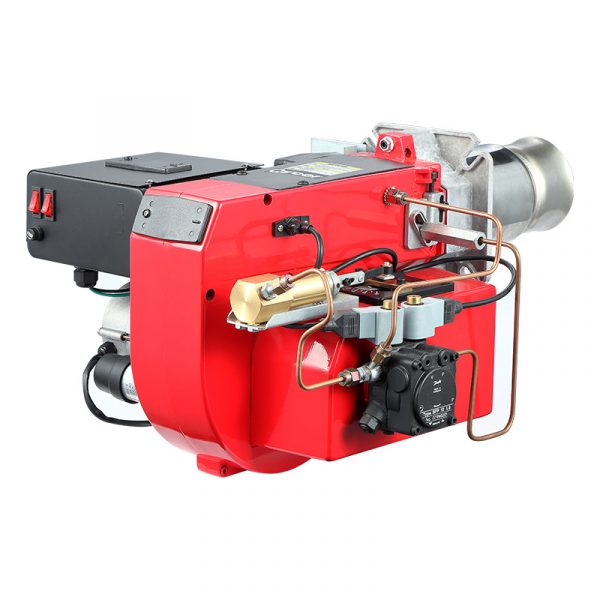
The immediate problem: heat that costs more than it should
The plant smells of oil and scorched metal; heaters cough, cycles wobble, and waste oil piles up beside drums. Managers want steady temperatures without ballooning fuel bills or messy disposal. A cleanly designed industrial oil burner can turn that scrap into predictable heat, but many retrofits fail because teams treat the burner like a box to bolt on rather than a system to tune.

Where systems fail first
Poor atomization gives uneven flame and soot; neglecting pre-filtering chokes nozzles; sizing for peak load leaves low-load cycling and wear. The result is smoky exhaust, wasted oil, and frequent service calls. These are mechanical problems with sensory warnings: black soot, a metallic tang in the air, and a rhythm of on-off cycling that should make operators uneasy.
Real-world experience that matters
During a retrofit at a steel foundry in Pittsburgh I audited combustion patterns and measured fuel feeds, then specified a high efficiency oil burner matched to the plant’s heat curve; the change cut soot and stabilized temperatures. That practical work—seeing flame color, feeling heat transfer, timing start-up cycles—teaches what drawings alone do not.
Design steps that fix the problem
Match burner capacity to average load, not just peak; condition recycled oil with settling and filtration before it reaches the pump; select nozzles and air registers that produce a firm, blue-centered flame rather than a lazy orange one. Do simple tests: spray pattern checks, combustion gas spot measurements, and timed start-stop cycles. Treat controls as part of combustion: soft-start fuel metering prevents slugging and short cycling.

Common installation mistakes to avoid
Skipping pre-treatment; underestimating flue draft requirements; ignoring pump inlet conditions; relying only on factory presets. Each mistake shows up in a sensory way—chatter from the pump, smoky exhaust, uneven floor temperatures—and each has a clear fix: correct filtration, install draft controls, insure flooded suction or proper NPSH, and tune the controller to your actual load profile.
Alternatives and the trade-offs you must weigh
Natural gas yields cleaner combustion but depends on predictable supply and price; biomass can be sustainable but demands more space and ash handling; electric heat is precise yet expensive at scale. Recycled-oil systems strike a middle ground when you have an available feedstock and need scalable heat with manageable capital and service requirements.
Maintenance checklist that keeps heat steady
Inspect and clean nozzles monthly during heavy use; verify filtration integrity and change elements on pressure drop, not an arbitrary schedule; log flame color and stack temperature weekly; keep spare nozzle kits and pump seals on-site; calibrate the air-fuel ratio after any fuel-source change. These concrete actions stop small issues from becoming shutdowns.
How the right partnership finishes the job
Think of the burner like a recipe: correct ingredients, precise timing, and attention to texture. When teams pair accurate combustion hardware with disciplined pre-treatment and simple maintenance, recycled oil becomes predictable heat rather than a liability. Practical suppliers and service partners who combine component quality with on-site tuning deliver that outcome—just the kind of integrated approach you’ll find described by Career Burners.