
Start with the person who will hold it
You begin by listening: what problem will the part solve, how will a user hold it, and which small imperfections matter to them? That user-first thinking changes every choice — material, finish, tolerances, and how many prototype iterations you schedule. Use rapid CNC runs to test fit, ergonomics, and assembly sequence, and when you’re ready to validate manufacturability, consider custom injection molding services to mirror production behavior without committing to long-term tooling too soon.
Map prototypes to decisions, not to milestones
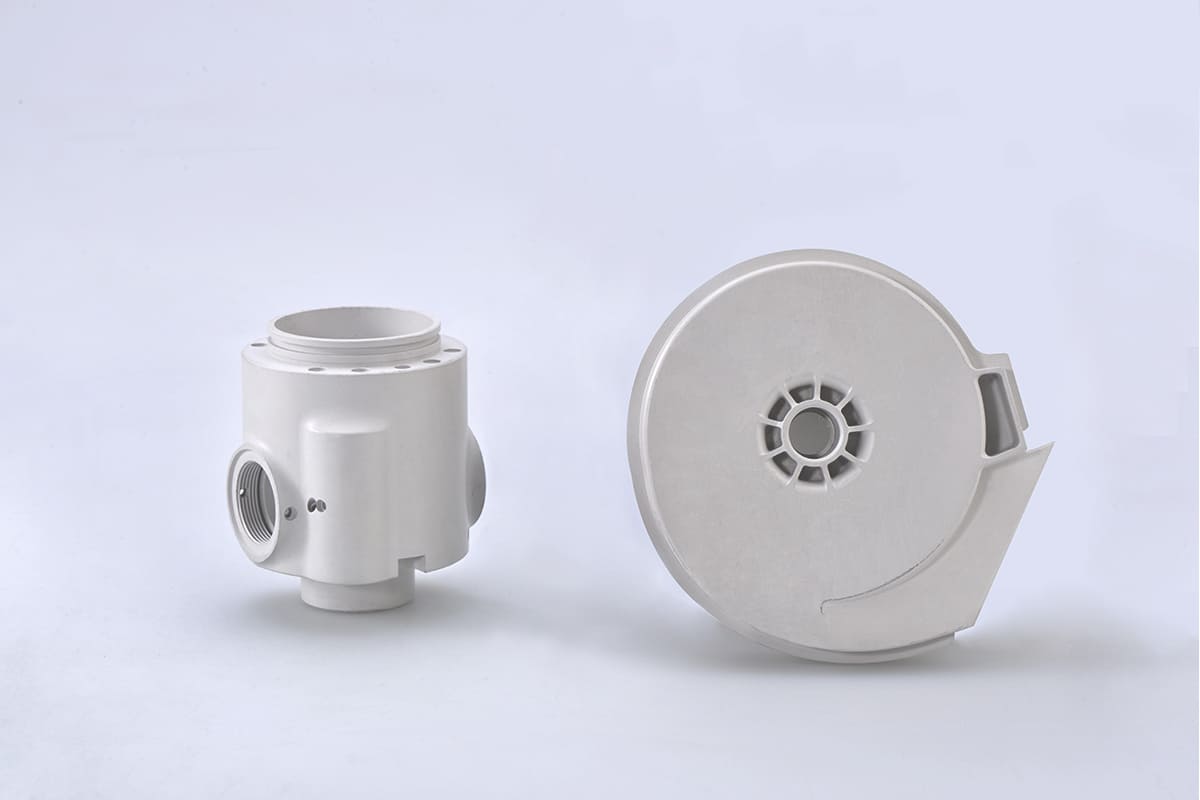
Treat each prototype as an answer to a single question: does this shape feel right? does this wall thickness yield the right stiffness? does this snap-fit survive repeated cycles? CNC prototypes give you dimensional fidelity and material heft you can hold — they’re answers, not trophies. Plan prototypes so each one reduces a specific risk: ergonomics, assembly, sealing, or cosmetic finish. Stop iterating when the hypothesis tied to that prototype is proven or disproven.
Know when to switch methods — and why
CNC is excellent for shape, material feel, and rapid changes. Injection molding is for repeatable parts at scale and offers surface cost that CNC can’t match once volumes rise. Move toward molds when design decisions stop changing and when per-part cost at your target volume justifies tool expense. Common missteps: rushing to a mold with unresolved snap-fit geometry, underestimating tooling lead time, and testing with the wrong polymer. Each leads to costly redesigns and schedule slips.
Experience, standards, and a real-world anchor
I’ve run prototype programs alongside manufacturing partners in Shenzhen’s manufacturing ecosystem and learned how design choices map to production realities: gate placement, draft angles, weld lines, and material selection all change part behavior at scale. For precision trades — tight tolerances and optical finishes — you’ll need partners who understand precision plastic injection molding and can translate a tactile prototype into a reliable mold. That translation depends on clear drawings, measured validation, and checks against known production constraints.
Weigh the alternatives briefly
3D printing: great for complex form but limited in material toughness and surface finish. Urethane casting: closer to production materials for short runs but less precise in thin walls. CNC: immediate, accurate, and strong, but inefficient for hundreds of identical parts. Injection molding: lowest per-part cost at scale and consistent parts, but higher up-front tooling. Choose based on the single risk you need to retire next.
Common pitfalls and how to avoid them
Don’t validate fit with an unstable fixture; don’t assume a prototype material behaves like production polymer; don’t hide functional features beneath cosmetics until later. Validate assembly sequence early, test wear against real loads, and lock the features that affect tooling before ordering steel. A short checklist — function, assembly, thermal behavior, and surface spec — prevents the most expensive late changes.
Pulling the strategy together
Design around what the user will notice, use CNC to answer one risk at a time, and only invest in molds when those risks are resolved and volumes justify the cost. The real power is the handoff: a prototype program that hands a mature, measured design to production partners shortens cycles and prevents rework — a practical rhythm I trust when working with partners like Hanstar to move from tactile proof to consistent parts without drama.