
Introduction: A Short Scene, Some Numbers, and a Question
Last winter I stood next to a row of EVs while a technician wrestled with a single charging unit—rain, patience, and a growing line of drivers. In many fleets and public sites the promise of an all in one charger has become routine; yet when I searched real-world uptime numbers I found that simple models report 85–92% availability under ideal conditions, and much lower when you add real heat and duty cycles. (We note the gap.)
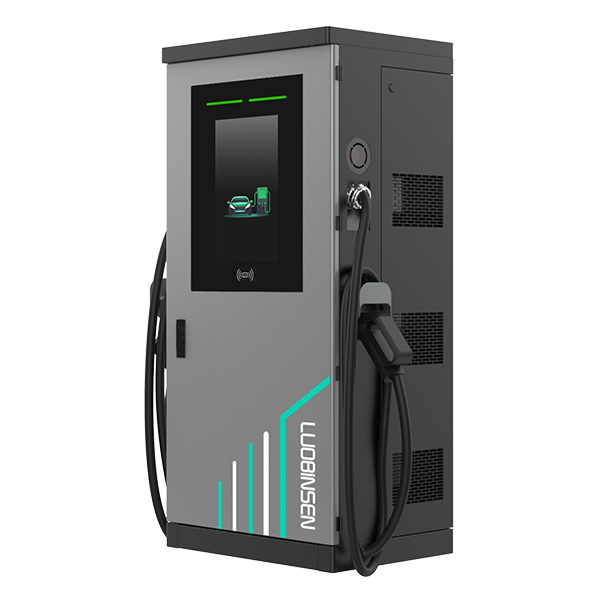
I want to talk about the electric ev charger as a practical device—its parts, its limits, and the small decisions that cause big delays. We will look at how power converters and battery management systems behave under strain, and why a charging protocol that seems fine on paper breaks down on site. I write this as an engineer who has had to explain failures to fleet managers and to drivers; I do not sugarcoat.
So: why does an all in one charger that passed tests still cause a bottleneck in daily use? This question leads us into the hidden cracks beneath the tidy specs—and into the next section where I explain specific flaws I see again and again.
Part 2 — Why Traditional Solutions Fail: A Technical Look
electric ev charger designs often assume steady conditions. They assume steady grid voltage, predictable thermal performance, and a cooperative battery management system (BMS). In reality, voltage sags, brief overloads, and firmware mismatches create cascades: a power converter trips, the BMS refuses to restart charging, and the whole unit goes offline. I have watched this happen twice in one afternoon at two different depots.
What breaks first?
First, thermal management. Many all-in-one units use shared cooling channels. When one module heats, nearby components see higher temperatures. That stresses power converters and shortens MTBF (mean time between failures). Second, communication layers: charging protocol mismatches (OCPP variants, for example) create negotiation delays. Third, serviceability—the layout of modules inside the unit makes field replacement slow. Look, it’s simpler than you think: a technician who must remove three panels and unplug four connectors will take longer, and that downtime costs real money.
These are not abstract points. Edge computing nodes that monitor and log faults can help, but only if firmware and connectors are designed for easy swap. I prefer systems where a failed DC fast charging module is isolated and the rest of the unit still serves cars. That requires modular power stages and clear failure modes—design choices many legacy all-in-one chargers miss. — funny how that works, right?
Part 3 — Looking Forward: Principles and Practical Choices
We should shift from blame to solutions. I favor new technology principles that emphasize modularity, standardized interfaces, and better thermal strategy. For instance, a modular design separates power converters from control electronics and provides hot-swap capability. That keeps the station online even during repair, which is a tangible uptime win for operators.
What’s next?
Consider integration with local energy assets: simple edge computing nodes can orchestrate charging to match solar peaks or battery storage. When combined with robust charging protocol support, this reduces grid stress and improves delivery during peak demand. In fleet trials I have seen queue times drop by measurable minutes when dispatch logic and charging coordination are improved. In practice, pairing an optimized control layer with a robust fast charger for ev deployment reduces both wear on hardware and complaints from drivers.
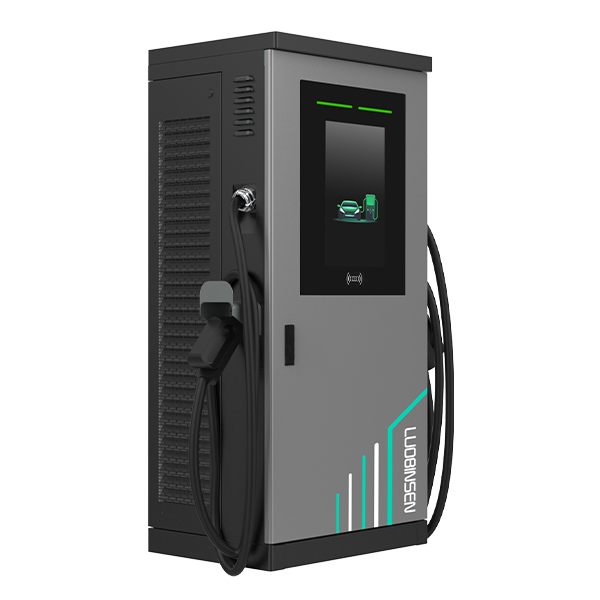
In short, choose systems with clear modularity, predictable thermal margins, and open communications. I’ll close with three practical evaluation metrics you can use right away: (1) Modular serviceability — can parts be replaced without full shutdown? (2) Thermal headroom — what is the sustained load vs. rated load? (3) Protocol resilience — does it handle real-world voltage sag and BMS quirks? Use these, and you will make better choices faster.
We keep learning in the field; I do not pretend to have all answers, but these principles have helped me and my peers cut downtime and calm anxious drivers. For manufacturers and operators who want parts and guidance, I recommend reviewing real uptime data and insisting on modular designs. And if you want to see an example partner, check Luobisnen for technical specs and case notes.