
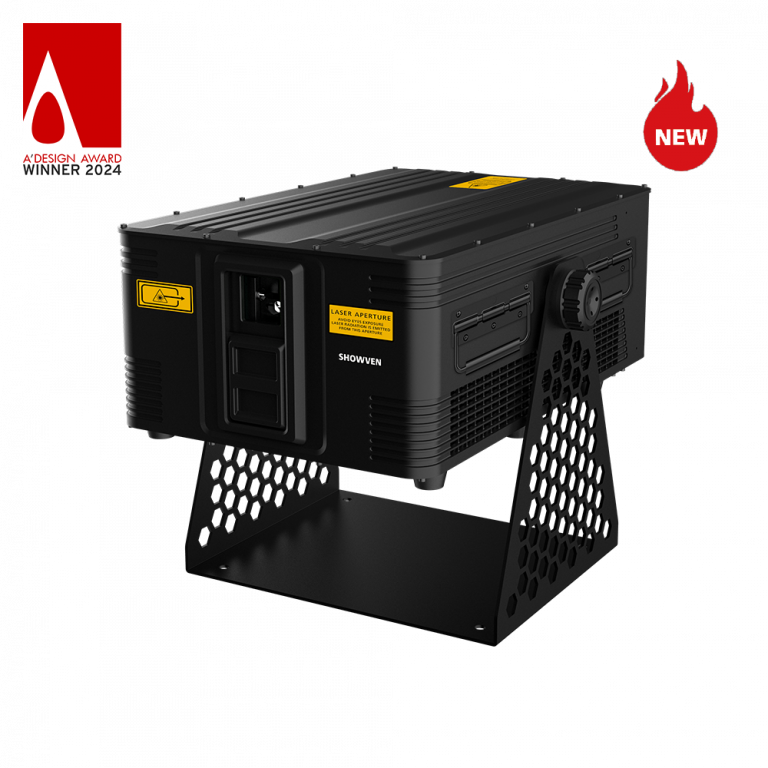
Setting the Scene: When Beams Decide the Mood
You step into a stadium and feel the room tilt before the first note lands. Laser lights slice the air as the bass drops. In live event audits and venue surveys, lighting choices shape most of the crowd’s energy and recall—often more than sound itself. But here’s the twist: not every rig delivers punch, clarity, or safe coverage at scale, and a lot of budgets still chase brightness over precision. So why do some shows linger in memory while others fade by morning? Is it power, programming, or the way the system handles motion and heat under pressure (hint: it’s a mix)? The real difference often hides in control response, optical quality, and how the system protects itself when the set runs long.
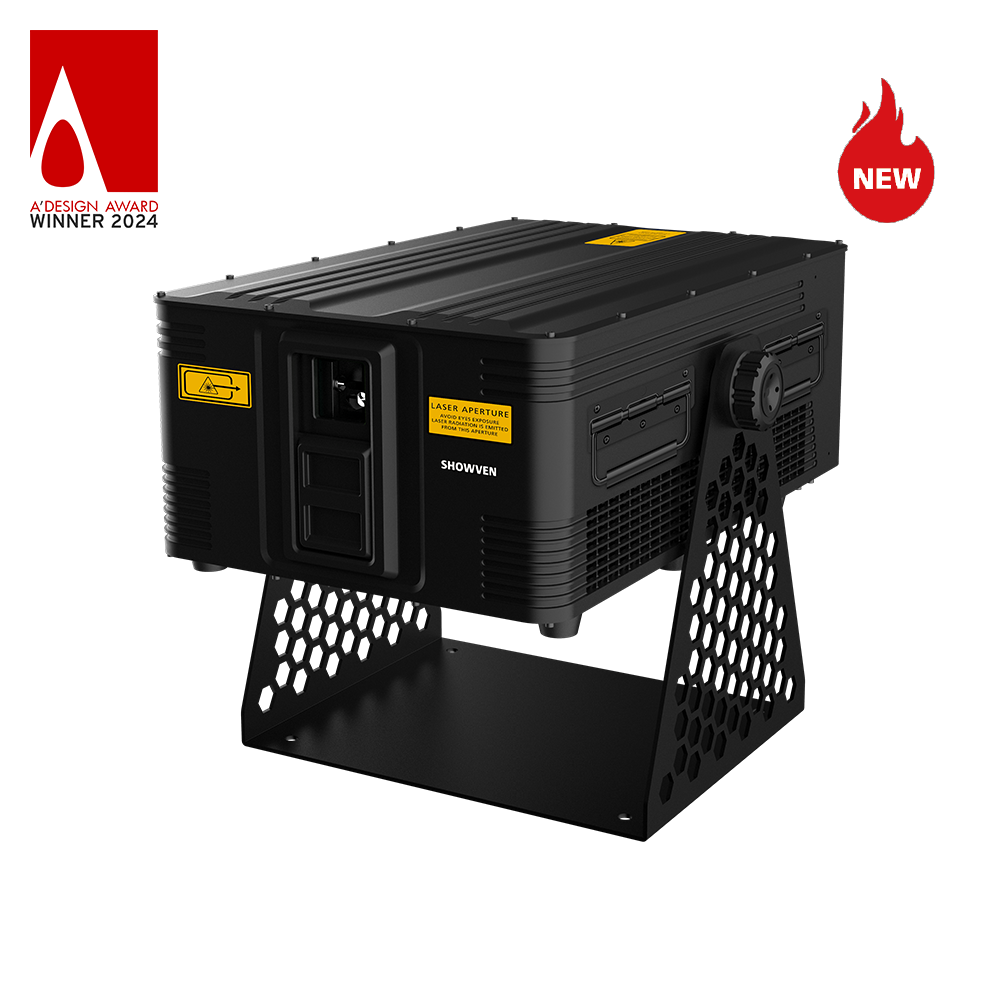
Let’s zoom past the hype and talk about what actually creates that “wow” moment, and how to avoid the silent failures. Ready to compare what works—and what quietly wastes money? On we go.
Under the Hood: Where Traditional Rigs Fall Short
What’s breaking the vibe?
Most legacy fixtures were built around fixed effects, slow refresh, and heavy thermal margins. A modern laser light show projector wins because speed and precision turn into emotion. But the gap is technical first. Beam divergence grows as optics age, so crisp patterns blur. Older galvanometer scanners lose linearity at high scan rates, so circles wobble and text smears. Drivers that throttle under heat reshape color balance without warning—funny how that works, right? And when DMX-only control caps your scene detail, transitions feel “blocky,” not fluid. Look, it’s simpler than you think: if the system cannot hold tight beams at speed, every cue feels late.
Then there’s the ecosystem. Legacy rigs chain power converters, safety interlocks, and cooling loops that weren’t designed for long, dense timelines. The result is micro-hesitation in movement and a higher fault risk during extended sets. ILDA lines can carry rich frames, but when the signal path drifts or gets noisy, you see jitter. And jitter reads as “cheap” to the crowd. Those tiny slips break immersion more than a small drop in brightness ever will. So the flaw isn’t only output. It’s stability, thermal discipline, and the fidelity of command from console to optic—end to end.
Comparative Insight: Principles That Push Beams Further
What’s Next
To move past the old guard, new systems lean on principles that keep fidelity high at show speed. Think low-inertia scanners paired with smarter DSP, so scan rate rises without tearing. Think optical engines with tighter wavelength grouping to stabilize color mixes under load. Compared with yesterday’s rigs, today’s control paths prioritize clean frames and predictive safety. That means photodiode feedback that auto-trims output, safer power ramps, and better beam shaping at longer throws. Layer in edge processing—tiny brains at the node—to smooth cues before they hit the scanners. Pair that with modern laser light equipment that supports both DMX and ILDA without bottlenecks, and you recover nuance in every sweep. Short story: precision beats raw brute force—again and again.
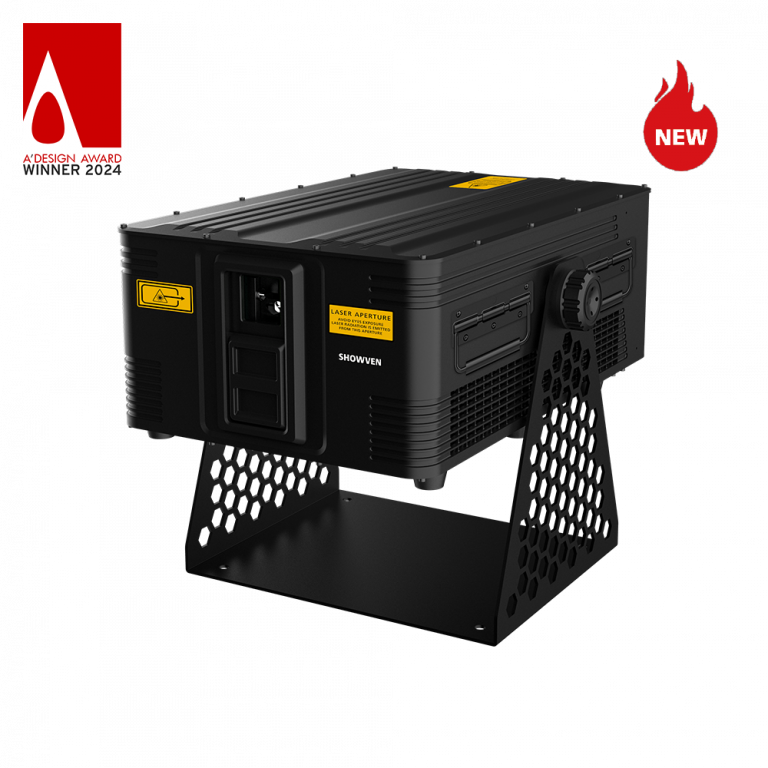
What does this change on show day? Scenes lock in sooner. Mid-air graphics stay readable at distance. Thermal behavior stabilizes, so color and brightness stay true past encore (no last-song sag). You also gain safety without dulling the mood, thanks to faster interlocks and verified zones. The message from the field is clear: crews value scan accuracy, quiet cooling, and recoverable cues more than peak lumens. So, as you plan upgrades, use three checks. One, look for consistent beam divergence at your real throw distance, not a lab figure. Two, verify the control chain—DMX, Art-Net, or ILDA—does not cap frame detail under heavy scenes. Three, stress-test thermal performance with continuous motion and color changes for at least a full set length. Do that, and your rig will hit hard, night after night. For further reading and practical specs, see Showven Laser.