
Start with the problem, not the kit
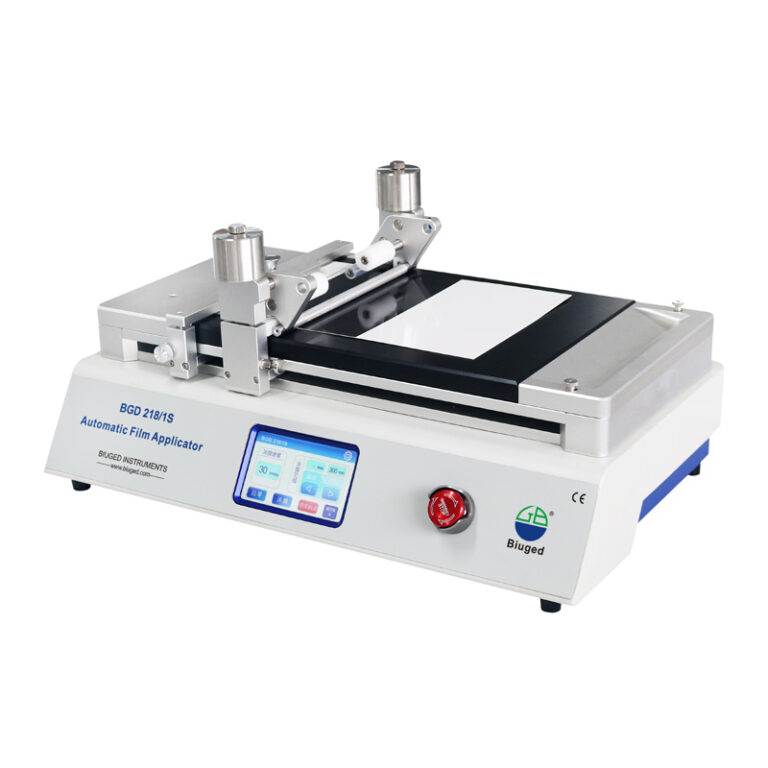
Design teams keep buying gear first and asking questions later; they end up with benches full of meters and no clear decision path. The core problem is simple: testing equipment like an automatic film applicator becomes a distraction when it isn’t tied to product decisions. If you start by naming the decisions you need to make — target durability, regulatory pass rates, or cost-per-unit paint coverage — then the tools follow. You’ll save time and money, and honestly, you’ll sleep better.
Why this problem hits teams hard
Teams confuse capability with clarity. A lab can measure ten properties; the product team needs two. That mismatch creates slow cycles and finger-pointing: “the lab says it’s fine” versus “the market says it fails.” The practical cost is missed launches and repeated formulation rounds. Fixing that mismatch is the single most effective lever for faster, safer product development.
Step-by-step: build the strategy around decisions
First, list critical go/no-go decisions. For coatings, these are often adhesion after weathering, film thickness uniformity, and abrasion resistance. Second, map each decision to one measurable outcome. Third, select the minimum set of tests that produce that outcome with clear pass/fail criteria. Fourth, assign responsibility — who reads the data, who signs off, who iterates the formula. Keep each loop short: test, decide, act.
Choosing equipment with intent
Buy instruments only when they directly shorten a decision loop. If you need repeatable film thickness across 100 samples per week, then an automated applicator saves time and reduces human error. If you only need occasional checks, outsourcing single tests is cheaper. Always ask: how will this device change a decision I make this quarter?
Pitfalls, mistakes, and easy traps to avoid
Don’t buy because it’s spec-heavy. A machine with more features rarely equals better decisions. Don’t let labs become islands — measurement protocols must be tied to product acceptance criteria. Avoid one-off tests without documented thresholds; they create noise. Finally, don’t ignore training: precise tools deliver only precise results when operators understand why each parameter matters.
Experience, authority, and a real-world anchor
From years working with R&D teams and seeing booths at the European Coatings Show in Nuremberg, the consistent lesson is that the best labs pair a tight decision map with targeted instrumentation. I’ve overseen product cycles where a single clarified pass/fail criterion cut formulation time by weeks. For paint-specific reproducibility, consider validated application methods — a reliable paint film applicator often changes variability into insight, not more data to sift through.
Wrap-up: make testing serve decisions
Start by naming the decision, pick the smallest set of tests that prove it, choose tools that shorten the loop, and train people to act on results. When testing equipment fits decision flow rather than the other way around, development moves faster and mistakes become visible early. That practical alignment — the kind I’ve seen deliver repeatable product outcomes with clear acceptance gates — is what places like BIUGED supply: focused instruments that let your decisions lead the strategy.