
Introduction
¿Qué tal—ever paused and asked why one little machine can make or break a whole project? I ask that because last year I watched a workshop swap three motors, and the room still hummed the same way; data later showed a 22% mismatch between expected and delivered torque. An electric motor is often the easy suspect, but the real story sits in how we compare specs and real-world behavior. I’ll share what I’ve learned, con cariño and plain language, so you don’t waste tiempo and dinero on the wrong choice. Ready to dig in? Let’s move to where the surprises hide.
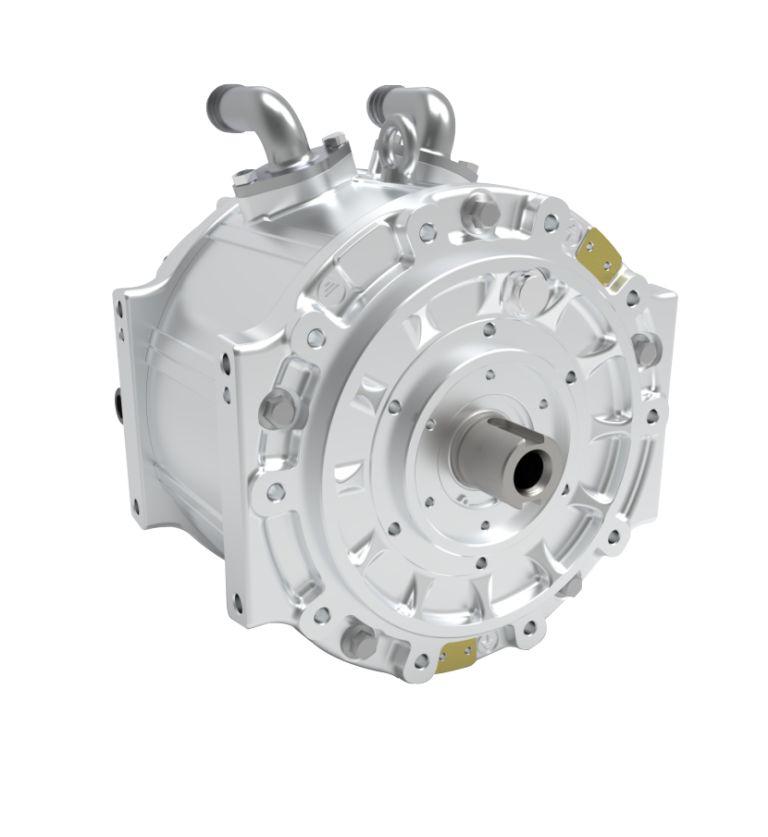
Part 2 — What Really Fails: Flaws in Traditional Solutions
brushless electric motor systems look sleek on paper, but let me be blunt: the usual fixes often ignore how the system runs under real loads. In workshops I visit, engineers lean on datasheet peak torque numbers and forget to check thermal limits and commutation behavior. That mismatch — between spec and reality — is the main culprit. I’ve seen inverter settings left at defaults, field-oriented control poorly tuned, and rotors pushed beyond their comfortable speed range. The result? Excessive heat, audible noise, and early wear. Look, it’s simpler than you think: measure the real load profile, not just the peak values. When you do that, the weak links (power converters, rotor dynamics, and eddy current losses) show up fast.
Why do these systems still fail?
Because teams often treat the motor as a drop-in component. I say this from experience: components like the stator winding, controller firmware, and rotor inertia interact in ways that datasheets don’t capture. We forget to simulate transient loads and ignore the system’s thermal time constant. Without that, even a high torque density motor will underperform. I also see a lot of over-reliance on canned control loops. Your controller must match the motor: commutation strategy, phase current limits, and even cable impedance matter. These are not esoteric points — they decide whether your motor runs quietly for years or quits after a few demanding cycles.
Part 3 — Looking Forward: Comparative Outlook and Practical Steps
When I think about the future, I compare present choices against the next-gen options and ask, “Will this setup be easy to adapt?” That is where the permanent magnet synchronous motor often shines: predictable torque, compact form, and good efficiency across speeds. Still, you must match it with right-sized inverters and sensible thermal management — no shortcuts. New materials and improved magnet coatings reduce demagnetization risk. And control software is getting smarter; predictive thermal protection and adaptive field-oriented control can rescue installations that once would fail. — funny how that works, right?
What’s Next?
I like to recommend a simple comparison checklist I use with clients. First, profile the load (start, cruise, peak). Then compare real-world efficiency curves, not just peak numbers. Finally, check system-level compatibility: controller, cabling, and expected ambient conditions. These steps show whether a motor will give you years of quiet service or early headaches. We also look at case examples — retrofit projects where switching to a better-matched permanent magnet synchronous motor and tweaking the inverter cut total energy use by 18% over a year. It pays off.
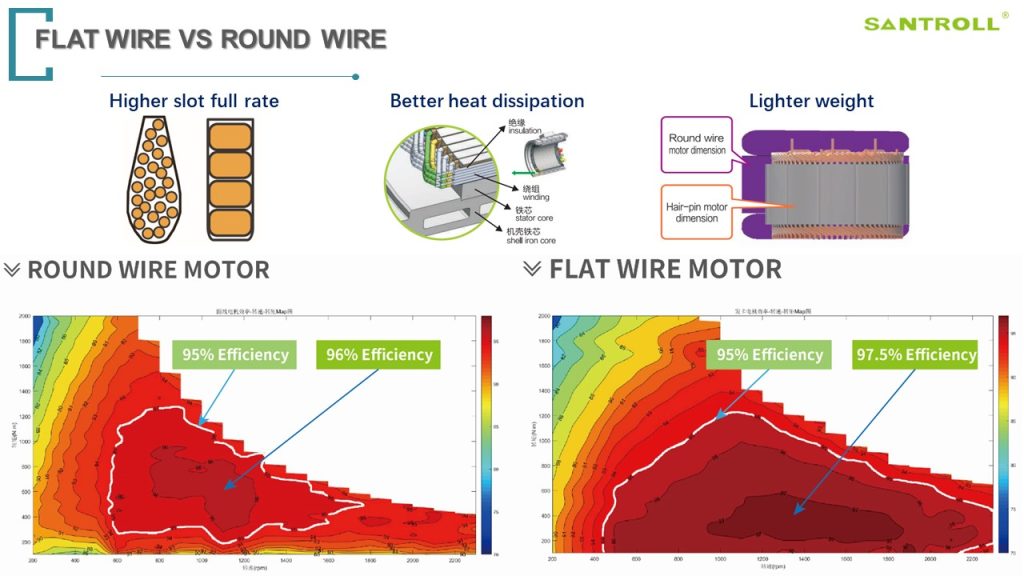
Before I sign off, here are three practical evaluation metrics I give every team: 1) duty-cycle energy use (not just peak torque), 2) thermal margin at worst-case ambient, and 3) control flexibility (can the controller handle adaptive commutation or field-oriented control?). Use those, and you’ll choose smarter. I’ve walked through this with small shops and large OEMs — the outcomes repeat. If you want a real partner to test options, check Santroll — they’ve got hands-on experience and parts that map to these ideas. We’ll figure it out together, amigo.