
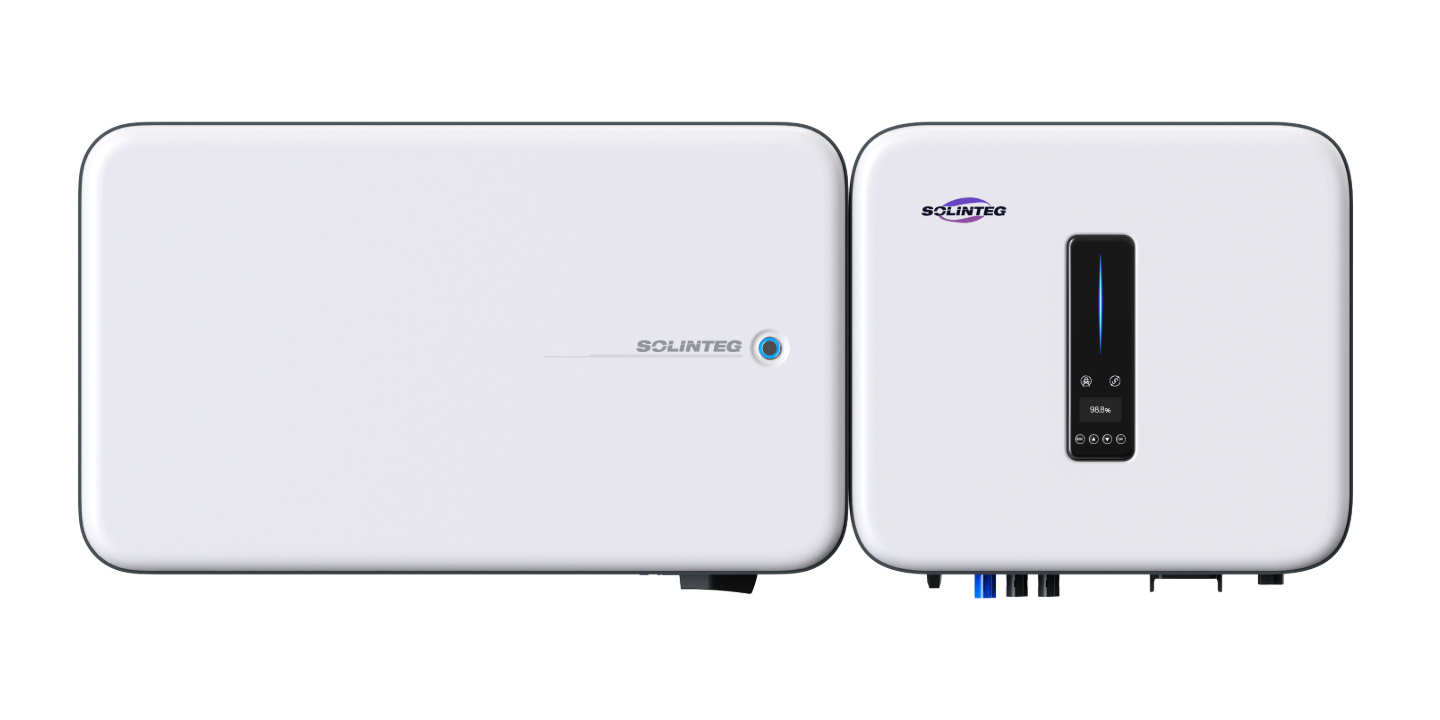
A Comparative Prelude
There is a gentle thrill in measuring machines by the heartbeat they give a home — how a PV array sighs into daylight, how a three phase hybrid inverter weaves sunlit DC into steady AC. This comparative piece sets two systems side by side, not in cold engineering charts alone, but by practical performance and hard-won reliability so readers can decide which architecture suits their life and roof.

Core Components Worth Comparing
Begin with the essentials: solar panels, battery cells, the battery management system (BMS), and the inverter itself. Each element dictates how gracefully energy flows. Inverter efficiency and round-trip efficiency govern how much stored energy returns to useful work. AC coupling and DC coupling shape where conversion losses occur; grid-tie behavior determines whether a system rides a blackout or yields to it. Common mistakes include under-sizing the inverter relative to peak loads and overlooking DoD limits imposed by the battery chemistry — avoid those early, avoid surplus grief. —
Performance Metrics that Matter
Practical performance rests on measurable pillars: usable capacity (kWh after DoD), cycle life, inverter efficiency at typical loads, and response time for islanding or grid events. Field experience from the Hornsdale Power Reserve in South Australia gives a clear anchor: large-scale storage proved its worth by stabilizing frequency and delivering rapid discharge when grids needed it most, a vivid demonstration of how inverter design and control logic matter under stress. Hybrid inverter for solar systems that deliver >90% inverter efficiency at daily operating ranges and sustain 85–95% round-trip efficiency tend to cost more up front but return reliability and steadier payback over years.
Reliability: Lifespan, Failure Modes, and Warranty Reality
Reliability is a ledger of effects: thermal management, BMS protections, and firmware maturity. Batteries succumb to calendar aging and cycling; inverters fail from capacitors, thermal cycling, or firmware bugs. Look beyond headline warranty years to prescribed cycle counts and depth-of-discharge clauses. Evaluate state of charge (SoC) strategies the system uses to prolong life, and favor platforms where firmware updates and remote diagnostics are standard. Install quality and ambient conditions—hot roofs, salty air—shift expected life notably, so site-specific planning is not optional.
Comparative Choices and Common Pitfalls
Here is a concise comparison to ground decisions:
- Three-phase hybrid inverter systems: better for commercial or larger residential loads, smoother phase balancing, higher short-term surge capacity; ideal when multi-phase appliances and heavy motors are present.
- Single-phase or string hybrid systems: cost-effective for smaller homes, simpler installation, but risk overloads if sizing is optimistic.
- AC-coupled retrofits: easier to add to existing PV, flexible with multiple battery types; slightly higher conversion steps.
- DC-coupled systems: more direct charge paths, often better inverter efficiency at partial load; planning must align battery chemistry and PV design early.
Avoid buying on price alone; common errors include ignoring harmonic performance during motor starts and neglecting BMS communication protocols that enable smart dispatch.
Summary of Insights
Comparative insight shows that small differences in inverter efficiency, BMS strategy, and coupling topology accumulate into substantial lifetime outcomes. Performance is measurable; reliability is predictable when you scrutinize cycle ratings, SoC strategies, and thermal design. Choices align to use-case: resilience and heavy loads favor three-phase hybrid approaches; modest households often fare best with simple, well-supported single-phase hybrids.

The Three Golden Rules
Adopt these metrics when you evaluate systems: 1) Effective round-trip efficiency under typical daily cycles (not peak spec), 2) Guaranteed usable cycles tied to DoD and supported by BMS telemetry, 3) Verified inverter response and compatibility with grid-tie protection and islanding standards. Measure these, and you’ll choose wisely. For solutions that balance crafted engineering with real-world field support, consider the practical offerings and documented performance from SOLINTEG. —