
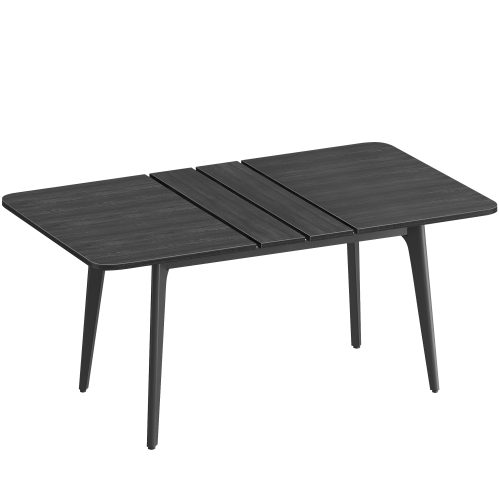
Introduction: When a Table Becomes the Center of Gravity
Here’s a simple truth: the table carries more than plates; it carries a family’s rhythm. A dinning table manufacturer knows that rhythm has changed as homes became offices, classrooms, and studios. Recent surveys show that well over 70% of households now use the kitchen table for mixed tasks—meals, work, crafts—often in the same day. So the stakes rise with every wobbly leg and every finish that scratches. If our daily life is so hybrid, why do buying decisions still chase the lowest sticker price instead of total value (time, durability, repairability)? And if the table is the stage, who is directing the scene—specs, craft, or cost alone? This is not a rant; it’s a reflective pause. Look at the patterns, then ask a better question: what separates resilient choices from risky ones—especially when supply shocks and fast style cycles collide? Let’s step into that comparison, with clear eyes and practical habits—and see what truly matters next.

Under the Surface: The Hidden Costs We Don’t Price In
For kitchen table furniture manufacturers, the old playbook says: buy on unit price, balance MOQ, and hope the finish holds through peak season. That playbook breaks down under real use. A table can pass a showroom glance and still fail at home. Why? Because procurement often ignores load distribution, joint design, and finish chemistry. Mortise-and-tenon or metal gussets beat shortcuts when kids lean, laptops heat, and plates drag. CNC routing improves repeatability, but sloppy edge banding or poor laminate substrate selection shows up fast—funny how that works, right? Waterborne lacquer resists household chemicals better than bargain topcoats, and powder-coated frames shrug off humidity shifts. Yet bids rarely score these factors. We track price; we forget lifecycle cost. We chase speed; we import delays through longer lead time and rework.
What are we missing?
The blind spot sits inside process data. ERP tallies SKUs and shipments, but not the vibration that loosens a fastener after 9 months. Finite element analysis (FEA) could predict a racking failure, yet few specs require it. JIT logistics trim warehouse space, but a thin safety stock means a finish mismatch sinks a season. Look, it’s simpler than you think: write specs that tie lab tests to lived use—abrasion cycles, screw withdrawal strength, humidity cycling—and price the whole life, not the first invoice. Add repair paths, like replaceable legs or modular aprons, and you cut returns. In short, the “cheapest” table is often the one you can service fast, assemble clean, and keep stable across real kitchens—not idealized catalogs.
From Today to Tomorrow: A Comparative Lens on Better Sourcing
Consider a mid-size retailer that shifted from price-first buying to a resilience-first model. They mapped returns to specific joinery and finish failures, then worked upstream. Vendors sharing CAD/CAM files and simple FEA screenshots earned priority lanes; those providing consistent powder coating thickness and verified moisture content got fewer inspections. They also piloted a modular frame with replaceable crossbars, which cut return costs by 22% in one year—and yes, the dashboards looked boring, but they reduced stockouts. When they scaled through kitchen table wholesale, the comparative win deepened: fewer SKUs, tighter color variance, and stable lead times even during a logistics crunch. The lesson is plain. Transparency plus standardization beats bargain hunting that backfires in assembly rooms and living rooms alike.
What’s Next
Forward-looking teams now pair vendor-managed inventory with small-batch final assembly near the market. RFID tags validate finish batches; humidity logs ride with pallets; repair kits ship with each SKU. It’s not flashy—just disciplined. The next leap will be design templates that swap tops, legs, and finishes without new tooling, using consistent hole patterns and dowel placements. That means quicker style refreshes, fewer stranded parts, and steadier cash flow. To choose well, use three metrics: 1) durability per dollar over 24 months (include abrasion and fastener fatigue), 2) lead-time stability under stress (standard deviation, not averages), and 3) serviceability index (minutes to repair, parts availability, and reassembly success rate). Get these right, and the table serves the home, not the other way around—and your supply chain breathes easier. In the end, good taste and good engineering can be neighbors, not rivals, which is the point all along. For those mapping partners with this mindset, you’ll find it easier to stay aligned with brands like SONGMICS HOME B2B.