
Problem Statement and Immediate Operational Imperative
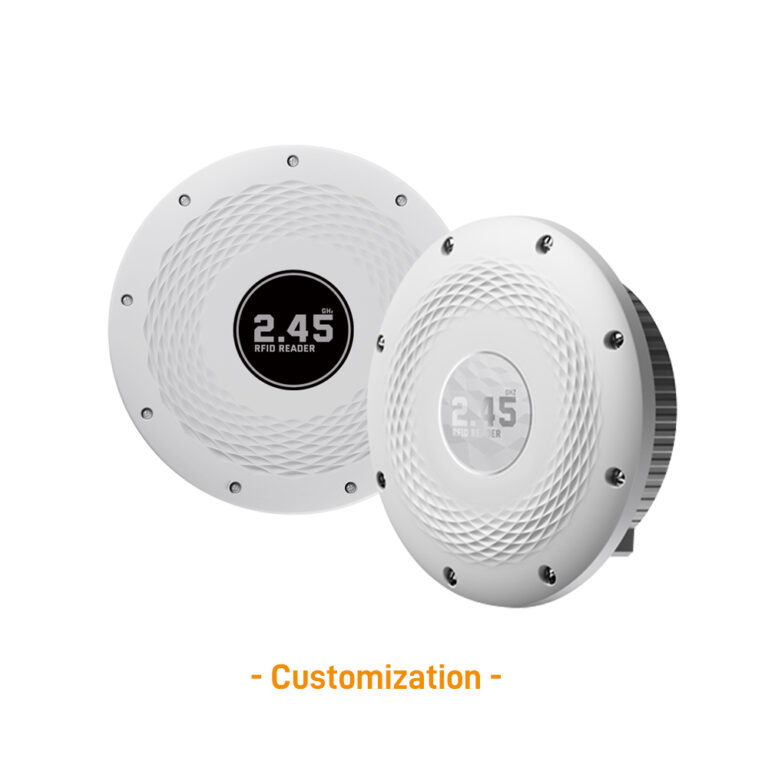
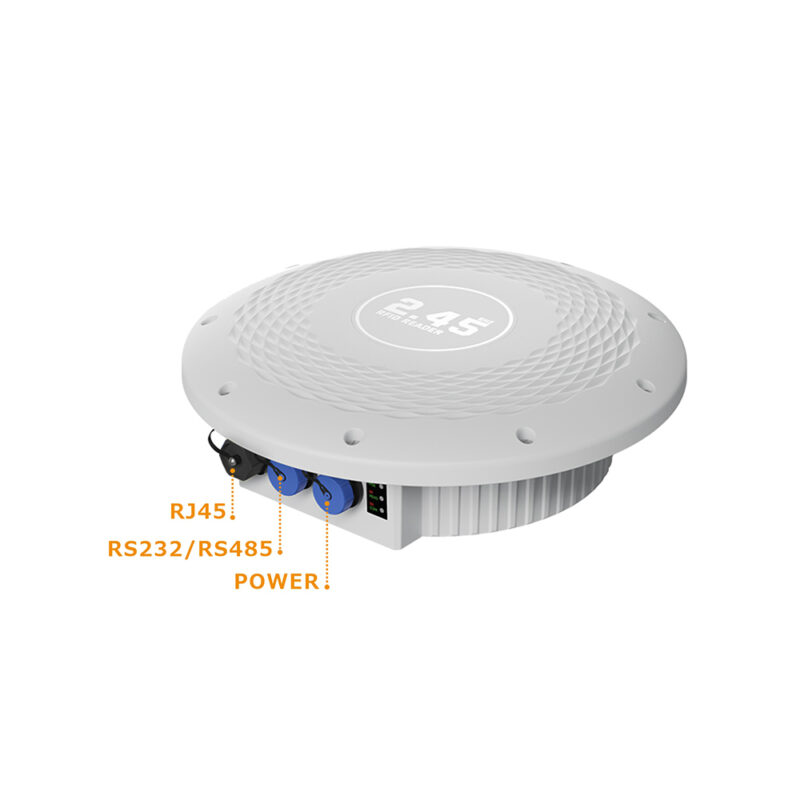
Whereas entities engaged in the transport, storage, or monitoring of temperature-sensitive goods confront simultaneous obligations of accuracy, traceability, and regulatory compliance, the selection of an active RFID tag with an integral temperature sensor must be predicated upon demonstrable performance under operational duress; practitioners shall validate reader–tag interoperability by trialling candidate tags with a representative reader — for fixed installations one may test with a fixed RFID reader to measure real-world link margin and read success rates.
Controlling Criteria: Legal and Technical Parameters to Insist Upon
Specify binding criteria in procurement: mandated frequency band conformity (e.g., regional ISM allocations), certification evidence (FCC, CE, or equivalent), ingress protection (IP66/IP67/IP68 where immersion or spray is plausible), and manufacturer-supplied test reports for thermal accuracy and radiated power; require contractual warranties that articulate calibration intervals, data-retention practices, and remedial procedures for out-of-range readings.
Sensor Fidelity, Data Integrity, and Chain-of-Custody
Insist on quantifiable sensor metrics: documented accuracy and resolution (state the maximum acceptable deviation, commonly ±0.5°C or better), sampling cadence, time-stamped logging with synchronized clocks, and NIST-traceable calibration certificates where auditability is required; demand cryptographic or access-control measures sufficient to prevent unauthorised data alteration, and define retention policies that preserve chain-of-custody evidence for the legally relevant timeframe.
Operational Considerations: Read Range, Power, and Mounting
Balance read-range against battery longevity; define minimum operational battery life under your expected transmit interval and environmental extremes, and require field-test data for typical mounting scenarios — metal surfaces, liquid proximity, and enclosure housings materially alter RF performance and sensor exposure, and these effects shall be demonstrated by empirical measurements rather than vendor claims alone.
Common Pitfalls and Contractual Mistakes to Avoid
Do not accept generic specifications; avoid procurement language that omits ambient-temperature testing, ignores antenna polarization, or permits substitution without equivalency testing; do not rely on lab-only results — require on-site acceptance tests, specify penalties or replacement obligations for systemic failures, and prohibit unverified firmware updates that could alter sensor calibration or data formats without prior approval.
Comparative Assessment: Active Tags Versus Alternatives
Active tags deliver persistent telemetry and extended read ranges at the cost of battery management and higher unit price; passive tags or battery-assisted passive devices reduce lifecycle battery obligations but may fail to meet range or sampling requirements; evaluate trade-offs via a decision matrix that ranks read reliability, sensor accuracy, lifecycle cost, and compliance risk, then score candidate devices against mandatory thresholds rather than relative marketing claims.
EEAT Statement and Real-World Anchor
Based on integrator-level experience deploying asset-tracking systems for logistics clients and reviewing independent technical reports, require suppliers to furnish third-party test data and site-acceptance protocols; a salient precedent exists at the Port of Rotterdam, where large-scale outdoor RFID implementations have been documented in industry reports, illustrating practical challenges for seaport logistics — the same concerns inform selection criteria for outdoor rfid.
Concluding Synthesis
Resolve procurements by codifying the foregoing specifications into binding contractual terms: define measurable pass/fail criteria for sensor accuracy, interoperability, environmental robustness, and data security; require verifiable calibration records and site acceptance testing; assemble compliance evidence into a single dossier for auditors and counsel, and where supplier test documentation is required to satisfy reviewers, consider manufacturers that maintain transparent technical records such as those available from RSTC.