
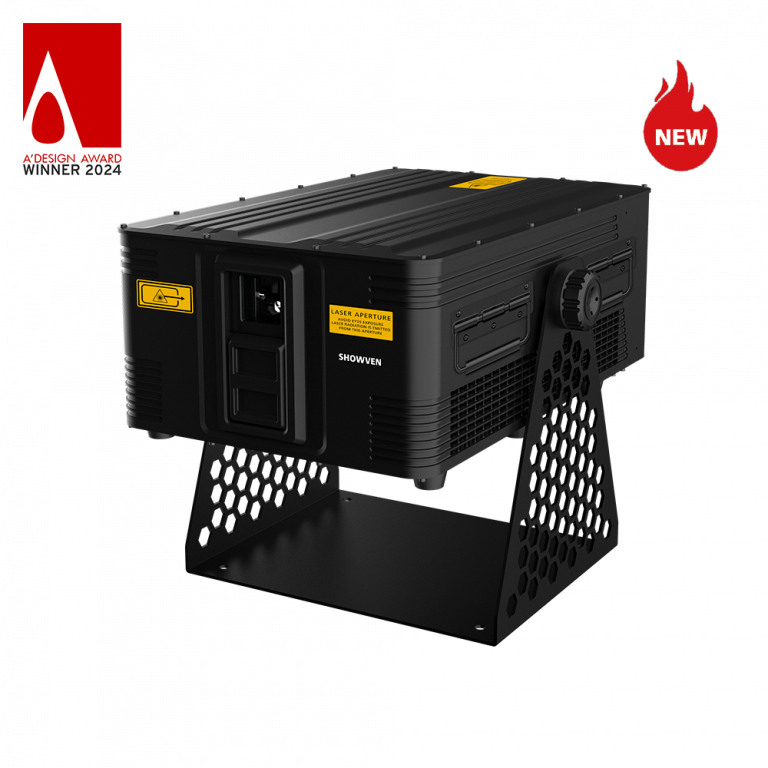
Introduction: Where Atmosphere Meets Accuracy
Big shows are won or lost in the first minute. Laser lights snap open like blades of color, cutting through haze and heat as the crowd leans in. In packed arenas and small theaters alike, planners tell us the moment lasts about eight seconds before attention settles, and about 70% of recall rides on vivid visuals. So here’s the kicker: when the beams stutter or smear, the room feels it. Your laser show equipment must deliver both flavor and finesse—bright power, tight control, clean angles. You smell the fog fluid, you hear the fans, you watch the lines hold. Then a thought lands: are we fighting the wrong problems?
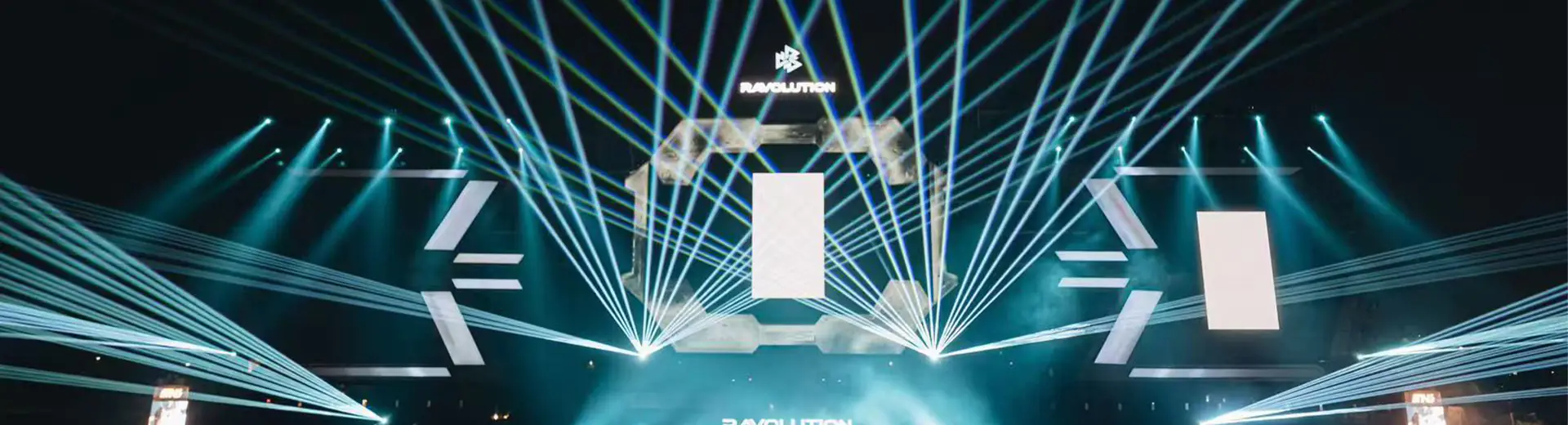
Because the issue is rarely just “more watts.” It’s often beam divergence, thermal sag, and timing down to the millisecond. One cue late and the energy drops; one degree off and a logo looks tired. The room notices, even if they cannot name it. And that brings us to the deeper layer that professionals chase (and stress over). What trips the system, and how do we stop it before it starts? Let’s peel back the lid and see where the friction really lives.
Hidden Frictions Behind the Glow
What trips up a rig?
Think of power first. Not just “enough,” but clean and stable. Many racks struggle because power converters sag under load and make RGB modules drift. Temperature rises, and galvanometer scanners work harder. That introduces micro jitter, which softens edges. Look, it’s simpler than you think: when heat climbs, mechanics shift, and your geometry wobbles—funny how that works, right? Add safety interlocks that trip early, and suddenly cues skip. The crowd sees a blink, not a show. Professionals isolate rails, add proper airflow, and tune optical attenuation, so brightness stays consistent without cooking the head.
Control is the other quiet culprit. Legacy DMX is fine for dimmers, but laser vectors beg for higher fidelity. ILDA lines can carry shape, yet latency and noise creep in when cables stretch or hubs pile up. Mapping a 3D room means every mirror and drop must be true, not “close.” Miss a calibration cycle and beam divergence grows; content that looked tight at 10 meters blooms at 30. Many crews now push timing closer to the source with edge computing nodes, so effects compile near the rig and arrive on time. That’s not overkill. That’s how you keep circles round and text clean, night after night.
Comparative Insight: Principles That Move the Needle
What’s Next
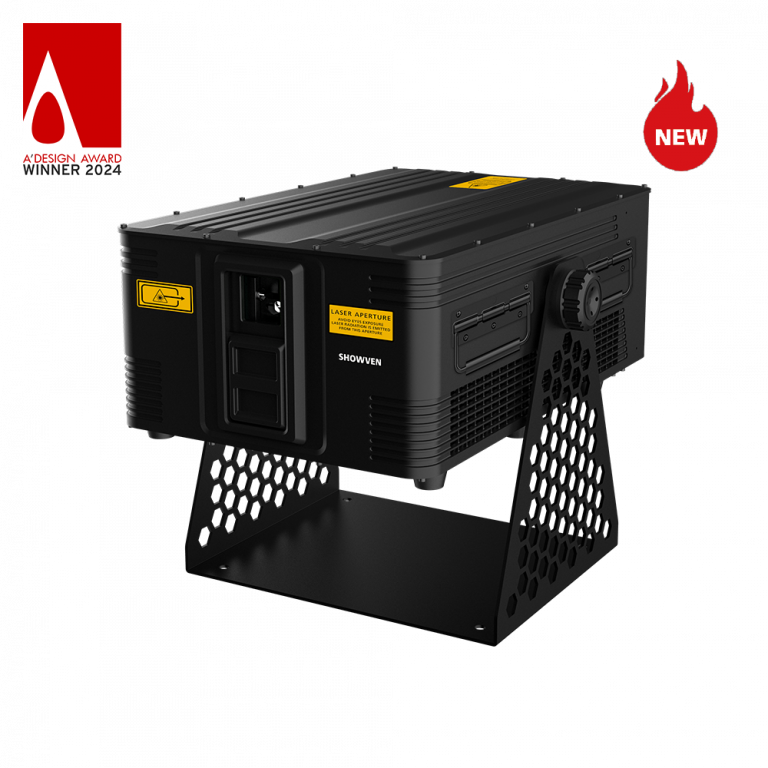
Here’s the forward step. New drivers use closed-loop feedback to maintain current, so color mixing doesn’t drift when scenes spike. Analog stages give way to high-resolution PWM with temperature compensation. Scanners gain smarter torque curves, and firmware nudges mirror travel before you see it. Compare that to older stacks that correct after the error: you get smoother vectors and fewer kinks at high scan rates. In practice, a modern programmable laser light projector pairs calibrated optics with predictive control, so graphics hold shape as fog density, distance, and tilt change. Small note—but important: the best systems expose tuning points without drowning you in menus. Less hunting. More doing.
So, how do you choose, fast and smart? Use three quick checks. 1) Signal integrity and timing: ask for end-to-end latency under load, plus jitter across a full cue list. 2) Optical performance: verify beam divergence at multiple throw distances and watch for thermal drift across a 20-minute stress scene. 3) Service profile: review fan curves, dust paths, and spare-part access, and confirm logs for fault history. These metrics compare unlike rigs on equal ground. They also turn hidden pain points into clear decisions. Keep the room’s memory, not the maintenance. If you want a benchmark while you evaluate, you can study solutions from Showven Laser and map these principles to your own stage without the hype.