
Introduction: A Workshop Moment and a Data-Backed Question
I remember a shop floor I walked into last winter: coolant mist in the air, a foreman tasting bitterness in his coffee, and a control screen that froze mid-job. That scene — familiar to many of us — sets the table for why upgrades matter. vertical machining center manufacturers see downtime as a recipe for lost hours and lost trust (mise en place matters). Industry reports show average unplanned downtime can cost manufacturers thousands per hour, and tool change faults and servo motor hiccups top the list. So I ask: how do you upgrade your CNC fleet without turning the kitchen into chaos?
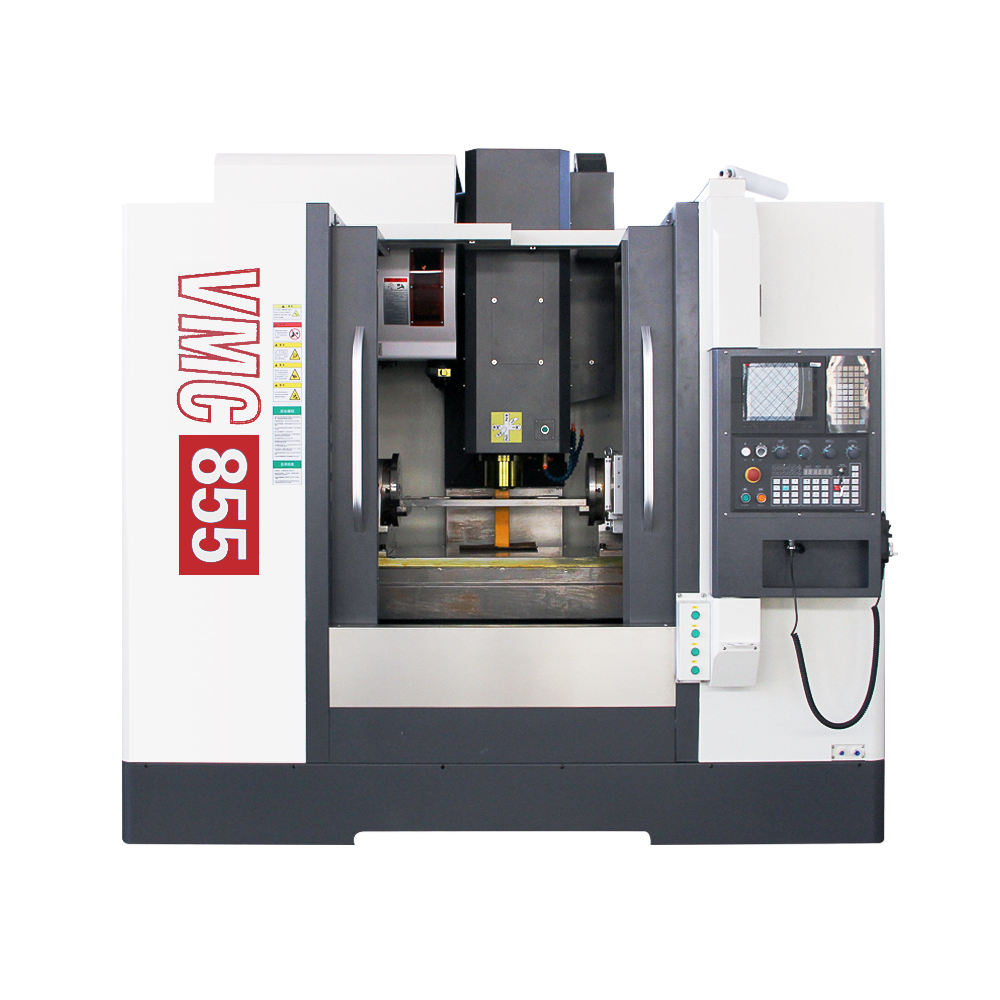
Think of an upgrade like seasoning a stew. Too little, and nothing changes; too much, and you spoil the dish. We need balance — precise spindle speed tweaks, the right power converters, and careful calibration of feed rate. In the sections that follow, I’ll walk through what usually goes wrong, and what I’ve found works better — step by step. Let’s move from the steam to the stove.
Digging Deeper: Why Standard Fixes Leave Shops Vulnerable
cnc vertical machining center supplier—this is where many teams start the conversation. They call a supplier, pick a package, and expect a tidy result. But the real faults hide below the surface. In my experience, common solutions focus on swapping out a CNC controller or upgrading the spindle without addressing controller firmware mismatches, collet wear, or edge computing nodes that could have reduced latency. That narrow fix? It often just shifts the failure point.
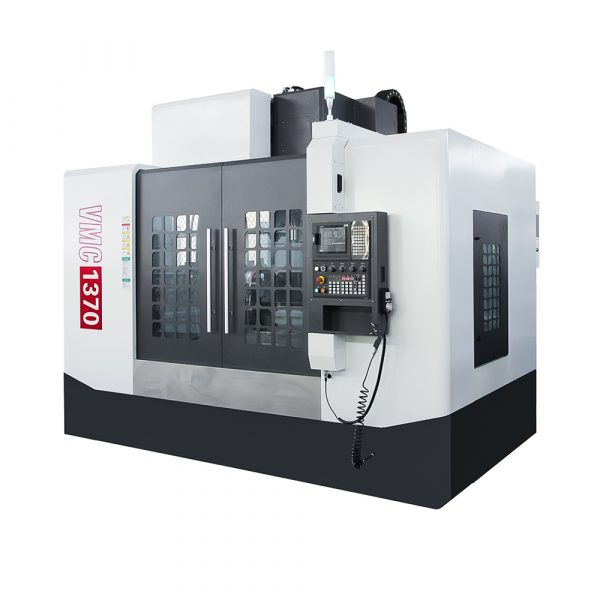
Look, it’s simpler than you think: shops skip systems integration. They treat the machine as a single black box instead of a network of components — servo motors, tool changer mechanisms, power converters, and the software logic that binds them. When those pieces aren’t tested together, you see inconsistent tool offsets, unexpected feed rate drops, and traceability gaps. It’s frustrating. I’ve watched teams patch errors with quick scripts and then wonder why the same error pops up a week later — funny how that works, right?
So what goes unseen?
Often it’s the small wear parts and the data flow. Bad collets and worn tool holders change cut quality. Poor telemetry — missing edge computing nodes or weak sensor sampling — masks the true trend. Multiple shops spend on a flashy spindle only to be pulled back by a cheap power converter that can’t keep up. We should be asking better questions at procurement, not just buying on brand name.
What’s Next: Principles and Practical Picks for Future-Proofing
Looking ahead, I prefer to explain rules rather than push products. New technology principles matter: modular control architecture, predictive maintenance enabled by local edge computing, and layered redundancy for critical systems. When you design with modularity, you can upgrade the CNC controller or the tool changer without redoing the whole machine. That reduces downtime and keeps production lines humming.
Take the 3 axis vertical machining center as an example — 3 axis vertical machining center. If you separate the motion controller from the human-machine interface and add local analytics at the spindle, you get faster root-cause answers. In practice, that meant one shop I worked with cut unexpected stops by half after adding simple vibration sensors and upgrading the controller’s firmware — and yes, I test this. The change cost less than a full retrofit and gave clear data to act on.
Real-world Impact
Comparatively, shops that invest in integration upfront save time later. You’ll spend more on planning and systems integration early, but you avoid the repeated pain of short-term fixes. Short sentences: measure once. Adjust. Then scale. I’ve seen this produce better cycle times and steadier surface finish results. It’s a small shift in thinking, but a big shift in outcomes — and it’s worth the initial effort.
Closing: How I Evaluate Upgrades — Three Metrics I Trust
When I advise teams now, I use three clear metrics. First, interoperability: can new components talk to existing servo motors, tool changers, and the PLC without custom glue? Second, observability: does the system give you actionable telemetry (vibration, spindle load, tool life) via edge computing nodes or similar? Third, maintainability: can on-site techs replace modules quickly, and are firmware updates safe and reversible? These metrics keep choices practical and measurable.
I’ll be blunt: upgrades should reduce surprises, not add them. Measure those three things before you sign a purchase order. If you want a partner who thinks this way, I recommend looking at the approaches from Leichman. We’ve learned to value clarity over buzzwords — and that makes all the difference on the shop floor.