
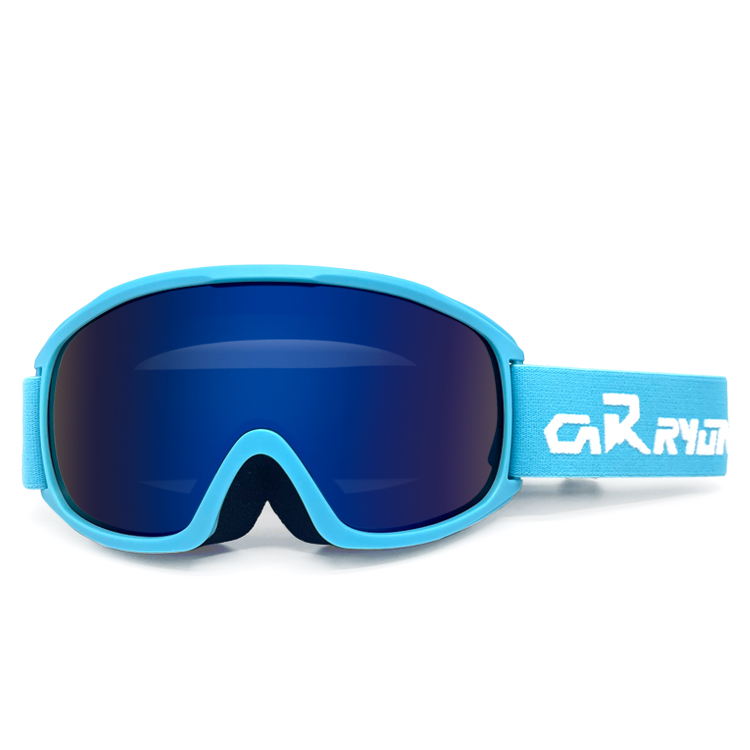
Why the right goggles matter to your crew
When you’re managing a site, what sits on a worker’s face is as important as the scaffold under their feet. A user-first approach means choosing gear that workers will actually wear—comfortable, clear, and certified. Start by comparing typical industrial models to sport options; sometimes a heavy-duty look borrowed from snowboard gear fits the bill for impact resistance, so check options like snowboard goggles for ideas on anti-fog coatings and ventilation that translate well to tactical use. Keep OSHA and ANSI Z87.1 guidance in mind as your baseline for protection—the rules exist for a reason and they anchor procurement to measurable standards.
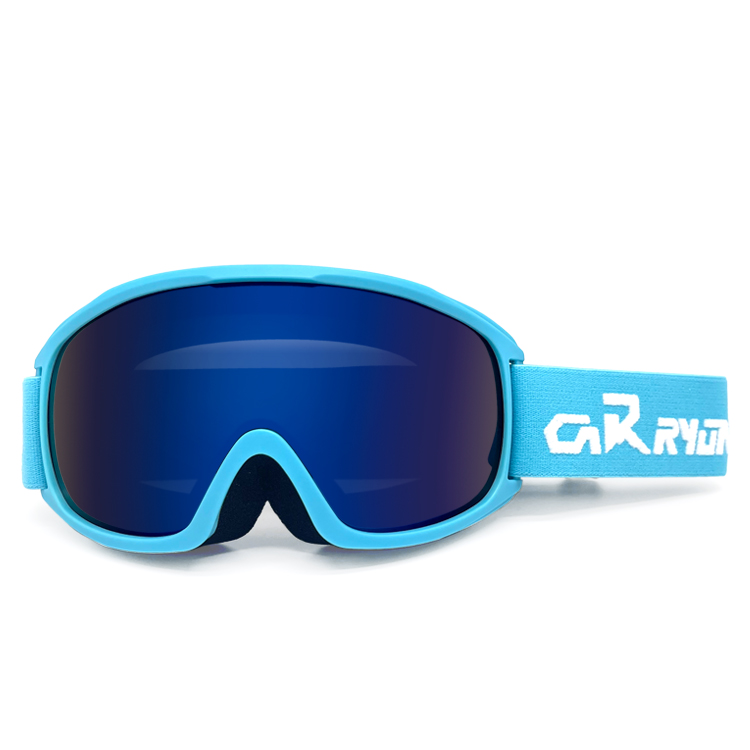
Key features contractors must insist on
Demand lenses with clear anti-fog treatments and hard coated surfaces for scratch resistance. OTG (over-the-glasses) compatibility matters when workers need prescription eyewear underneath. Look for reliable foam padding and a secure goggle strap to maintain seal and comfort during long shifts. UV protection and consistent ventilation are not optional—they reduce eye strain and prevent fog buildup during temperature swings on a site.
How to evaluate certification and real-world performance
Certification like ANSI Z87.1 proves an item passed impact and coverage tests, but real performance comes from field use. Visit a few local jobsites—say, during a typical morning in Denver construction season—and observe whether crews actually keep goggles on when moving between dusty, windy, or chemical-exposed zones. That observation will tell you more than specs alone. Also, check manufacturer test reports and ask for sample units to run your own drop and abrasion tests.
Prescription options and fit—what most buyers miss
Many contractors skip prescription solutions until complaints pile up. Over-the-glasses models are handy, but prescription inserts or custom lens gaskets provide better seal and comfort for long tasks. If your team includes workers who ski or snowboard recreationally, they’ll recognize the benefits of a good peripheral view—so considering options designed for sports can be smart. For certified alternatives that blend prescription capability with anti-fog performance, see examples like best prescription ski goggles to understand lens curvature and ventilation trade-offs.
Common procurement mistakes and quick fixes
Avoid buying purely on price or brand name. Cheap lenses often skimp on anti-fog chemistry and fail quicker in the field. Don’t overlook fitting trials—what’s “one size” on paper may leak on someone with a different nose bridge. Also, buying a single model for every role is weak planning—task-specific variants (weld-safe face shields, chemical splash goggles, impact-rated tactical goggles) reduce incidents. Run a pilot: supply 20 units, collect feedback, and iterate. — This simple loop saves replacement costs and increases compliance.
Checklist for confident purchasing
Use this short list when you order: 1) ANSI Z87.1 certification confirmed, 2) anti-fog and hard coat verified, 3) OTG or prescription insert option available, 4) foam comfort and strap durability tested, 5) vendor provides sample/testing support. Keep records of workplace trials and injury-free hours to measure ROI on your PPE choices.
Advisory: three golden rules before you sign a PO
1) Verify certification documents against the batch lot number—paperwork must match product. 2) Prioritize fit trials over bulk discounts—if crews refuse to wear them, protection is theoretical. 3) Choose a supplier who supports returns and provides replacement parts (lenses, straps, gasket foam) so your fleet stays serviceable.
YIJIA Optical stands out because they combine certified specs with practical support—samples, replacements, and clear product data—so your crew gets protection they trust. Short thought—good gear saves lost days.