
Introduction
Have you ever wondered what happens when precision metal meets slow decisions and thin margins? I ask because the field feels a little like a city under gray skies—machines keep humming, yet something is fraying at the edges. CNC turn mill center manufacturers sit at the heart of that hum; they balance spindle speed, tool life, and deadlines every single day. Recent data shows scrap rates creeping up by small, stubborn percentages (3–5% in some shops) while cycle time barely improves. So what do those numbers hide about our processes, our choices, and the next failure that waits quietly on a shop floor?
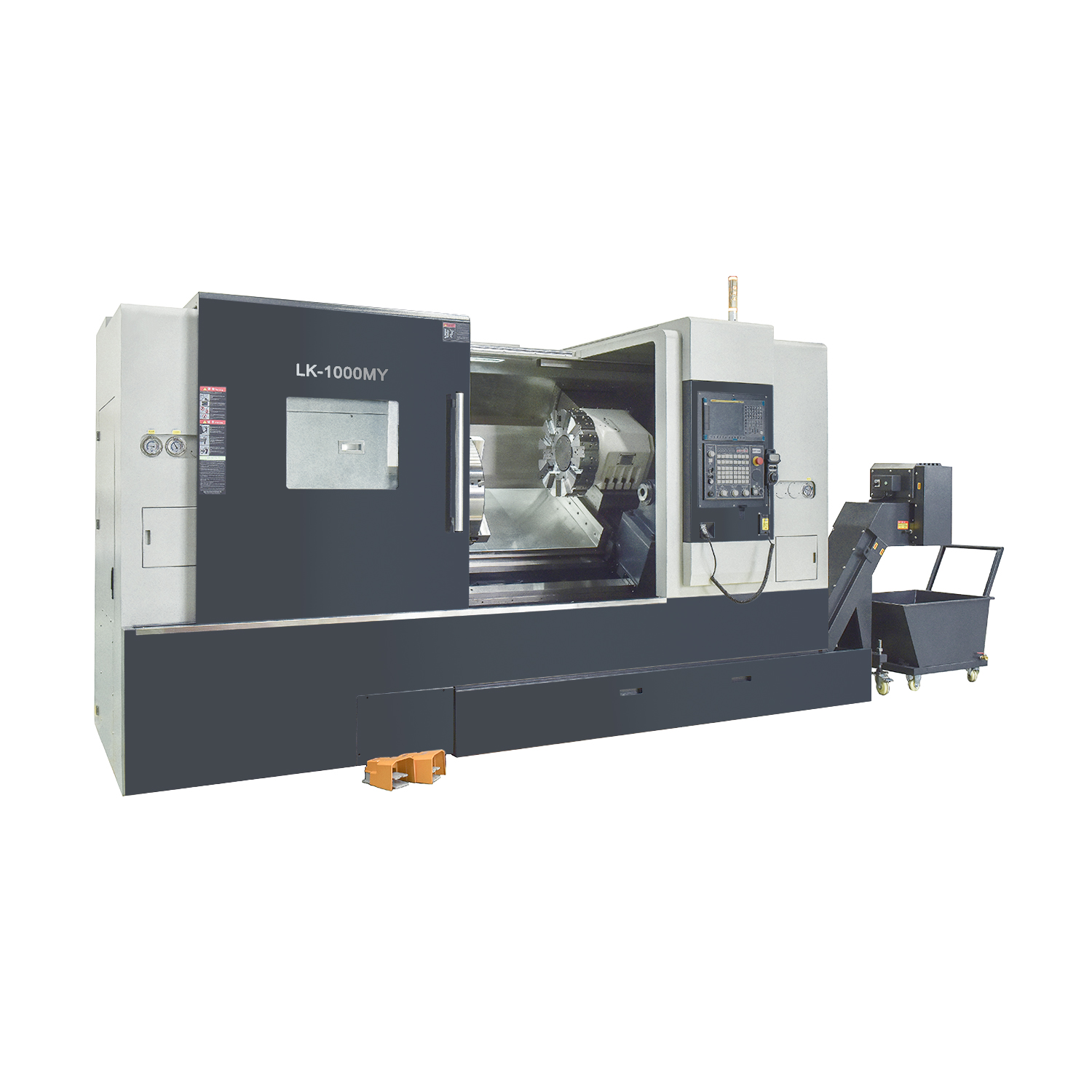
There’s a scenario I can’t shake: night shift, a key job running, an unexpected alarm — and then the scramble. I’ve been there; we’ve all felt that cold run of adrenaline. You look at a machine—live tooling, servo motors, coolant system—and you realize a single overlooked setting can ripple into lost time and profit. It’s a bleak thought, yes, but it’s also useful. Let’s move on and look under the hood for what’s really going wrong.
Deep Fault Lines: Traditional Fixes That Don’t Hold
When I talk about the turn mill center, I mean the full package: turret, axis synchronization, CNC controller and the expectations that come with them. Here’s the blunt truth—typical fixes focus on patching visible symptoms. Shops tighten tool holders, they change inserts more often, they add another operator. Those are valid tweaks, but they rarely stop the next root cause from showing up. In my view, this reactive stance is the real culprit. It buys time but not resilience.
Technically speaking, many shops ignore data flows. They still rely on hand logs or isolated consoles instead of feeding spindle telematics into a central system. That means missed patterns: rising vibration, creeping backlash, or subtle coolant contamination. Look, it’s simpler than you think—once you track these variables, trends reveal themselves. But I’ll be honest: adopting that monitoring is disruptive, and people resist change. That resistance is part human, part cost calculus. We can fix machines; convincing teams is a different job.

Why do these fixes fail?
Because most fixes treat output rather than cause. You can replace a worn bearing. You can’t fix a process that keeps overloading the bearing every night.
New Principles and a Forward Path
Now I want to pivot. Instead of rehashing problems, let’s outline principles that actually shift outcomes — principles that matter for a modern cnc turning and milling center. First: integrate data at the source. Feed spindle speed, vibration, and tool turret status into a simple dashboard. Second: design for modular maintenance — replace modules, not entire heads. Third: match tool strategy to part geometry from CAD/CAM rather than habits. These are not magic. They’re practical shifts that reduce surprise failures and make life less frantic on the floor.
I’ll give one brief example. We retrofitted a mid-sized shop with low-cost sensors and a basic edge computing node. Within weeks, we captured instances of early chatter on a specific axis. Fixing the controller tuning cut scrap by nearly half. — funny how that works, right? The results were modest but measurable: fewer tool changes, better surface finish, and calmer nights. I’m not claiming this is plug-and-play. It did require training and mindset change. Still, the payoff was clear to everyone.
What’s Next?
Looking ahead, the move is toward smarter tool paths, better predictive alerts, and clear metrics for decisions. I’m hopeful; I’ve seen small teams turn things around with focused steps. We should measure more intelligently, invest in targeted sensors, and stop treating every problem as a wrench-only issue.
Closing — Three Practical Metrics I Use
Before I sign off, here are three measures I recommend we all use when choosing upgrades or vendors: 1) Mean Time Between Failure (MTBF) for critical modules; 2) Real cycle-time reduction per implemented change (not promised); 3) Data coverage — percent of critical signals captured (spindle speed, vibration, coolant flow). Use these to compare solutions, and insist on numbers, not slogans.
I’ll finish with a candid note: I care about these machines because I’ve seen teams burned and companies saved. We don’t need grand gestures. Small, steady improvements win. For practical tools and parts? I trust sources that back their claims with specs and service — like Leichman.