
Introduction — A Question from Tomorrow
Have you ever stood under a neon skyline and wondered if the factories below are breathing as cleanly as they could? I ask because I see the numbers shifting fast: many plants report spikes in airborne particulate counts and rising energy bills. fume collector manufacturers are watching too, trying to patch old systems while new demands stack up (supply chains, new regs — you name it). We have scenario data: some shops cut emissions by 30% with targeted upgrades; others see no change after major retrofits. So what actually works, and why do so many fixes feel like band-aids? — funny how that works, right?
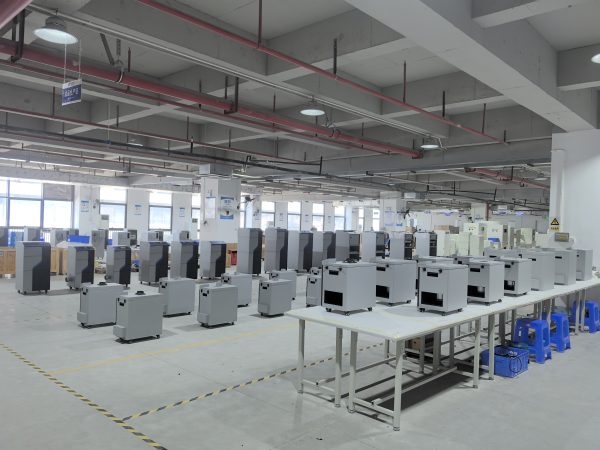
I’ll be blunt. I want to pull apart the claims, the tech specs, and the real shop-floor wins. I’ll use short examples and direct comparisons. You’ll see terms like edge computing nodes and power converters pop up, because they matter. My aim is practical: what should a manufacturer test, buy, or leave on the shelf? Let’s move from the question to the nuts and bolts—next, we zoom into where traditional approaches break down.
Hidden Flaws in Traditional Industrial Fume Extraction
First, let me set a technical frame: industrial fume extraction systems were built around capture points and big fans. That model still works in basic cases, but it fails when processes change. I see three common flaws. One: mismatched capture velocity. Two: undersized ductwork. Three: reliance on old filters that clog fast (HEPA filter changes are routine, yes, but often overdue). These failings reduce efficiency and raise maintenance costs.
Why do these flaws persist?
Here’s my take. Shops add larger blowers or more filtration because that feels like progress. But bigger isn’t always better. If the duct layout is wrong, or if you ignore sensor placement, you just move contaminants around. Look, it’s simpler than you think: align capture points with real process emissions. Use targeted sensor data, not gut calls. I say this from field visits and audits—I’ve seen sealed booths with poor exhaust that still leak smoke. That mismatch costs energy and risk. Also, pay attention to blower motors and filter life. Small choices add up.
New Technology Principles for Better Capture
What’s next? I want to explain core principles that actually change outcomes. Start with smarter sensing: sensor fusion and edge computing nodes give you real-time maps of particulate matter. That data lets you modulate blower motors and control dampers instead of running systems full tilt 24/7. Second, smarter control ties into power converters and variable-speed drives to cut energy use without losing capture. Third, system design must be modular—swap filters, re-route hoses, and change capture slots as processes evolve. These are principles, not products.
What to watch for — Practical signals
Here are three metrics I recommend when you evaluate any upgrade: 1) Effective Capture Rate — measure how much of the generated fume is captured at source, not just at the stack. 2) Energy per Mass Removed — kWh per gram of particulate captured. 3) Mean Time Between Actions — how often you touch filters or actuators. If a solution improves two of these, it’s worth testing. I say this because I’ve tried both cheap band-aids and smarter controls; the latter won most of the time. — true story.

To wrap up, I’ve walked through the problems, explained the hidden pains, and laid out principles that work. I’m not pitching hype. I want you to leave with clear tests and metrics. If you run pilots, focus on capture rate, energy, and service intervals. Those three reveal whether a system is built for the future or just patched for the present. For practical help and proven systems, check what companies like PURE-AIR are doing. I’ll be watching the results with you—curious, cautious, and ready to tweak the next plan.