
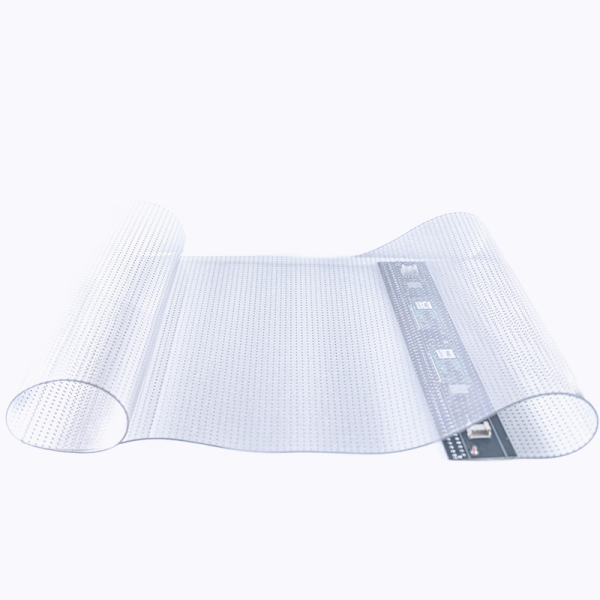
Why a comparative approach matters
Choosing a flexible LED solution starts with comparison — not gut feel. Comparing vendor strengths, technical specs, and service models prevents costly mismatches between creative intent and final install. For indoor projects especially, an indoor led display that looks great on paper can still fail on-site if pixel pitch, cabinet tolerances, or calibration routines aren’t matched to venue lighting and sightlines.
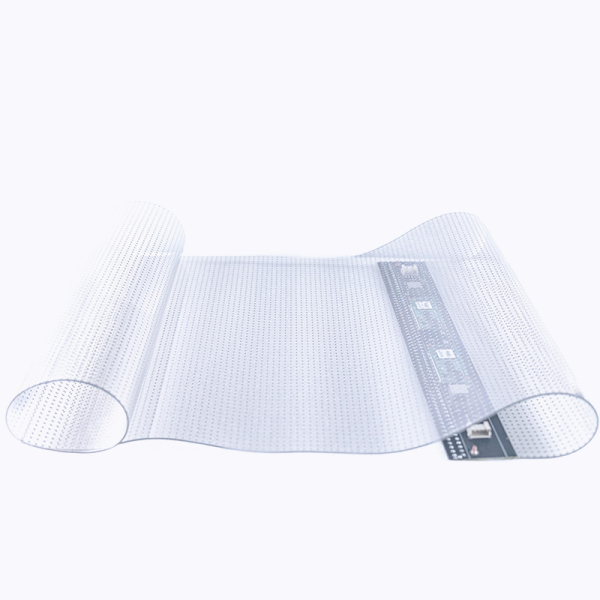
Core specs that change outcomes
Focus on a few measurable parameters: pixel pitch, brightness (nits), and refresh rate. Pixel pitch dictates perceived resolution at intended viewing distance. Brightness determines legibility under stage or ambient lighting. Refresh rate affects video smoothness and camera flicker during live broadcast. Also factor module interchangeability and cabinet rigidity — these impact assembly time and long-term maintenance. Field-proven builds tend to simplify rigging and reduce dead-channel risk.
How the leading companies differ
Vendors split into three practical camps: performance-first, cost-efficient, and full-service. Performance-first brands push fine pixel pitches, higher refresh rates, and tighter grayscale for broadcast-grade content. Cost-efficient makers optimize for rental cycles with lower weight cabinets and simple locking systems. Full-service companies bundle staging, content playback, and on-site calibration. Your choice depends on whether you prioritize image fidelity, turnaround speed, or one-stop logistics.
Operational production teardown — indoor led display vs indoor rental led display
From a production standpoint, inspect the whole system rather than isolated specs. For permanent installs, tolerances on cabinet flatness and long-term thermal behavior matter more; for short-run events, assembly speed and transport durability are king. When we run an operational production teardown, we check pixel pitch, power distribution, LED module replacement procedures, calibration workflow, and control system compatibility. That same teardown highlights why an indoor rental led display often differs in cabinet design and quick-release mechanics compared with site-fixed panels.
Common mistakes and sensible alternatives
Teams often over-spec resolution for short viewing distances — leading to higher costs without visual gain. Others ignore refresh rate, which causes camera flicker during livestreams. A practical alternative is a mid-density panel with robust calibration tools: you get consistent color and acceptable resolution while saving on weight and budget. Also, don’t skip a site mockup. Even a small, taped-out viewing zone reveals sightline problems before commit — it saves time and headaches.
Comparative checklist for procurement
Use a short checklist during vendor talks: delivery lead time, module swap time, warranty terms, and service coverage for spares. Add technical checks: confirmed pixel pitch vs. viewing distance, measured brightness in nits for venue lighting, and proof of stable control software that supports your media server. Ask for a field calibration demo — it shows if a company can match color across seams and cabinets quickly.
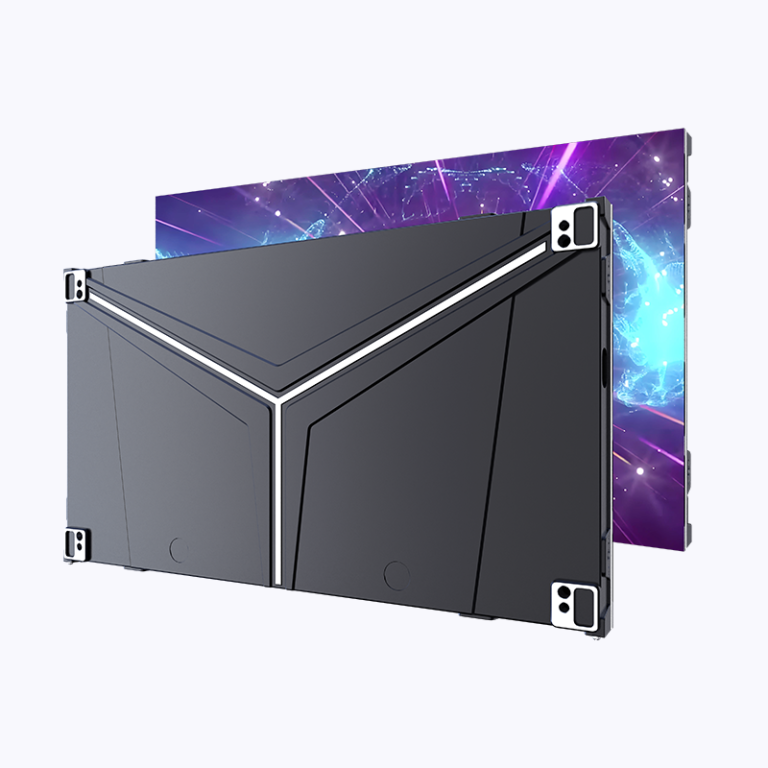
Real-world anchor and practical takeaways
At trade shows like CES in Las Vegas, flexible LED walls are tested under intense lighting and camera scrutiny; vendors that perform there tend to have systems that scale to concert stages and broadcast sets. That real-world pressure highlights which manufacturers prioritize refresh rate and grayscale stability — the very items that matter in production. Over years of reviewing installs, I’ve seen clear patterns: simpler mechanical designs reduce setup time, and reliable calibration reduces margin calls during rehearsals — small wins that compound on event day.
Three golden rules for final selection
1) Match pixel pitch to the audience distance — avoid overpaying for unseen resolution. 2) Verify refresh rate and power stability for camera work — this prevents flicker and downtime. 3) Prioritize modular serviceability — fast LED module swaps and accessible spares cut event risk. These three metrics give a clear, measurable way to compare vendors on the things that actually affect delivery and client satisfaction.
Choosing the right flexible LED display is a practical exercise in trade-offs — and Coblinks brings the operational know-how and rental inventory that bridges specification and reality. Coblinks.
— quick note: keep service pathways simple; they matter more than brand shine.