
Introduction
Have you ever wondered why a multi-million-dollar line still coughs out hazards while the numbers look fine on paper? In many plants the charts tell one story, but the shop floor tells another—and that gap costs money and safety. In automotive manufacturing welding fume extraction I see both the technical shortfalls and the balance-sheet consequences (higher OPEX, missed uptime). Recent field audits show particulate spikes at certain weld stations can raise local exposures by 30–60% during peak shifts. So: are we measuring the right things, or merely trusting legacy KPIs that flatter the budget but fail people? I want to walk you through what I’ve seen, what hurts operators, and where the real returns hide — then we’ll dig into the fixes. Next, let’s look at where current systems crack under pressure.
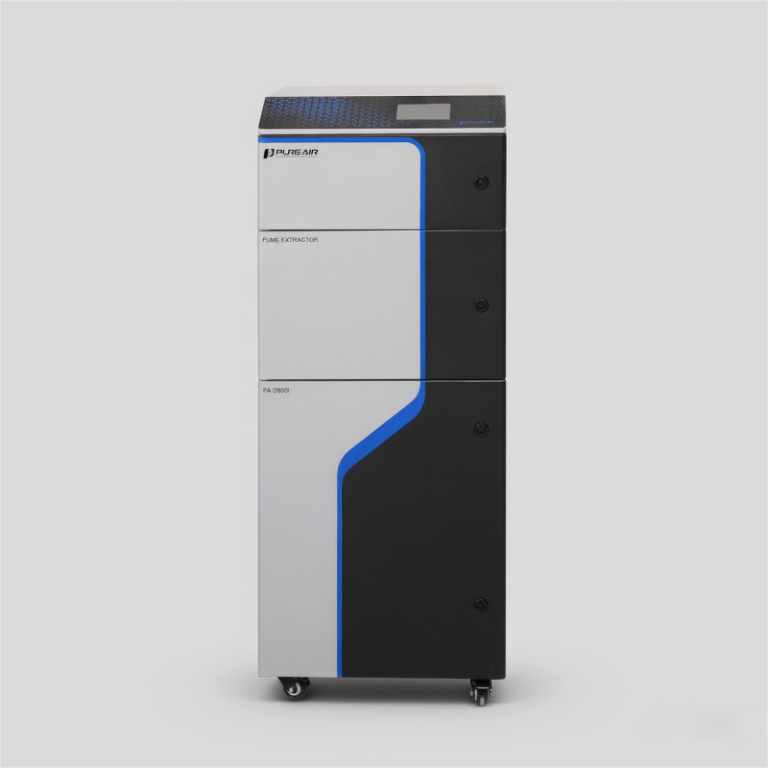
Where Traditional Systems Miss the Mark
vehicle fume extraction systems often get installed with good intent — but problems crop up fast. I’ve audited lines with extraction arms positioned like afterthoughts and with ductwork sized to past throughput, not current cycle times. The result: insufficient capture velocity at the weld arc, unstable airflow, and poor filtration routing. From my view, this is not just a design miss; it’s a planning error that shows up as increased downtime and higher filter spend. Industry terms matter here: capture velocity, HEPA class filters, and local exhaust ventilation (LEV) specifications are frequently misapplied. When LEV is underpowered, welders lean in, adjust arms, or use ad-hoc hoods — and exposure rises. Look, it’s simpler than you think: if you don’t capture at source, you’re paying to clean the whole room (and that’s expensive).
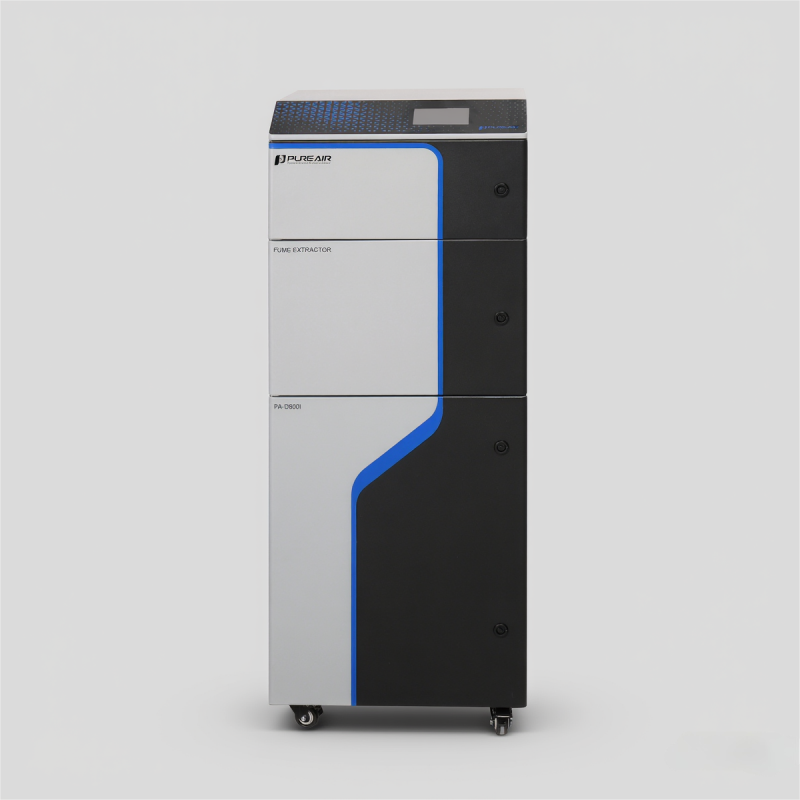
Why does this still happen?
First, many systems were sized for older production rates or lower alloy use; they weren’t planned for modern high-deposition welding. Second, procurement tends to focus on upfront CAPEX rather than lifecycle cost — so cheap inlets, undersized fans, and generic filters win the bid. Third, maintenance regimes are lax; clogged pre-filters and neglected power converters reduce fan efficiency without obvious alarms. I’ve also seen ergonomics ignored — extraction arms mounted in ways that force repetitive strain or fiddling, which operators instinctively bypass. These are hidden user pain points: lost time, poor compliance, and growing liability. If you care about ROI and the crew’s wellbeing, those are not small issues — and they compound over months. — funny how that works, right?
New Principles for Better Extraction — What to Consider Next
Moving forward, I focus on principles rather than stickers: design for source capture, quantify performance at the arc, and price in lifecycle costs. Modern vehicle fume extraction systems use modular capture hoods, smart extraction arms, and variable-speed drives to match airflow to weld demand. That reduces energy waste (lower OPEX) and stabilizes capture velocity where it matters. I’m excited by control-layer upgrades too: simple sensors that monitor differential pressure and particle counts provide actionable alerts before exposures spike. The tech isn’t magic; it’s sensible engineering plus data — and it changes the equation on payback. We’ve modeled payback periods shortened by better filtration efficiency and reduced rework costs — meaningful numbers for plant managers juggling CAPEX and throughput targets.
What’s Next — Principles into Practice?
Start with three evaluation metrics I use when advising teams: 1) Source capture effectiveness — measured as particle/ppm reduction at the weld position; 2) Lifecycle cost per year — CAPEX amortized plus expected filter and energy spend; 3) Maintenance touchpoints — hours per month needed for reliable operation. I recommend running a short validation trial (two to four weeks) using portable particle monitors and targeted instrumentation — you’ll learn more in that span than months of blanket assumptions. We also need to account for human factors: arm reach, control accessibility, and noise — those drive compliance. In my experience, the best wins come from small, measurable changes — reposition an arm, add a sensor, swap to a higher-efficiency filter — and then scale. For practical systems and pragmatic support, consider consultation with specialists like PURE-AIR. I’ll say this: when teams see the numbers and the people improve, that’s when budgets start to follow.