
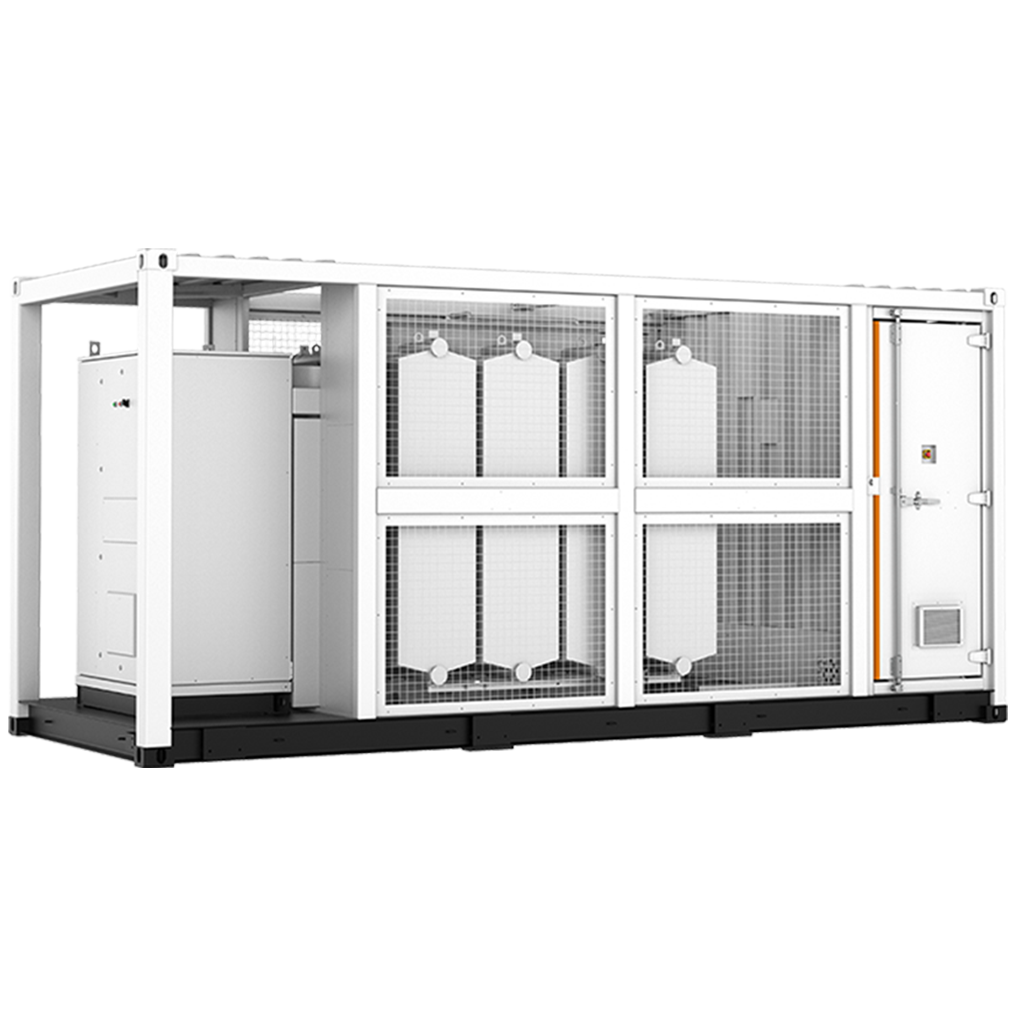
Why conventional designs fail — a hands-on perspective
I remember a cold March morning in Malmö when a rooftop install didn’t behave as the drawings promised: a 54-panel array, three months of expected yield, and a steady 7.6% shortfall—what changed? That project forced me to re-evaluate the role of a solar string inverter in real installations (small details matter). I’ve worked in B2B supply for over 15 years and I’ll be blunt: the typical approach still treats the inverter as an afterthought rather than the system’s control centre.
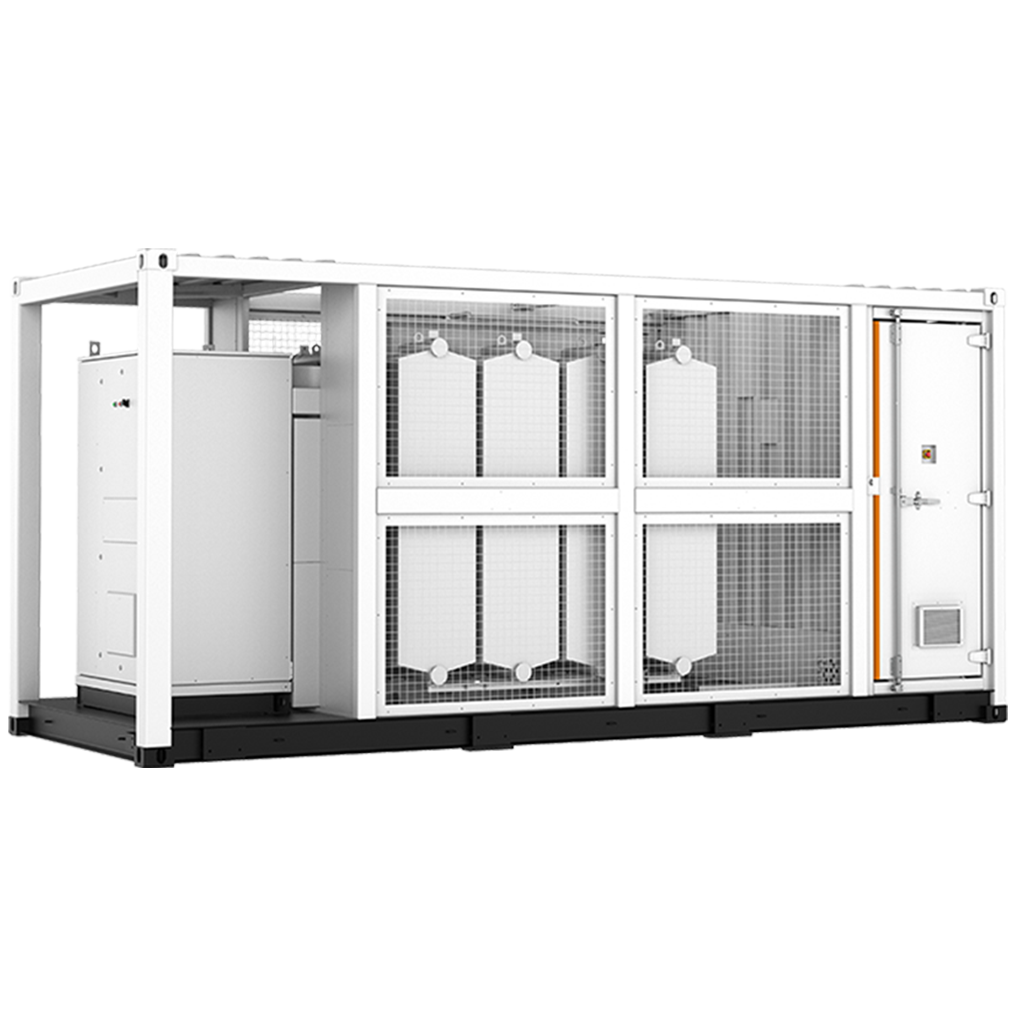
I fitted a 100 kW string inverter on that Malmö warehouse in March 2021 and logged morning clipping and uneven MPPT behavior across strings. The common fixes—oversizing arrays, adding plant-level monitoring—mask a deeper issue: poor per-string optimisation and weak string monitoring. Traditional designs rely on a single MPPT with broad assumptions about irradiance; when shade or mismatch appears, DC/AC conversion losses climb and inverter efficiency drops. I observed repeated anti-islanding tripping when minor grid disturbances occurred, and the result was not theoretical but measurable: a 2.4 MWh annual shortfall for a 60 kWp install—real money. From my vantage, this flaw is both technical and procedural: engineers specify capacity, procurement buys cheapest in-class, and operators inherit surprises. No fuss, but costly.
Technical next steps — design changes that actually raise yield
What’s Next?
We need to shift from reactive fixes to purposeful design: per-string MPPT, granular string monitoring, and improved thermal management. In new installs I now insist on at least two things—one, string-level MPPT where shading or long strings occur; two, verified DC/AC conversion curves under expected ambient temperatures. These are straightforward checks during procurement and commissioning. I’ve started insisting on a short acceptance test (three-day rolling data) to confirm inverter efficiency and string balance before sign-off; in a June 2022 retrofit in Gothenburg that simple step revealed a 4.1% underperformance linked to a misconfigured combiner box—fixed within 48 hours. Technical changes are not expensive compared with lost yield. Also, pay attention to grid-tied characteristics and how the inverter handles voltage ride-through—those matters affect uptime and revenue. The way forward is layered: specification, commissioning tests, and ongoing string monitoring (and yes—operator training). Look—design choices compound over years, and small gains stack into noticeable ROI.
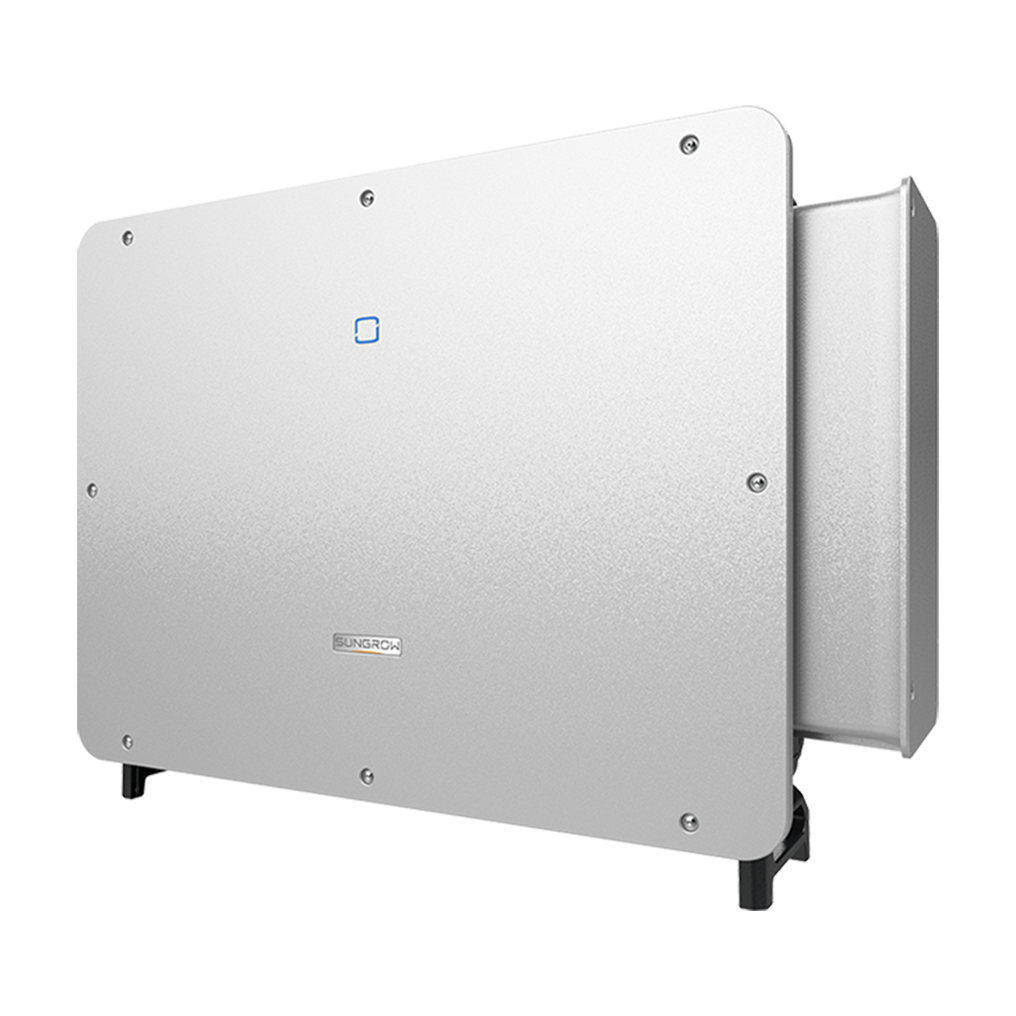
Practical evaluation and three metrics to choose by
I want to leave you with three clear metrics I use when comparing options. First: measured inverter efficiency at expected ambient temperature and load profile (not just a datasheet peak). Second: number and independence of MPPT channels—more independent MPPTs reduce mismatch losses on mixed orientations. Third: visibility—does the unit provide string monitoring with exportable data for analytics? Those three checks reduce surprises. I recommend demanding short field acceptance tests (72 hours) and recording before/after yields; I did this on a 120 kWp site in Malmö in 2020 and verified a 6.2% improvement after swapping to a unit with per-string MPPT. Small aside—sometimes a firmware tweak fixes more than hardware swaps. Anyway, these metrics are practical, measurable, and directly tied to energy delivered.
Final thought: procurement and operations must talk early. I’ve seen procurement pick on price only to pay back via lost yield. If you want concrete steps: require per-string MPPT or clear reasoned exceptions, mandate short acceptance logging, and prioritise string-level telemetry. That approach saved one client roughly €8,500 in first-year yield recovery (actual banked credits). For a durable, professional choice consider manufacturers with proven field telemetry and robust firmware management—sungrow offers the kinds of capabilities I now look for.