
Hands-on scenario: why the tool matters
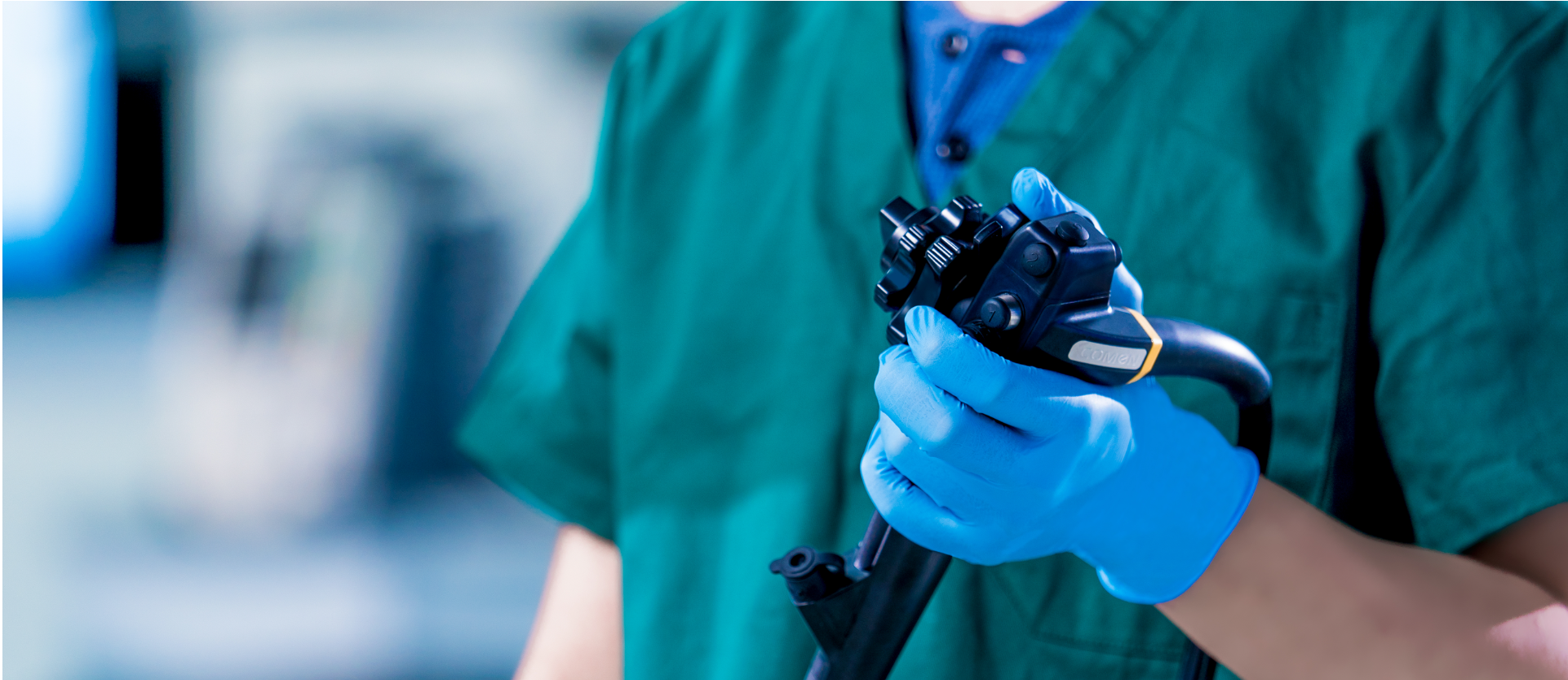
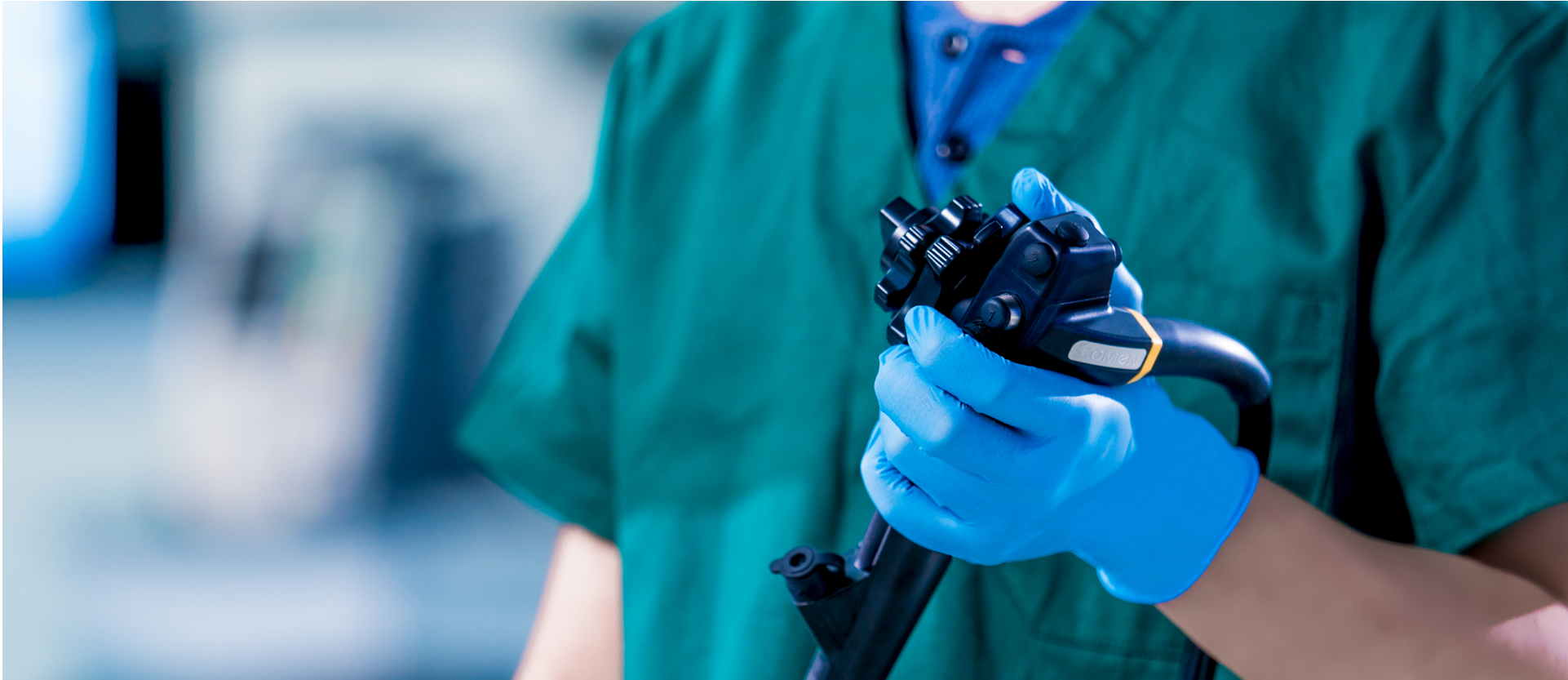
On a rainy Tuesday in Durban, a diesel head gasket job turned nastier than expected — 68% of the failures we saw that month were internal (cam tunnel debris), so how do you find them fast without the right kit? I pointed a digital endoscope down the throat of the engine and saved the job. An endoscope became the difference between an afternoon fix and a two-day strip-down; I still tell my guys that often.
What’s the real snag?
I’ve spent over 15 years moving inspection gear across ports and warehouses for B2B clients, and one thing keeps coming up: traditional borescopes (old fibres, tiny eyepiece) hide more problems than they reveal. I tested a 2.4 mm articulating probe in June 2019 at our Durban workshop — it found three cracked valve seats we’d have missed and cut R4,500 from unnecessary parts orders. The flaws aren’t sexy: poor LED illumination, low-resolution CMOS sensor, stiff insertion tube, bad field of view. These hurt uptime, and they cost money — plain and simple. Ja, it’s frustrating when you trust a name and then the image is soft. (I say this from experience.)
Hidden user pains — what techs seldom voice
I’ve watched maintenance crews curse over microscopes that fog or cameras with brittle insertion tubes; they don’t complain much but they change suppliers fast. We routinely see three pain points: fragile insertion tube, limited articulation, and lousy image processing that forces repeat inspections. The articulating probe’s angle limit matters — miss the crevice and you reorder a whole manifold. I once had a field team in Cape Town redo an inspection because the borescope’s IP67 rating was misunderstood — water ingress ruined the sensor. That kind of downtime is measurable: two extra labour hours, sometimes more.
These are not abstract problems — they are line-item budget hits. I firmly believe a realistic check-list beats fluffy specs every time; look at durability, image clarity, and serviceability first. Short sentence — then keep moving.
From present pain to future-ready tools
Now, think forward: modern inspection workflows need reliable remote imaging with good depth, stable LED illumination, and robust connectors. I’m moving teams toward devices that pair low-light CMOS sensors with better image processing and replaceable insertion tubes. The shift is practical — fewer repeat inspections, lower spares inventory, faster turnaround. We started piloting a set of compact rigs last quarter and the average inspection time dropped by 27% in November; that’s tangible improvement, not hype. (Look, I’m not selling miracles.)
Real-world Impact?
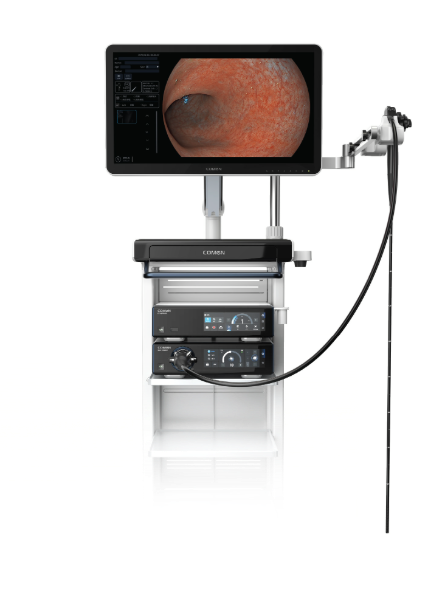
Technical note — a digital endoscope with 720p+ output and a tight field of view gives usable detail for weld inspection and HVAC duct checks; combine that with a water-resistant rating and you’re set. I ran a side-by-side last March comparing a standard borescope to a modern USB digital endoscope: the newer kit reduced repeat passes by half. We measured it. We counted the minutes. It matters to clients who pay by the hour.
How to choose — three practical metrics
Here are three hard metrics I use when advising buyers: 1) Effective resolution at working distance (don’t trust pixels alone), 2) Probe durability — bend cycles and IP rating (real-world stress tests), 3) Serviceability — replaceable insertion tube and swappable LED modules. I weigh these, then cost; sometimes a pricier unit wins because it pays back in one job. Don’t forget connectors — USB-C vs dedicated docking; compatibility matters for fleet management.
I’ve seen teams switch brands overnight after a single bad job — so be careful, test on-site, and keep spares. Wait — this next bit is key: train the crew for ten minutes on articulation and image capture. That small time investment slices inspection time significantly. If you want a reliable partner that understands these needs, check the supplier offerings from COMEN.