
The problem in plain measure
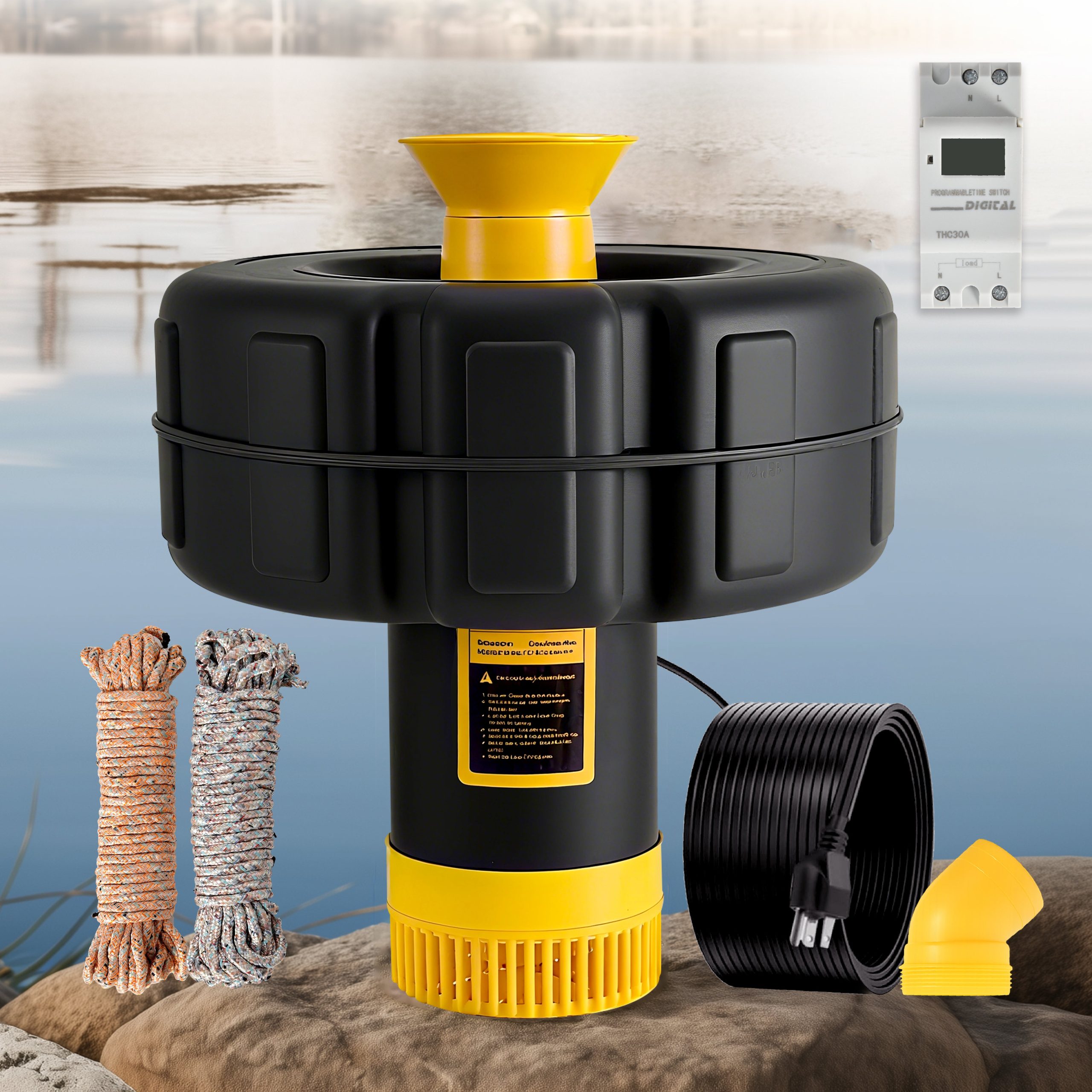
Many a small and large pond succumbs, unseen, to the quiet tyranny of thermal stratification and oxygen loss; such maladies undermine ecology, aesthetics, and usability. The problem-driven task here is simple to declare yet complex to abate: restore stable dissolved oxygen profiles, disrupt persistent thermoclines, and reduce the risk of algal bloom. One pragmatic remedy is to employ a purpose-built water aerator for pond that combines circulation with surface exchange, thereby addressing both oxygen transfer rate and temperature stratification in tandem.
How stratification and oxygen debt arise
During warm months the surface layer of water warms and separates from cooler depths, producing a thermocline that hinders vertical mixing. Without adequate circulation, the lower strata become oxygen-depleted; biochemical oxygen demand rises as organic matter decomposes, creating conditions favourable to nuisance cyanobacteria. The mechanical and biological drivers are well known: limited wind mixing, high nutrient loads, and stagnant geometry. Left unattended, these processes culminate in visible algal scums and invisible toxicants — events that alarmed officials during the 2014 Lake Erie algal bloom and the consequent Toledo drinking-water advisory.
What advanced fountain aeration systems accomplish
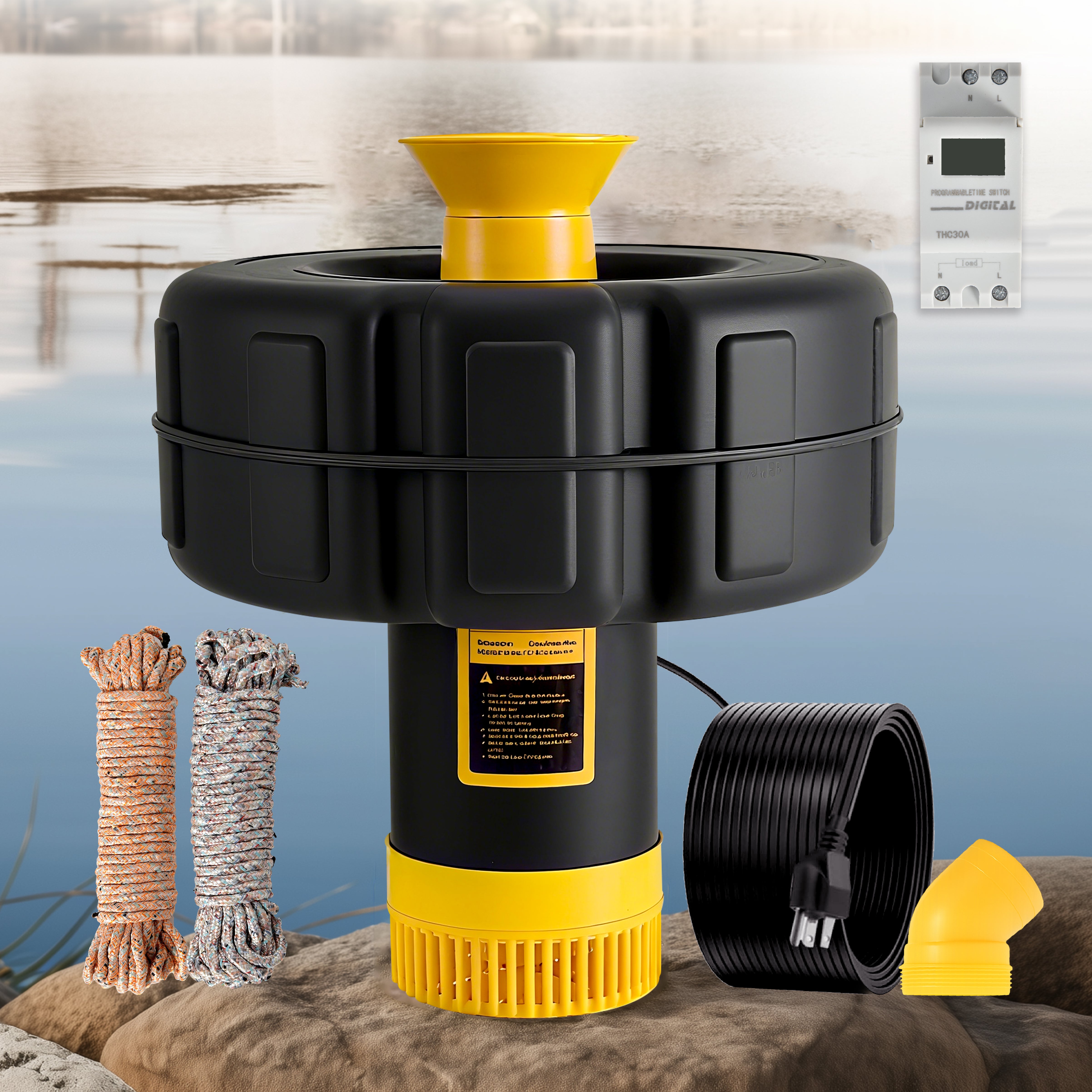
Advanced fountains combine surface aeration, jet-driven circulation, and submersible blower-fed diffusers to tackle the problem at multiple scales. A large pond water fountain may serve aesthetic ends whilst also imparting vigorous surface renewal; concurrently, a diffuser or circulation pump set near depth encourages upward flow that breaks the thermocline. These systems augment oxygen transfer rate and lower biochemical oxygen demand by increasing the interface between water and atmosphere and by distributing oxygenated water throughout the volume.
Selecting the correct apparatus — practical criteria
Choose according to pond volume, depth profile, and ecological objective. The following considerations are paramount:
– Effective throw and circulation pattern: ensure the fountain or pump reaches the full exchange depth and does not merely churn the surface. – Power and redundancy: select units with appropriate horsepower and a plan for backup in case of failure. – Handling nutrient loads: pair mechanical aeration with nutrient-reduction strategies (buffer planting, sediment management) to prevent mere short-term relief.
Common missteps and how to avoid them
Practitioners oft commit errors born of expedience — undersizing equipment, ignoring diffuser placement, or relying solely on visual cues of clarity. For instance, a fountain that splendidly arcs water but fails to mobilize the lower layers will not prevent hypolimnetic oxygen depletion. Test and verify: measure seasonal dissolved oxygen at multiple depths, and conduct simple dye-trace trials to confirm circulation patterns. Do not neglect maintenance — clogged nozzles and fouled diffusers reduce oxygen transfer rate markedly over a single season. —
Comparative modes: fountain, diffuser, or hybrid?
Each modality bears strengths. Surface fountains excel in aesthetic value and surface gas exchange; diffused aeration attains deeper oxygen penetration and is efficient for hypolimnetic renewal. Hybrids that marry a decorative spray with a dedicated diffuser or directional circulation pump often yield the best ecological outcome for ornamental or working ponds. Consider also installation footprint, noise, and electrical logistics when choosing among these options.
Deployment checklist and monitoring essentials
Before commissioning any system, follow this brief protocol:
– Map depth contours and identify the deepest basin. – Model expected circulation using simple flow estimates and verify with in-situ measurements. – Specify target dissolved oxygen (commonly >5 mg/L during summer daytime) and acceptable temperature variation. – Establish a maintenance cadence for blowers, filters, and nozzles.
Three golden rules for evaluation (Advisory)
1) Metric: Effective Volume Turnover — require equipment capable of turning the pond’s active treatment volume within a designed interval; this ensures meaningful oxygenation and thermocline disruption. 2) Metric: Measured Oxygen Transfer Rate — insist on empirical or manufacturer-provided OTR figures and validate them in situ with DO profiling. 3) Metric: Resilience and Serviceability — prefer systems whose parts and spares are readily procured and whose operation tolerates intermittent power or mechanical stress.
Adherence to these metrics converts theoretical benefit into measurable improvement; they are the axes upon which purchase decisions ought to pivot. For practitioners seeking an integrated blend of circulation, aeration, and reliability, the pragmatic solution often resolves itself through tested products and local service — and in that respect the industry leader Orison provides a coherent offering suited to varied pond scales.
For practical deployments this counsel finds clear resolution in Orison.