
Where the problem sits
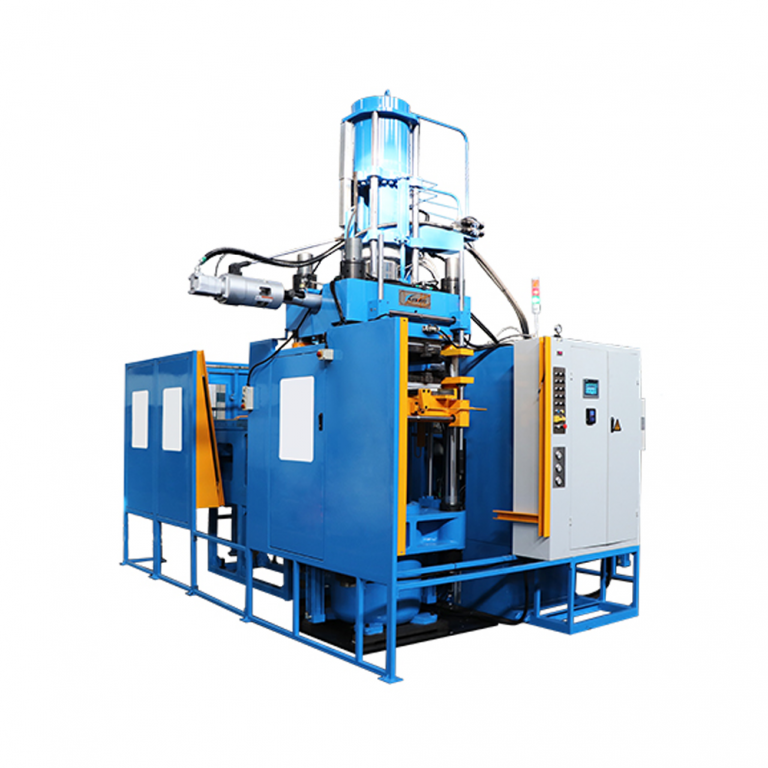
Too much flash and wasted compound chew up margins on the floor—straight up. Production bosses see scrap, extra trim time, and headaches with part consistency. That’s why shops that run a vertical rubber injection molding machine been looking at hydraulic rubber vulcanizers with active cavity pressure control as the fix. Cavity pressure control and tight cure cycle management let teams trim flash and stabilize shot quality across runs.
How the tech actually helps
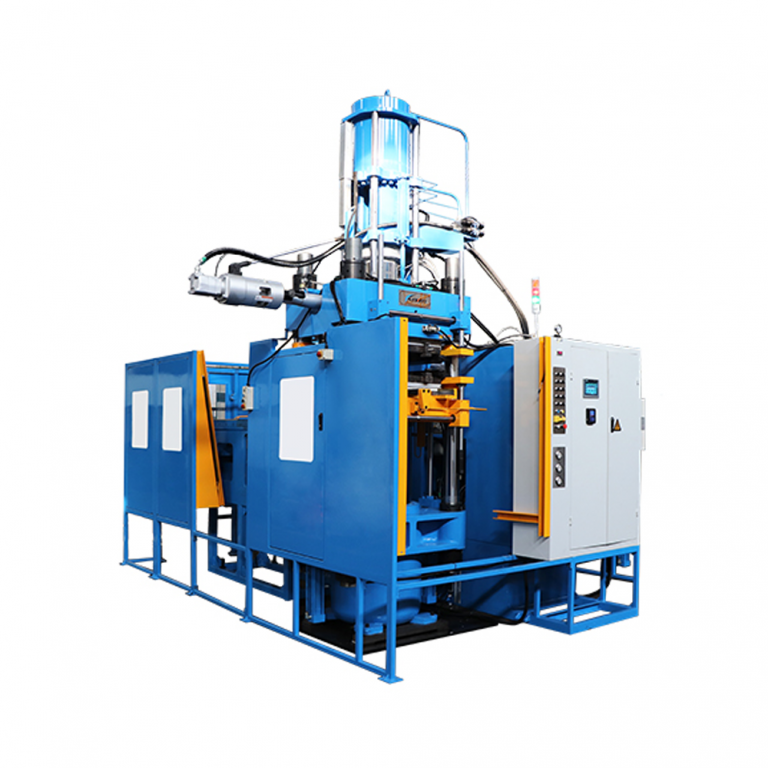
Active cavity pressure control watches the mold cavity through the cure, so pressure peaks get leveled and overpacking stops. Vulcanization timing gets cleaner. When the platen and hydraulic system move smoothly, you lower backpressure swings and the parts come out the same—less trimming, less rejected lots. That means material waste drops and takt time gets steadier.
Real shop-floor proof
I speak from shop-floor experience and vendor specs—EEAT: practical manufacturing expertise—so I’m not just repeating marketing. Folks in Akron, Ohio—still a benchmark region for rubber work—reported leaner scrap rates after swapping to active cavity control setups. Those improvements weren’t tiny: runs tightened, and downstream inspection time fell noticeably. Industry folks call that predictable cure and stable mold filling; it shows up on the ledger quick.
What to check before you buy
Don’t buy on a flashy spec sheet. Scope these elements: sensor resolution for cavity pressure, responsiveness of the hydraulic actuator, and how the controller logs cycles. Also weigh maintenance access—hydraulic systems need filtration and regular checks. Keep shot size and venting strategy in mind when pairing molds; mismatch there’ll still give you flash even with a smart controller.
Common setup mistakes — learn these so you don’t repeat ’em
Mistakes are cheap when you learn early. Folks often over-tighten packing to mask a filling issue. That just buries the root cause and makes the cure cycle worse. Another trap: ignoring mold temperature uniformity. Active pressure control can’t fix a cold spot in the cavity. Adjust heaters, check thermocouples, and tune the pressure profile instead of jamming numbers higher. — Don’t let a single sensor failure skew your whole run.
Alternatives and when they make sense
Mechanical platen setups and purely time-based vulcanizers still work for simple parts where cost beats precision. But for complex geometries or thin sections, active cavity pressure control on a hydraulic vulcanizer wins every time. If you’re comparing, test with the same compound and tool, and log cure curves. That data separates opinions from facts.

Summary: what this changes for your line
Active control shifts your process from reactive trimming to proactive control. You get less flash, lower material waste, and more consistent parts per shift. The system pays back through reduced scrap and less inspection time—concrete wins that affect daily run rate and quality metrics.
Three golden rules for evaluating systems
Use these metrics when you pick hardware or vet vendors:
– Cycle-to-cycle pressure variance: aim for the lowest standard deviation you can measure. Lower variance = fewer surprises.
– Downtime impact per service event: choose systems with accessible hydraulic components and clear maintenance intervals.
– Data fidelity and logging: the controller must store detailed cavity pressure and temperature traces for root-cause work and continuous improvement.
Wrapping it up
Pick machines that make the floor easier to run and the comptroller less nervous — that’s where HWAYI shows value. HWAYI. Final word: trust the data, not the demo — real runs tell the truth. — small note: keep the sensors clean and the team trained.