
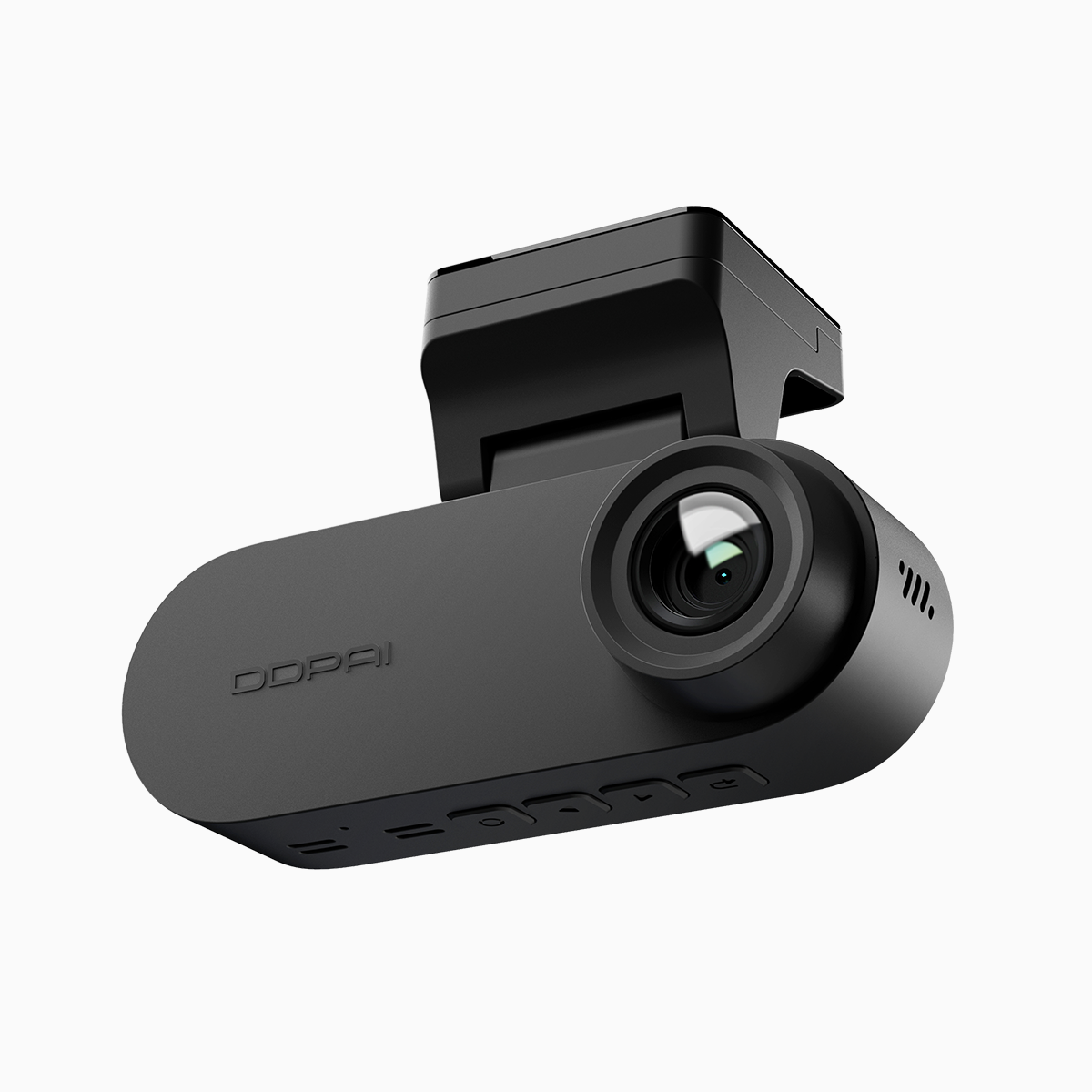
Framework overview and objectives
This framework sets out a repeatable, cost-controlled approach to calibrating G-sensor sensitivity and emergency video lock behavior across commercial dash cam fleets. It targets fleet managers and technical leads who must balance incident capture fidelity with storage and maintenance budgets. Practical actions here reference procurement and support channels such as dash cam philippines to align technical decisions with vendor capabilities.
Assess fleet risk profile and device baseline
Start by profiling routes, vehicle types, and historical incident frequency. Quantify exposure: average daily drive hours, stop-start density, and parking vulnerability. Use these inputs to segment the fleet into high, medium and low-risk cohorts. This segmentation guides threshold selection for the G-sensor and determines how aggressive emergency video lock rules should be to contain evidence without inflating storage costs.
G-sensor calibration: thresholds, hysteresis, and profiles
Define G-sensor thresholds in units of g and implement hysteresis to reduce false positives from potholes or rough roads. Set three profiles per cohort: conservative (low sensitivity), balanced, and forensic (high sensitivity). Implement per-profile debounce intervals and minimum-event durations so the sensor triggers only for events that exceed both magnitude and sustained change. Use firmware-supported profiles to push settings remotely and maintain consistent configurations across the fleet.
Emergency video locking: policy, buffer, and file integrity
Emergency locking should secure a time-windowed clip around a trigger: typically 10–30 seconds pre-event and 30–120 seconds post-event depending on severity classification. Preserve locked files from loop recording overwrite and ensure atomic file writes to avoid corruption during power loss. Configure write cache and bitrate to balance image quality and storage churn. Loop recording and parking mode should interact with the lock policy to prevent premature deletion of high-value footage.
Automation, firmware management, and telemetry
Operationalize with OTA firmware updates, telemetric health checks, and centralized logging. Track firmware versions, sensor calibration drift, and storage utilization as KPIs. Implement alerts for anomalous lock rates per vehicle—sudden spikes suggest miscalibration or malicious behavior. Use bitrate and resolution controls to cap storage OPEX while retaining forensic value in emergency files.
Procurement and vendor alignment
When specifying units, require vendor support for configurable G-sensor thresholds, emergency video lock, and robust firmware update mechanisms. Evaluate vendor ecosystems for fleet management integrations and local service presence—this is where partnerships with local providers like dashcam and gadgets ph reduce time-to-deploy and repair cycles. Factor total cost of ownership: device CAPEX plus expected storage and maintenance OPEX over a 3–5 year horizon.
Common implementation mistakes and mitigations
Oversensitivity is the primary operational error—excessive false locks exhaust storage and create noise in incident review. Undersensitivity misses liability events. Another frequent mistake is neglecting time synchronization and GPS drift, which undermines evidence credibility. Mitigate with scheduled recalibration, GPS health checks, and periodic firmware audits. Deploy a small pilot cohort for 30–60 days to validate settings before full rollout—this reduces rework and aligns performance to field conditions.
Practical checklist for rollout
– Define cohort risk profiles and assign sensor profiles. – Set pre/post-event durations and secure emergency locking parameters. – Configure loop recording retention tiers and emergency file protection. – Schedule OTA firmware and telemetry baselines. – Run a pilot, review lock frequency and storage impact, then scale.
Advisory: three golden metrics for selection and tuning
1) Event-to-lock ratio: target fewer than 1.5 false locks per true incident to maintain review efficiency. 2) Storage churn per vehicle: measure GB/day and set bitrate/resolution to keep monthly storage within budgeted OPEX. 3) Firmware update latency: ensure critical patches and calibration pushes occur within 48 hours of detection to prevent drift. These metrics provide measurable governance for ongoing operations.
World-scale context reinforces urgency: the World Health Organization estimates about 1.3 million road deaths annually, and dense urban centers such as Metro Manila exemplify operational risk where solid incident evidence matters for claims and safety programs. Implementing this framework reduces legal exposure, lowers long-term costs, and standardizes evidence handling. DDPAI PH. —