
Introduction: When Power Needs Grow Faster Than Plans
A winter storm knocks out the grid, and your site runs on fumes—machines idle, lights flicker, staff waits. An inverter can keep things steady, but only if it matches the way you actually work. The numbers say outages are rising, and peak loads are spikier than before, especially where HVAC, pumps, or elevators hit hard. So here’s the heart of it: do you need more capacity, or smarter control? And will that choice hold up when a motor starts at 5 a.m., or when the school gym lights up for a game? (Real life is messy.) We’ll use simple language, but keep the detail that matters. You’ll hear about surge windows, voltage swing, and how mixed loads behave when power is tight—funny how that works, right? The goal is practical: help you compare options with confidence, without chasing every shiny spec. Look, it’s simpler than you think. Let’s move from “what’s big” to “what actually works,” and step into the deeper issues behind those clean spec sheets—then decide what to do next.
The Deeper Problem: Why Traditional Fixes Still Fail Under Stress
Where do legacy setups fall short?
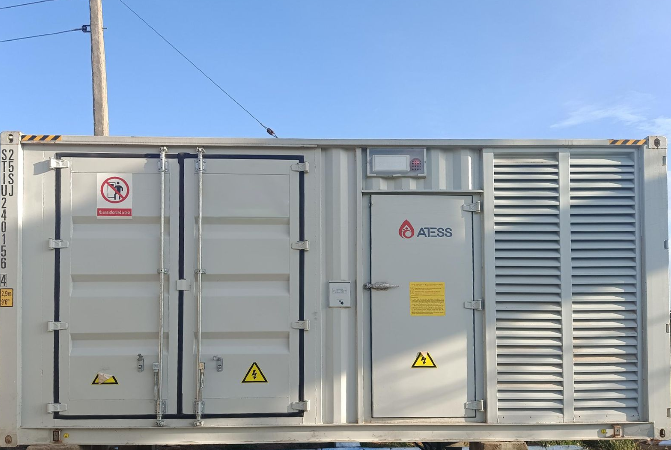
Many facilities still stitch together gensets, small solar inverters, and a patchwork of controls, then hope it holds at peak. The trouble shows up during start-up surges, not at steady state. That is why the atess 150kw inverter becomes the right lens for this discussion: it highlights where older chains run out of room. Traditional designs often ignore three quiet killers—harmonic distortion under mixed loads, limited MPPT headroom when the array runs hot, and a DC bus that sags when the pumps kick on. In plain terms, power is there, but not available in the right way, at the right millisecond. Add islanding protection and protection coordination, and the gaps widen. You see nuisance trips. You hear contactors chatter. You chase ghosts in the panel. Meanwhile, operators are left flipping breakers, not running the day. We don’t blame them; the system was never tuned for real-time spikes.
What makes this frustrating is that buyers usually compare nameplate kW and efficiency and stop. They miss surge duration, not just surge rating; they miss voltage recovery time after an event; they miss how reactive power support stabilizes motor loads. The result is oversizing—paying more for capacity that still stumbles. A solid 150 kW class machine covers the basics, yes, but the deciding factor is control depth and response speed. That’s why a well-engineered hybrid unit matters: it aligns the DC link, MPPT behavior, and grid-forming logic so the whole stack behaves like one system—not three. And yes, that reduces callouts on Monday mornings—funny how that works, right?
Comparative Outlook: Smarter Principles, Better Fit
What’s Next
Looking forward, the best gains won’t come from sheer size. They’ll come from control principles and how components talk under stress. Think of three shifts. First, adaptive MPPT that adjusts for temperature and partial shading, so the DC stage feeds a stable bus even when skies change fast. Second, fast reactive power control, which keeps motors from pulling the voltage down and upsetting neighbors on the same panel. Third, event-aware firmware that learns your load patterns and shapes the response before trouble hits—preemptive, not reactive. In that light, you might compare a high-capacity hybrid to a right-sized alternative, like a 100kw off grid inverter, when your site profile favors longer runtimes over massive peaks. Different paths, both valid. The trick is aligning power converters, protection, and storage so the system behaves like a single brain. Not many do.
Here’s how to use those principles today. If your site is surge-heavy—think pumps, chillers, or elevators—favor a platform where DC bus stability and voltage recovery time are published, not just peak kW. If your site runs steady with short bumps, a tighter design with clean low THD and strong reactive support may outperform a bulkier box. And for hybrid microgrids, weigh how the inverter coordinates with BESS and genset governors; a few milliseconds in PLL response and droop control can define whether you see a clean handoff or a brownout. In practice, this is where a 150 kW hybrid class unit can edge out a patchwork alternative—because timing and coordination make the power you already have more usable (and safer for equipment). Different sites, different wins—simple, but not always obvious.
To wrap up, choose with three metrics in mind. One, dynamic performance: measure surge support in seconds, recovery time, and voltage stability after a motor start. Two, solar-to-storage fit: MPPT range under heat and real charge control with your battery chemistry. Three, protection and visibility: anti-islanding behavior, fault coordination, and remote monitoring you will actually use. Use these, and your shortlist gets clear fast—and your Mondays get quieter. For a grounded reference point as you compare options, you can start with the architectures and specs you’ll find from Atess.