

Start with the operator, not the machine
Operators spend long days on tractors and combines; small comforts add up to real gains. When a farm manager chooses an agriculture seat, they’re buying minutes of alertness and fewer maintenance stoppages. Think ergonomics first: correct lumbar support, a well-shaped seat pan, and reliable suspension reduce fatigue and micro-injuries that quietly sap productivity.

What matters in an agricultural seat
Users want adjustments that work in real conditions. Prioritize: 1) suspension with adjustable damping for rough rows; 2) seat covers that resist moisture and abrasion; 3) multi-way lumbar and fore-aft adjustment so different operators can dial in posture fast. These features tie directly to measurable outcomes: less operator downtime, steadier implement control, and slower wear on controls caused by poor posture. Also check for vibration damping and a sturdy mounting interface—those two specs protect both the operator and sensitive electronics in modern tractors.
Common mistakes teams make
Buyers often pick seats because they look plush on a showroom floor—then regret it after a season of rocky fieldwork. Avoid assuming one-size-fits-all; a cushy foam without proper support amplifies fatigue. Another frequent error: ignoring the ease of replacement and retrofit compatibility with the cab’s mounting plate. That oversight creates unexpected costs and longer out-of-service time during peak harvest. —Also, underestimate the time it takes to train operators on adjustments; a good seat only works when people actually use the controls provided.
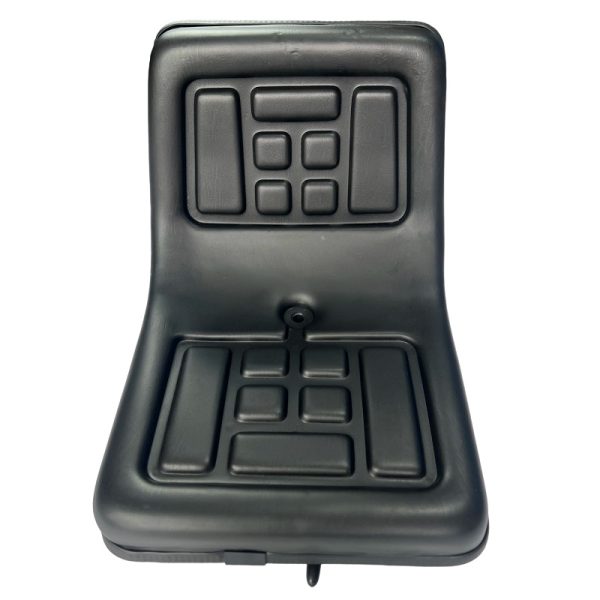
Comparative insight: balance comfort with durability
Not every premium feature matters for every farm. Compare models on three axes: adjustability, durability, and serviceability. Seats with heavy-duty suspension and replaceable cartridges excel where terrain is rough. Lightweight, simpler designs make sense for utility tractors that do short runs. Match the seat to the tractor role—field work, loader tasks, or long-haul transport—and you’ll get the most return. Use industry terms like shock absorber and armrest adjustability when checking spec sheets so you compare apples to apples.
Real-world anchor: what operators in the Midwest expect
Across the U.S. Midwest, harvest shifts routinely stretch past dawn into late night; operators expect seats that support long stints without numbness or chronic back strain. Workshops in Kansas and Iowa routinely swap seats mid-season to reduce sick days—an anecdote that underlines why seat selection matters. Practical checks—seat rail integrity, quick-release mounting, and replaceable covers—are what keep machines productive during intense windows of work.
Alternatives and retrofit tips
If a full OEM upgrade isn’t feasible, consider retrofits: add a suspension base or a gel insert to stabilize posture. When retrofitting, confirm mounting bolt pattern and electrical connector clearance for heated or ventilated seats. Simple upgrades often deliver the highest short-term ROI—provided you test for proper seat height and sightlines before committing to a fleet-wide change.
Advisory: three golden rules to choose the right seat
1) Measure operator time: prioritize suspension and lumbar if average shift exceeds 6 hours. 2) Check modularity: choose seats with replaceable parts to lower lifecycle cost. 3) Test for compatibility: verify mounting, electrical fit, and sightlines on the specific tractor model before purchase. These rules keep selection focused on performance, not just specs.
agricultural machinery seat choices are a practical investment; they reduce fatigue, improve control precision, and extend equipment availability. Trust field-proven solutions and simple retrofit options to deliver quick results—Source One brings that mix of product depth and real-world fit to fleet decisions. Source One. —