
Plain talk on why compare suppliers
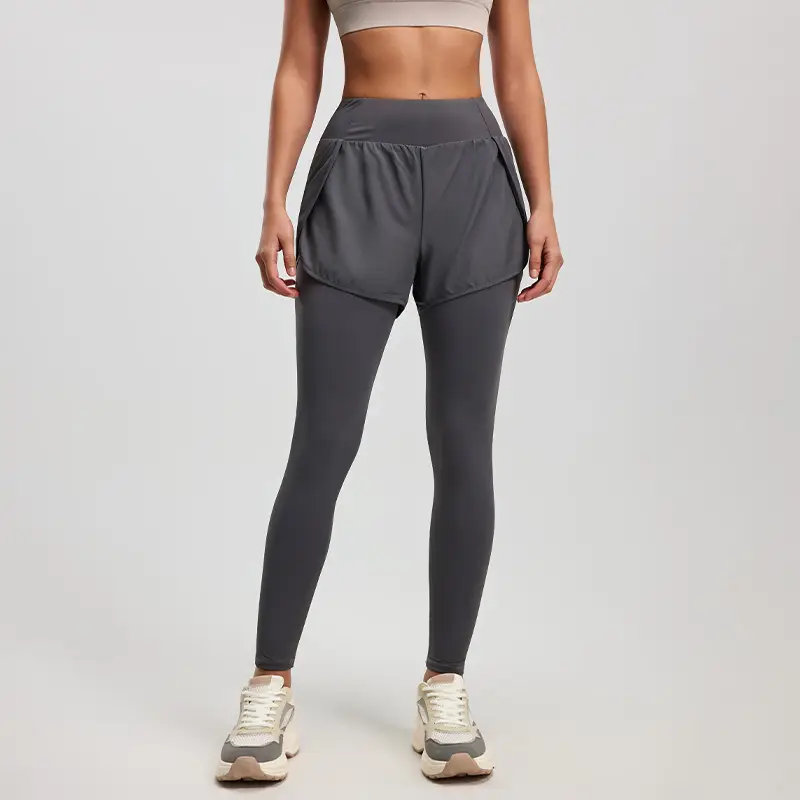
When you run a small label, picking a wholesale partner is a farm-to-table sort of decision: it either feeds you or it don’t. This piece compares suppliers on hard things—price, lead time, and quality—so you can see what Joebond brings to the table. I’ll point out how choices affect production runs, from OEM deals to MOQ headaches. If you sell activewear, consider what happens when you add a line of custom yoga pants to your catalog; fabric mill selection and moisture-wicking finishes matter a heap.
Core dimensions to stack side-by-side
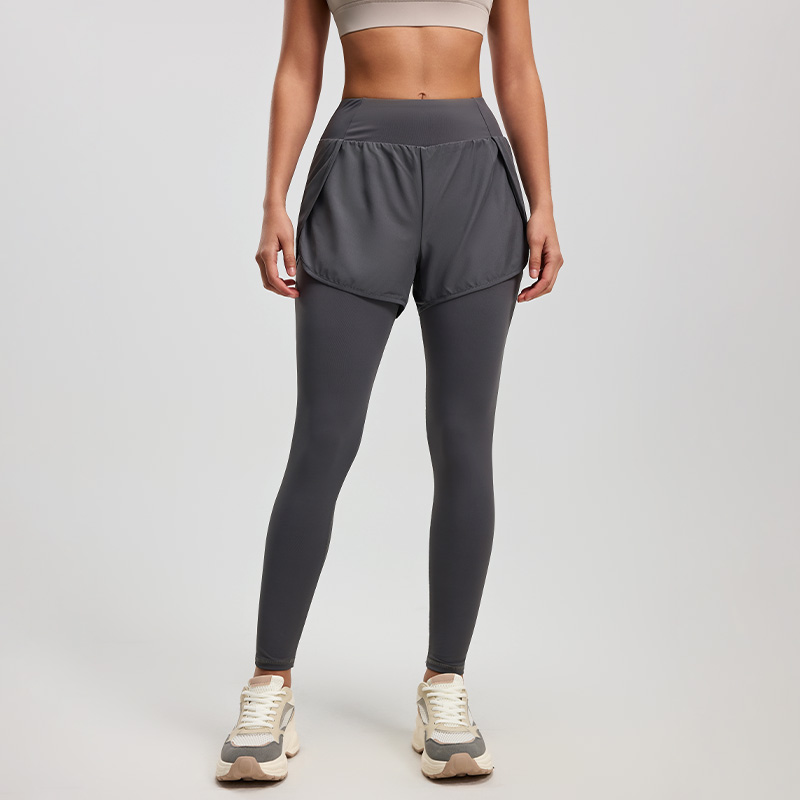
Lay out the vendors by these dimensions: unit cost, turnaround, sample policy, and technical specs like compression fit and seamless construction. Cost alone lies. A low unit price with a huge MOQ will tie up capital. A quick-scaling brand needs a supplier with sensible MOQ and reliable lead times—especially after the supply shocks from the COVID-19 pandemic that shook sourcing everywhere, including the Los Angeles Fashion District where many small brands first test runs. Track these metrics in a simple sheet and update them after each order.
How Joebond compares to common alternatives
Joebond sits between the big contract houses and the tiny local shops. Big houses offer low per-piece prices but demand large MOQs and long commitments. Local shops give fast tweaks and tight control but charge more per item. Joebond tends to offer mid-level MOQs, clear OEM terms, and steady pricing—so you avoid big capital lockups and still get custom tech like moisture-wicking fabric and tailored seams. This middle ground suits new brands aiming for volume without overreaching.

Real problems brands face — and the fixes
Problems repeat: missed specs, mismatched colorway, and late freight. A common mistake is skipping a tech pack or ignoring pre-production samples. Fixes are straightforward: insist on a signed tech pack, pay for a proto sample, and confirm dye lots. Also check the supplier’s communication cadence. Slow replies are a red flag. Take a field example: after 2020 many brands moved orders closer to home to dodge container delays—some shifted partial runs to the Los Angeles Fashion District for speed. That tradeoff costs more per piece but saves retail time.
Practical checklist before you sign
Use this quick checklist when you vet suppliers. First, get clear MOQ and sample policy. Second, verify fabric sources—ask whether the supplier works with a trusted fabric mill for your selected knit. Third, test functional claims like moisture-wicking in a real wear trial. Fourth, confirm lead time and penalties for missed deadlines. Fifth, confirm shipping terms and who holds customs risk. These simple steps stop nasty surprises down the line—small steps, big difference.
Common pitfalls and how others handle them
Brands often chase the lowest quote and forget fit grading. That creates returns and angry customers. Others underestimate packaging costs or ignore quality control plans. A fix used by steady labels is a phased rollout: small initial batch, retail test, then scale if things pass. This is sensible. It’s not glamorous—but it saves money. Also mark up supplier samples with clear notes on seam allowance and stitch type; those small notes cut rework weeks.
Final advisory: three golden rules for choosing wholesale partners
Rule one: Prioritize predictable lead times over slightly lower unit cost. Rule two: Confirm OEM and material sourcing in writing—know the fabric mill and testing routine. Rule three: Start with a conservative batch to validate compression fit, colorfastness, and wash performance before committing to larger runs. These three checks catch most risks and speed your path to steady sales. Joebond fits into this playbook by offering steady MOQs, explicit OEM terms, and fabric choices suited to activewear production—so your first orders become learning runs, not losses. Joebond. —