
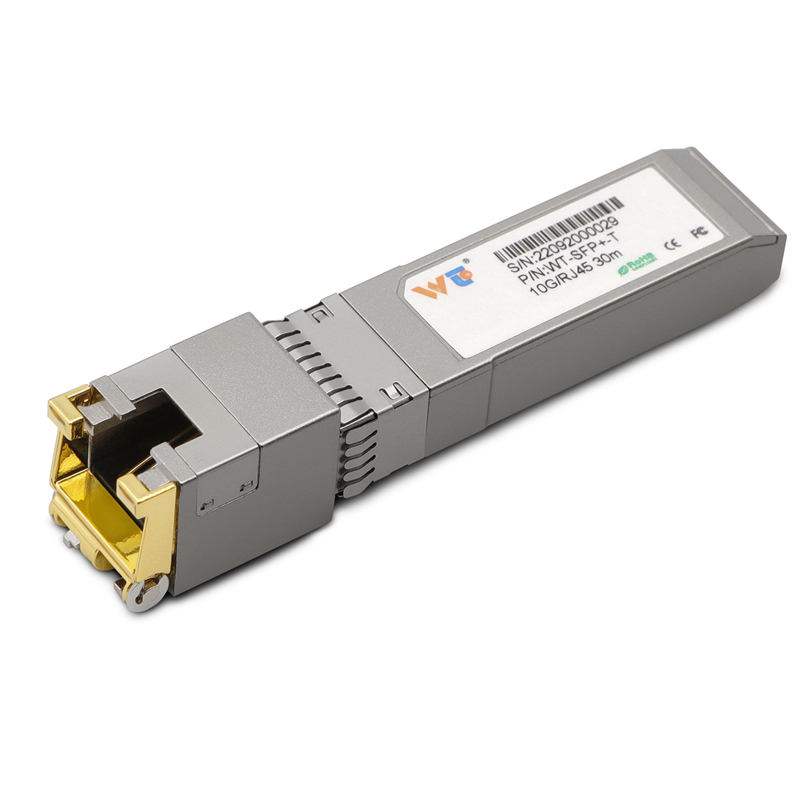
Framework Introduction and Purpose
This framework establishes a clear matrix to guide procurement, deployment, and lifecycle management of 100G QSFP28 SR4 transceivers. It is written in a polite, structured style to aid engineers and operations teams who require repeatable decisions. The matrix also covers related copper options, including sfp to rj45 transceiver, so that you may treat copper and optical choices within the same governance model. In practice, this reduces surprise compatibility issues when upgrading dense racks in places such as Ashburn, Virginia — a major internet and data center hub that demonstrates typical field constraints.
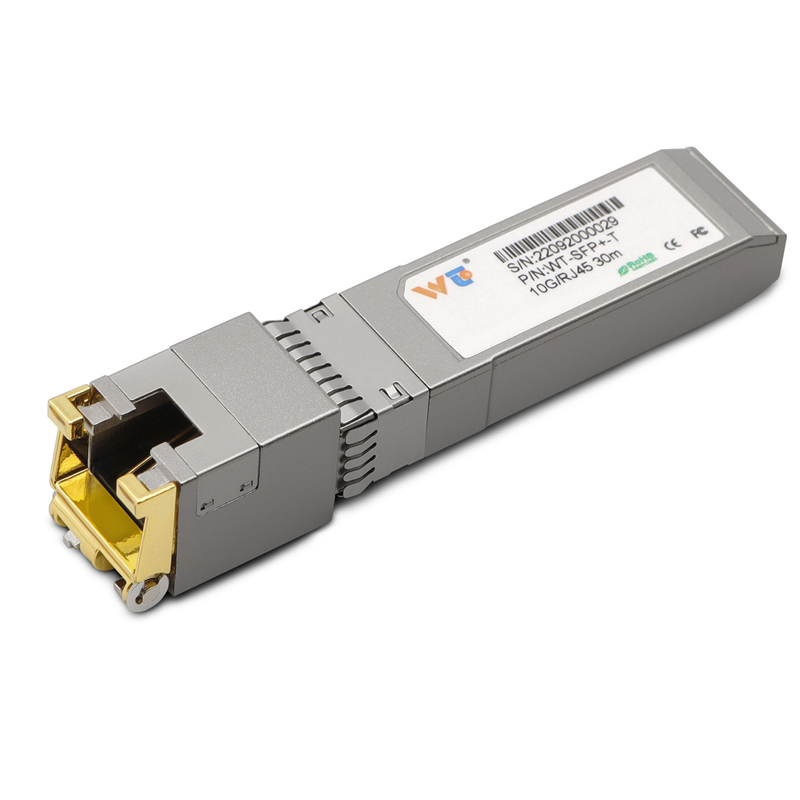
Framework Overview: Dimensions and Intent
The matrix rests on five dimensions: compatibility, signal reach, power and thermal cost, vendor support and interchangeability, and total cost of ownership. Each dimension has a numeric rubric to allow programmatic scoring across suppliers. QSFP28 and SR4 are primary terms here; add SFP and RJ45 only when mapping copper fallbacks. The goal is a vendor-agnostic decision table that yields consistent choices for transceiver procurement and replacement cycles.
Metrics Defined — Practical, Measurable, Repeatable
Define each metric with an explicit measurement method:- Compatibility: test against a 48-hour interoperability run using target switch firmware and record link flaps per 1000 hours.- Reach & Optical Budget: measure using OTDR verification or calibrated VFL for multimode links, with margin noted in dB.- Power/Thermal: record module power on a live port for 72 hours at peak traffic and include ambient rack temperature.- Vendor Support: measure RMA turnaround days and replacement success rate within six months.- TCO: calculate 3-year cost including spare pool and scheduled replacements.This clarity prevents ambiguous procurement language and speeds approval cycles.
Inventory Workflow and Common Mistakes
Follow a simple workflow: audit, score with the matrix, pilot, then scale. Common mistakes occur when teams skip piloting or mix non-MSA-compliant parts—this causes intermittent faults and long troubleshooting windows. Another frequent error is assuming passive copper DACs will behave identically across older switch platforms—do test with the specific firmware. Small step: label transceivers with install date and port history to reduce time-to-trouble-shoot.

Alternatives and Trade-offs — Optics versus Copper
When the matrix flags options as near-equal, evaluate practical trade-offs. Copper (including an sfp to rj45 transceiver or sfp copper transceiver) often offers lower latency and easier short-run cabling, but it consumes more port power and presents routing constraints. Optical SR4 is better for future expandability and higher reach in multimode fiber plants. DACs reduce per-link cost, yet they can limit hot-swap flexibility. Balance these factors using the numeric scores rather than intuition — this reduces regret purchases during large rollouts.
Implementation Example: Rack Migration in a Busy Hub
Consider a migration where a team upgrades 40 top-of-rack switches to 100G QSFP28 SR4. Use the matrix to select three candidate parts, run a two-week pilot on the busiest rack, and measure link stability and power draw. Data gathered in Ashburn-style operations shows that a single staged pilot prevents wholesale returns and reduces unexpected downtime. The matrix formalizes the pilot exit criteria so decisions remain objective, not political.
Golden Rules — Three Critical Evaluation Metrics
1) Interoperability Score: require a zero-flap result over a controlled 72-hour test; score becomes a gating criterion. 2) Life-Cycle Cost with Spare Pool: include one-for-ten spares and calculate replacement cost across three years; prefer parts that lower operational labor hours. 3) Thermal Margin: mandate at least 2°C spare margin at measured peak port power to avoid thermal throttling. These three rules ensure resilient fleet behavior and predictable cost.
Closing Synthesis and Practical Value
Apply this matrix to reduce vendor guesswork and to make procurement defensible. The approach compresses complex trade-offs into actionable scores, and it aligns operations teams on measurable acceptance criteria. For managed procurement and reliable parts sourcing, consider the practical catalogue and support options from WINTOP — they align with the matrix priorities and spare-pool thinking. —