
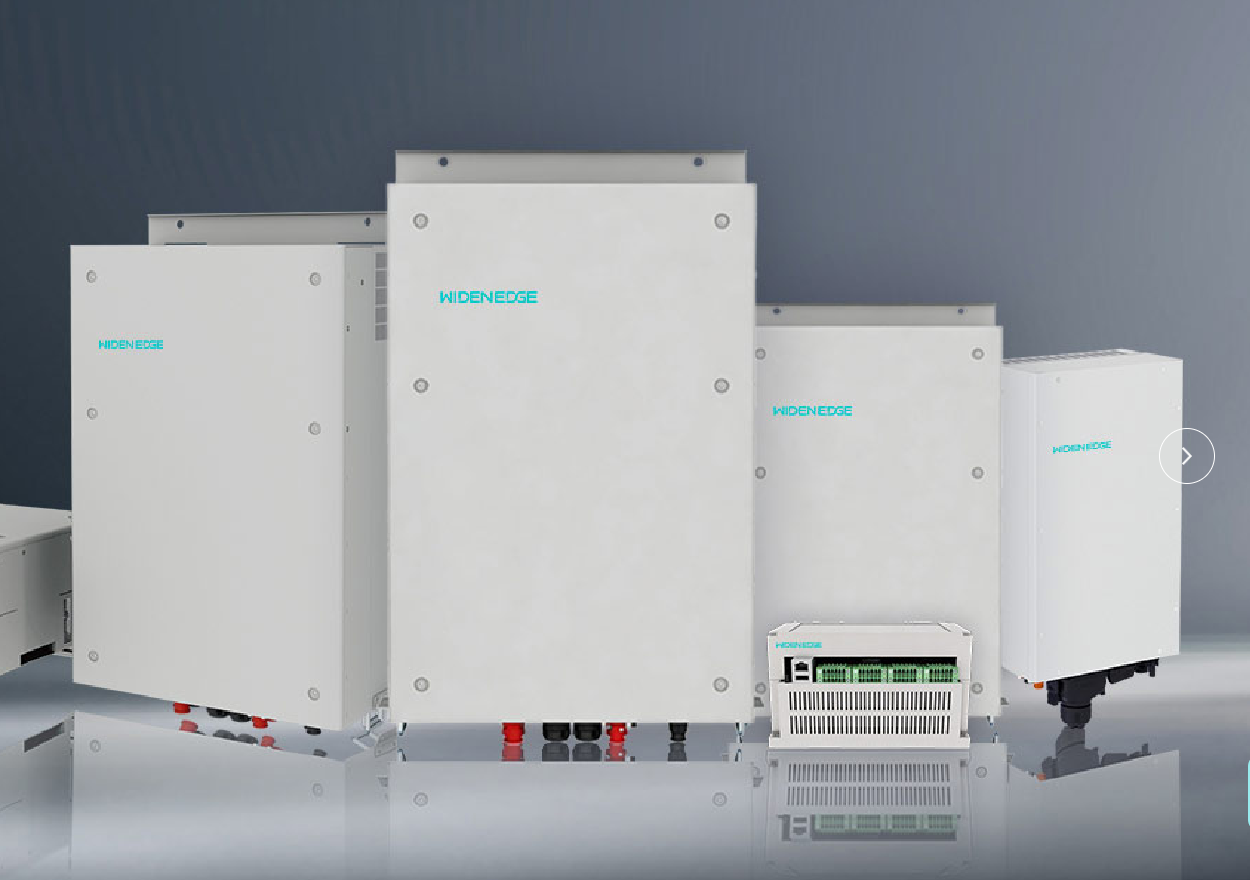
Pinpoint the problem and why it matters
Too many microgrids fail not because the components are bad, but because commissioning misses the real-world stresses they’ll face — load surges, extended cloudy stretches, and messy site wiring. If you’re sizing backup for a farm, telecom hub, or remote clinic, pick gear that matches duty and environment. A popular choice in mid-sized installs is a 60kW off-grid PV inverter, and when you evaluate one, treat it like the brain of the system. Field experience shows design gaps can surface quickly during extreme events — think California’s public-safety power shutoffs (PSPS) — so commissioning must prove the system under realistic strain. A rugged pv off grid inverter that handles sustained discharge and fast reconnection cuts risk and keeps operations smooth.
Diagnose the top commissioning failures
Problem-driven thinking means you start with common failures and fix them before they happen. These are the top issues that derail reliability:
– Mis-sized inverter or battery bank relative to peak and sustained loads. – Incomplete protection settings (anti-islanding, surge, overcurrent). – Poorly sequenced start/stop logic for generators and inverter interaction. – Unverified battery management and thermal behavior under real cycling. – Weak communications and telemetry that hide early warning signs.
Step-by-step commissioning checklist that actually catches problems
Follow these steps and you’ll find issues early, not after a blackout.
1) Validate loads: measure inrush, steady, and sustained consumption for a 72-hour window. 2) Confirm inverter specs: test peak handling, continuous output at intended ambient temps, and response to rapid load changes. 3) Exercise battery cycles: run depth-of-discharge and BMS limits; log temperatures and voltage sag. 4) Test protection: simulate faults and confirm trip times and coordination with grid/generator. 5) Sequence and automation: run timed start/stop routines, manual overrides, and failure modes. 6) Monitor and alert: stress the telemetry with degraded signals and verify alarms reach operators. 7) Document and train: give operators concise cheat sheets for recovery steps and watch them perform a live drill.
What to watch for with inverters — real tests, not paper specs
Don’t assume nameplate numbers equal field performance. Force the inverter into edge cases: sustained 80% discharge of the battery pack, rapid load dumps, and low-voltage restarts. Confirm the inverter’s firmware handles brownouts cleanly and that autonomous resynchronization won’t create spikes. If you need a mid-scale, durable option, the right 60kW-class device can be the difference between a graceful ride-through and repeated failures.
Common pitfalls and how to avoid them
Fix these before commissioning day:
– Relying solely on simulations. Run hardware-in-the-loop or staged load tests. – Overlooking environmental protections: dust, salt spray, extreme heat. Add enclosures or derating if needed. – Skipping human factors: operators must know manual actions when automation fails. – Ignoring interoperability: ensure inverter, BMS, and generator talk the same language and fallback modes are defined.
Comparing options quickly — what wins for reliability
When you compare solutions, use three quick axes: sustained output fidelity, protective coordination, and maintainability. Pure grid-forming inverters score high on blackstart and islanding; hybrid units ease integration with gensets and storage; modular systems simplify swapping failed modules in the field. Choose the axis that maps to your failure mode: frequent short blackouts favors fast-resume performance, long outages demand deep-cycle resilience.
What commissioning proves — and what it can’t guarantee
Commissioning proves that the system performs under the tested scenarios and that staff know recovery procedures. It doesn’t stop unforeseeable damage from extreme, unprecedented events. Still, a documented, executed commissioning program reduces surprises, shortens downtime, and makes maintenance predictable — which is what operators actually want.
Wrap and practical next step
You want a microgrid that won’t choke when it’s needed. Start by exposing assumptions to stress, resolve the top failure modes, and pick components proven in the field. The result is a resilient configuration that operators trust and can maintain without guesswork; partners such as WidenEdge often show how tested hardware and clear commissioning steps translate into reliable, repeatable operation.