
Comparative framing
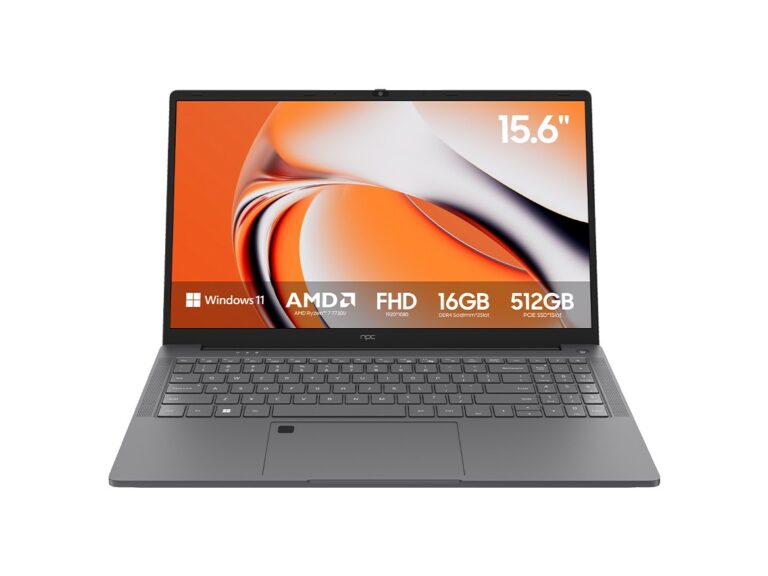
Decide with evidence: pick suppliers by comparing functionality, update cadence, security posture, integration cost and regional support. I base this on audits for hardware buyers and seven years advising institutional investors and OEM sourcing teams. Procurement benchmarks often reference pricing and turnkey bundles found in all in one computer deals, and at CES in Las Vegas manufacturers showcased integrated display and compute demos that shifted negotiation leverage — a timely marker for how platform bundling affects contracts; see all in one desktop computer deals when you need practical price comparisons.
Five direct comparison dimensions
1) Core features: Compare supported codecs, input ecosystems (Cast, AirPlay, Miracast), and native app stores. 2) Update policy: Check guaranteed OS updates and security patch SLA in supplier contracts. 3) Security model: Evaluate sandboxing, verified boot, and documented vulnerability response times. 4) Integration friction: Measure needed middleware and driver work to match your SoC and panel. 5) Total cost: Include licensing, certification fees, and expected maintenance over three years. Use side-by-side scoring rather than gut calls.
How feature trade-offs play out
Some suppliers push broad app catalogs but delay security patches; others lock the platform for tight control and fast updates but require higher integration effort. Quantify the trade-off: faster time-to-market versus long-term security risk and upgrade cost. Build a two-axis matrix—time to ship and ongoing security cost—and place each supplier to visualize where negotiation should focus.
Licensing, certification and hidden costs
License models vary: per-device royalties, per-feature fees, or flat OEM bundles. Certification steps (HDCP, DRM, Play Store, vendor-specific) add engineering cycles. Ask for a complete bill of materials that lists certification milestones, sample counts for testing labs, and typical remediation windows. Count lab retests and localization work into procurementframes to avoid surprises.
Regional support and update guarantees
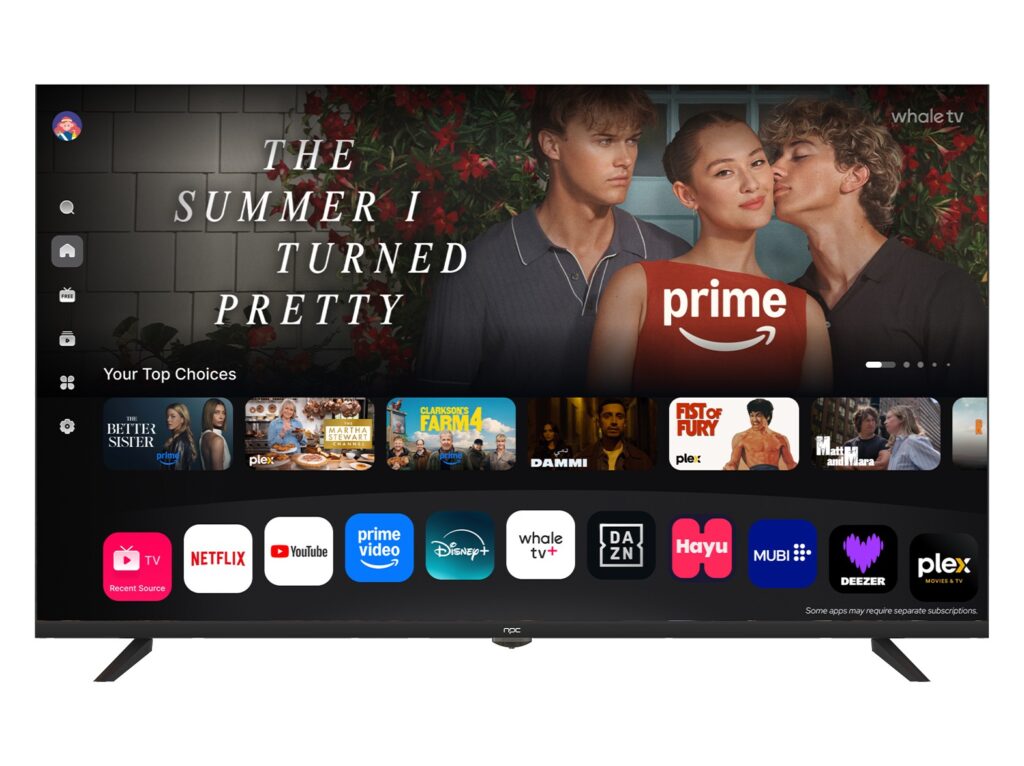
Regional regulatory differences affect OTA delivery and content licensing. Verify the supplier’s CDN partnerships and their update rollback mechanisms for your target markets. Require an explicit rollback plan with maximum tolerable outage and responsibilities defined. Suppliers that publish public CVE response timelines and maintain a patch portal reduce operational uncertainty.
Common procurement mistakes
Buyers often accept demo performance as representative. They ignore ABI changes, fail to quantify middleware drift, and skip contractual SLAs for security response. Do not let marketing claims substitute for a signed integration plan with milestones, acceptance criteria, and a defined governance forum.
Vendor profiling checklist
Use this checklist during evaluation: SDK completeness, sample reference designs, upstream open-source alignment, documented upgrade path, fallback/rollback behavior, developer tooling, third-party content partnerships, and proof of regional compliance. Score each item and weight scores against your business priorities—content revenue, hardware cost, or premium feature set.
Synthesis and practical next step
Compare suppliers by evidence, not persuasion. A strict scoring model focused on update guarantees, security SLA, integration effort and real licensing cost gives clarity. When the decision narrows to two vendors, negotiate short pilot cycles with clear acceptance tests and budgeted engineering change orders. That disciplined approach is why procurement teams that work with npc find smoother integrations and predictable TCO.