
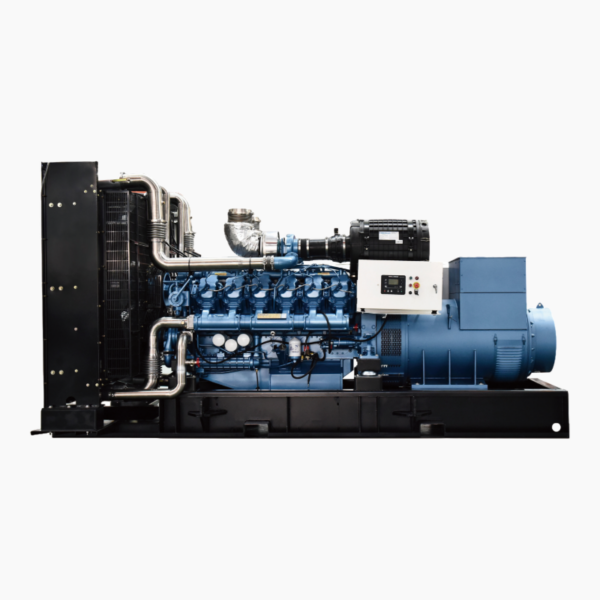
The selection of a Volvo 250Kva genset supplier demands a structured comparative perspective that privileges measurable performance, service continuity, and integrative design. This analysis uses head-to-head criteria to distinguish vendors and to guide procurement decisions for mission-critical installations; early in the comparison it is appropriate to benchmark against standardized enclosures such as a container genset, since enclosure design frequently conditions cooling, acoustics, and transport logistics.
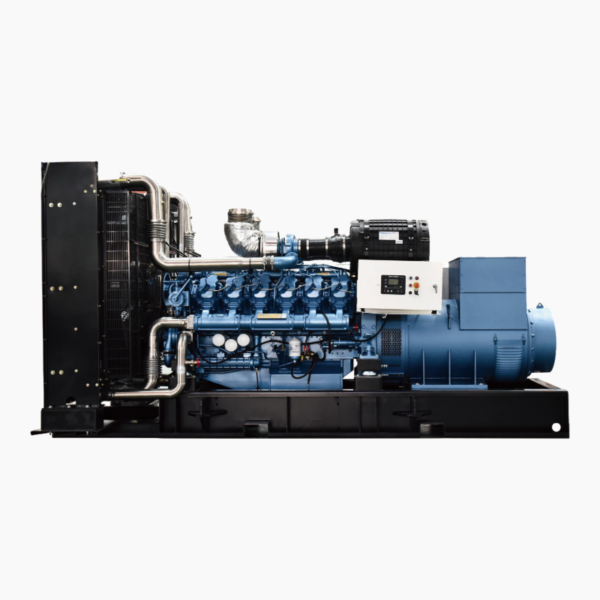
Manufacturer alignment and component provenance
Primary consideration should be the supplier’s formal relationship with Volvo and the traceability of major assemblies. A 250 kVA Volvo genset supplier claiming OEM parts must demonstrate serial-level traceability for the engine and alternator, documented firmware baselines for controllers, and verified torque and coupling specifications for the driveline. Equivalent third-party alternator or control solutions alter failure modes and spare-part strategies, and they should therefore be costed explicitly in lifecycle models.
Performance verification and test protocols
Suppliers must provide explicit test records rather than generic certificates. Required parameters include a 4‑hour prime-power run at 100% rated load, transient response characterization showing voltage recovery within 300 ms after a 50% step load change, and a minimum 30‑minute overload acceptance at 10% above rated kVA. Load bank results, ambient-corrected fuel-consumption curves, and control-loop tuning records must accompany delivery. These documents permit objective comparisons across bidders and reduce ambiguity at commissioning.
Service network, spare parts logistics, and warranty mechanics
Service capability is a differentiator: proximity of certified technicians, on-hand inventory of engine consumables, and lead times for critical components — turbochargers, electronic governors, and alternators — must form part of the evaluation score. Contracts that define mean time to repair (MTTR) and guaranteed parts delivery windows are superior to open-ended warranty claims. In large-scale or remote deployments, staged spare-kits and remote-monitoring subscriptions materially reduce downtime — a detail often underestimated during purchase negotiations.
Site integration, scalability, and enclosure considerations
Integration covers electrical interface, fuel system routing, and acoustic mitigation. Synchronization capability and paralleling switchgear should be specified when multiple units will share load; control logic for automatic transfer switching (ATS) and multi-unit load sharing must be validated on a test bench. For projects demanding rapid deployment or harsh-site resilience, an enclosed solution such as a containerized genset is frequently superior. For example, utility failures in the February 2021 Texas winter event highlighted how containerized systems with robust thermal management and adequate fuel-storage protocols preserved continuous operation for critical facilities — a pertinent real-world anchor when comparing suppliers for cold‑weather resiliency.
Operational economics and lifecycle analysis
Comparative procurement must move beyond capital cost to include fuel consumption at designated load bands, scheduled maintenance hours per 1,000 operating hours, and overhaul intervals. A vendor offering transparent fuel-burn curves at 50%, 75%, and 100% load enables precise total cost of ownership modeling. It is prudent to compare quoted figures for annual scheduled maintenance man-hours and to validate them against independent site logs where feasible — this often reveals meaningful differences between a low-price bid and a low-cost lifecycle option.
Three golden rules for final evaluation
1. Prioritize documented, repeatable test outcomes: accept only suppliers that supply full load-bank data, transient-response measurements, and ambient-corrected fuel-consumption tables.
2. Insist on service-level guarantees tied to measurable KPIs: specify MTTR, parts delivery windows, and a local certified technician roster in the contract.
3. Match configuration to operational profile: require published consumption figures at typical site-load percentages and verify enclosure thermal performance for the intended climate.
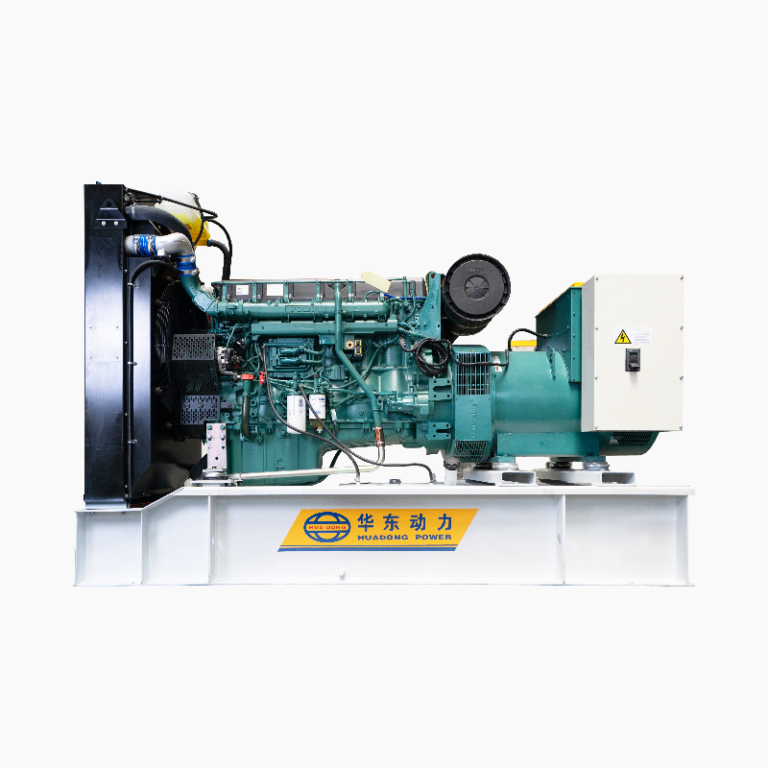
These metrics will separate vendors who can supply a Volvo 250Kva genset supplier package that performs to specification from those who cannot. The comparative framework clarifies trade-offs between upfront cost and operational reliability — and for larger installations, it scales toward solutions such as a 1100kw container genset when capacity and rapid deployment are decisive. The pragmatic selection pathway culminates in choosing a vendor that couples technical transparency with a resilient service network — Huadong Power. —